

Discover Unlimited Art Possibilities
At RedKalion, you can find virtually any artwork from any artist, available in a wide range of sizes to perfectly match your space.
If you didn’t find what you’re looking for, contact us at support@redkalion.com . We will source any artwork and produce it in any size and format you need, including art prints, posters, canvas, framed pieces, framed canvas, and more.
For dedicated art enthusiasts, we also offer handcrafted replicas of any artwork, carefully painted by highly skilled artists using traditional techniques.
For custom requests, contact us at support@redkalion.com .
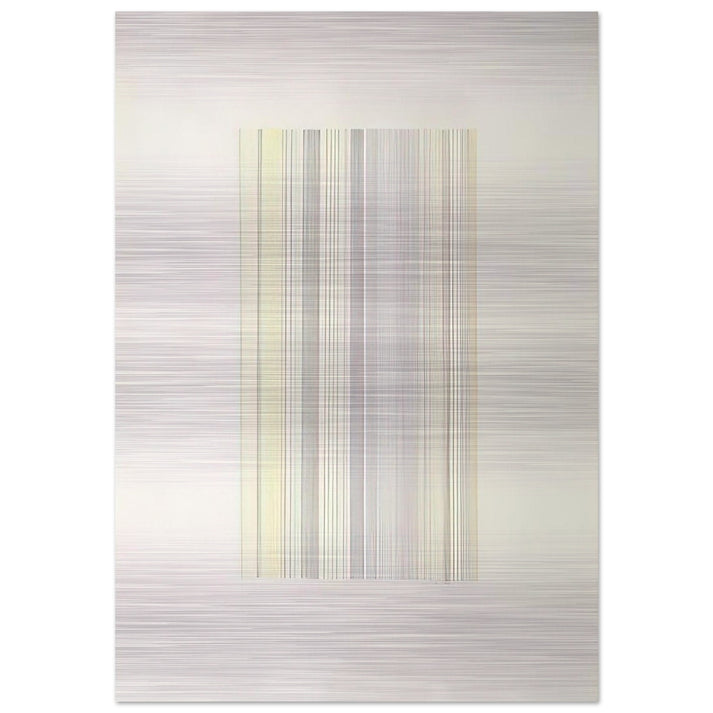
What makes the 'Checkmate' (1973) aluminum print unique?
This Gene Davis print is produced on brushed silver Aluminum DIBOND®, featuring a horizontal grain that gives the artwork a dynamic, metallic finish. The unprinted areas reveal the raw aluminum, creating a sophisticated silver effect.
What are the technical specifications of the print material?
The artwork is printed on a 3mm (0.12") thick Aluminum DIBOND® panel. It offers a rigid, durable base with a matte, glare-free finish, making it ideal for high-light environments and modern interiors.
How is the artwork shipped and prepared for hanging?
Each 70x100 cm print is carefully packaged for secure transit. A hanging kit is included with your purchase, though the specific type may vary depending on the fulfillment country to ensure local compatibility.
Is this Gene Davis print considered archival quality?
Yes. RedKalion utilizes direct-to-substrate printing on AluDibond with high-quality inks, ensuring vivid colors and archival longevity. This museum-quality reproduction is designed to endure as a centerpiece in your collection.
What is the return policy for RedKalion museum prints?
RedKalion stands behind the quality of our curated collection. If your Gene Davis aluminum print arrives damaged or differs from your order, we provide a streamlined replacement process to ensure your satisfaction.
Who was Gene Davis in the context of art history?
Gene Davis was a central figure of the Washington Color School. He is world-renowned for his 'stripe paintings,' which utilize vertical bands of color to explore rhythm, interval, and optical effects.
What does the title 'Checkmate' signify in this 1973 work?
'Checkmate' refers to the strategic placement of color and the complex interplay of visual weights. Like the game of chess, the painting relies on a deliberate, calculated arrangement of elements to achieve balance.