Discover Unlimited Art Possibilities
At RedKalion, you can find virtually any artwork from any artist, available in a wide range of sizes to perfectly match your space.
If you didn’t find what you’re looking for, contact us at support@redkalion.com . We will source any artwork and produce it in any size and format you need, including art prints, posters, canvas, framed pieces, framed canvas, and more.
For dedicated art enthusiasts, we also offer handcrafted replicas of any artwork, carefully painted by highly skilled artists using traditional techniques.
For custom requests, contact us at support@redkalion.com .
What are the dimensions of this Henri Matisse fine art print?
This museum-quality reproduction measures 75x100 cm, which is equivalent to 30x40 inches, perfect for a statement wall display.
What type of paper is used for this archival print?
It is printed on our premium Master's Edition archival paper, an FSC-certified, acid-free (pH above 7), 250 gsm matte paper that ensures longevity and a luxurious texture.
How is this Matisse study shipped and is there a minimum order?
We print and ship all orders on demand with no minimums, using careful packaging to protect your fine art poster during transit.
Will this print fade or yellow over time?
No, the acid-free, archival-quality paper prevents yellowing, and our pigment-based inks are designed for fade resistance, making this a durable art reproduction.
What is the significance of this 1905 study by Henri Matisse?
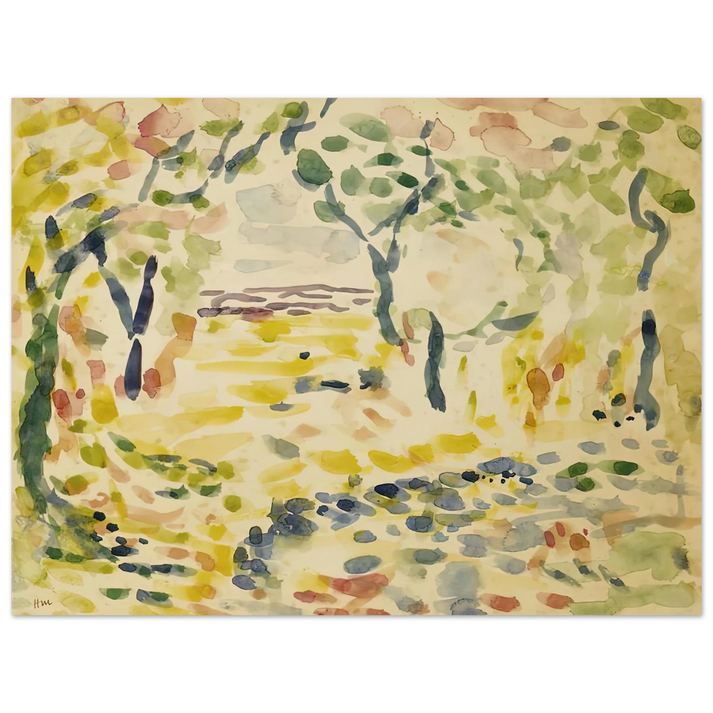
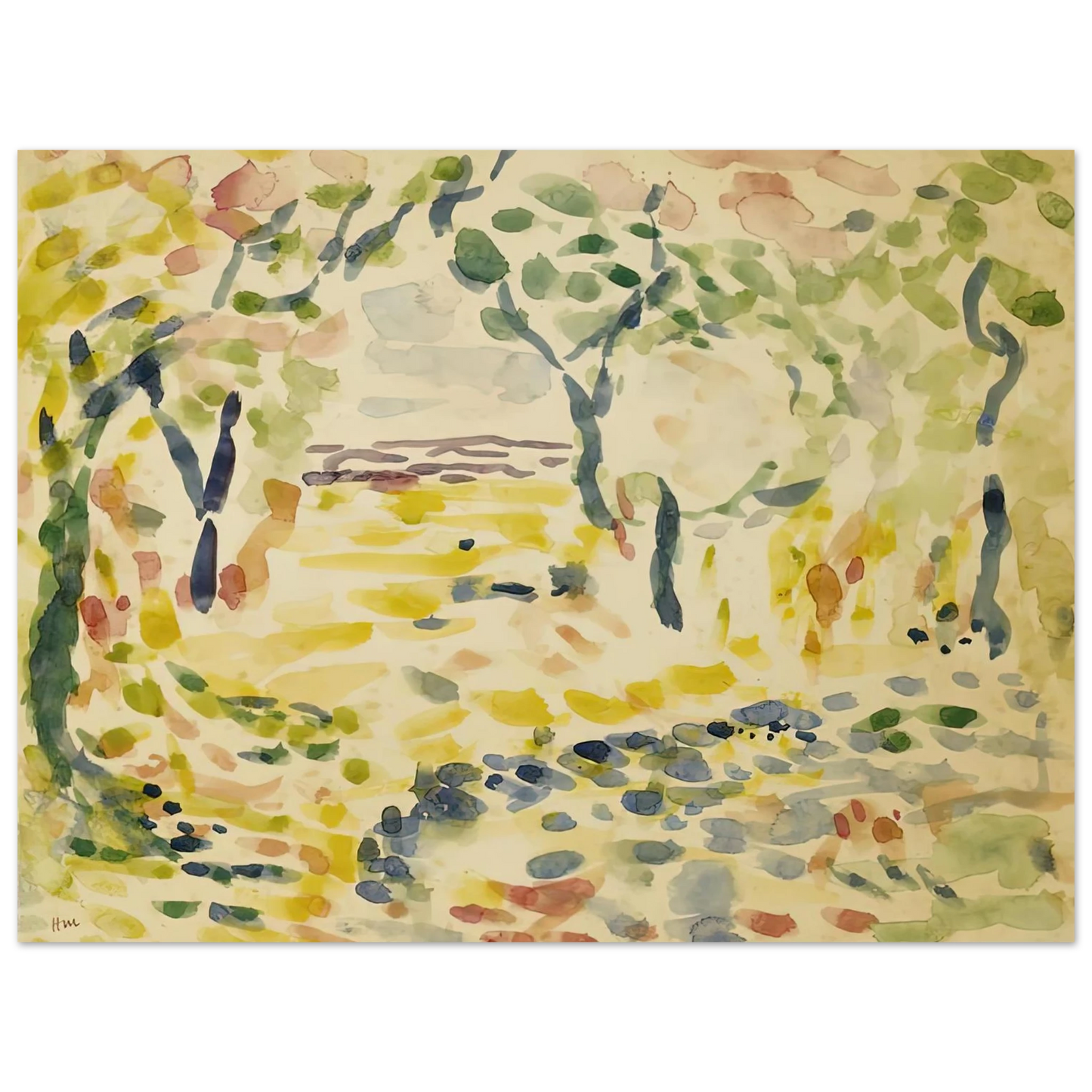
This study is a key preparatory work for Matisse's masterpiece Le Bonheur de Vivre, showcasing his transition to Fauvism with fluid figures and expressive composition that capture pastoral joy.
How does the matte finish enhance this art print?
The uncoated matte finish on our natural white paper reduces glare and provides a tactile, gallery-like feel that complements Matisse's original artistic vision.
Can I learn more about the Fauvist movement from this print?
Yes, this study exemplifies early Fauvist traits, such as simplified forms and emotional expression, making it an educational piece for understanding modern art history.