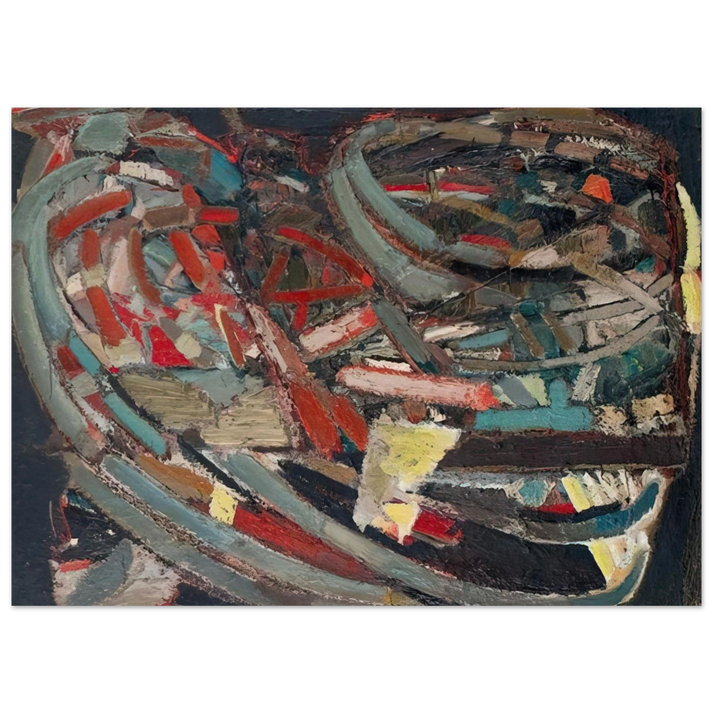
What is the historical significance of Nicolas de Staël's Composition (1947)?
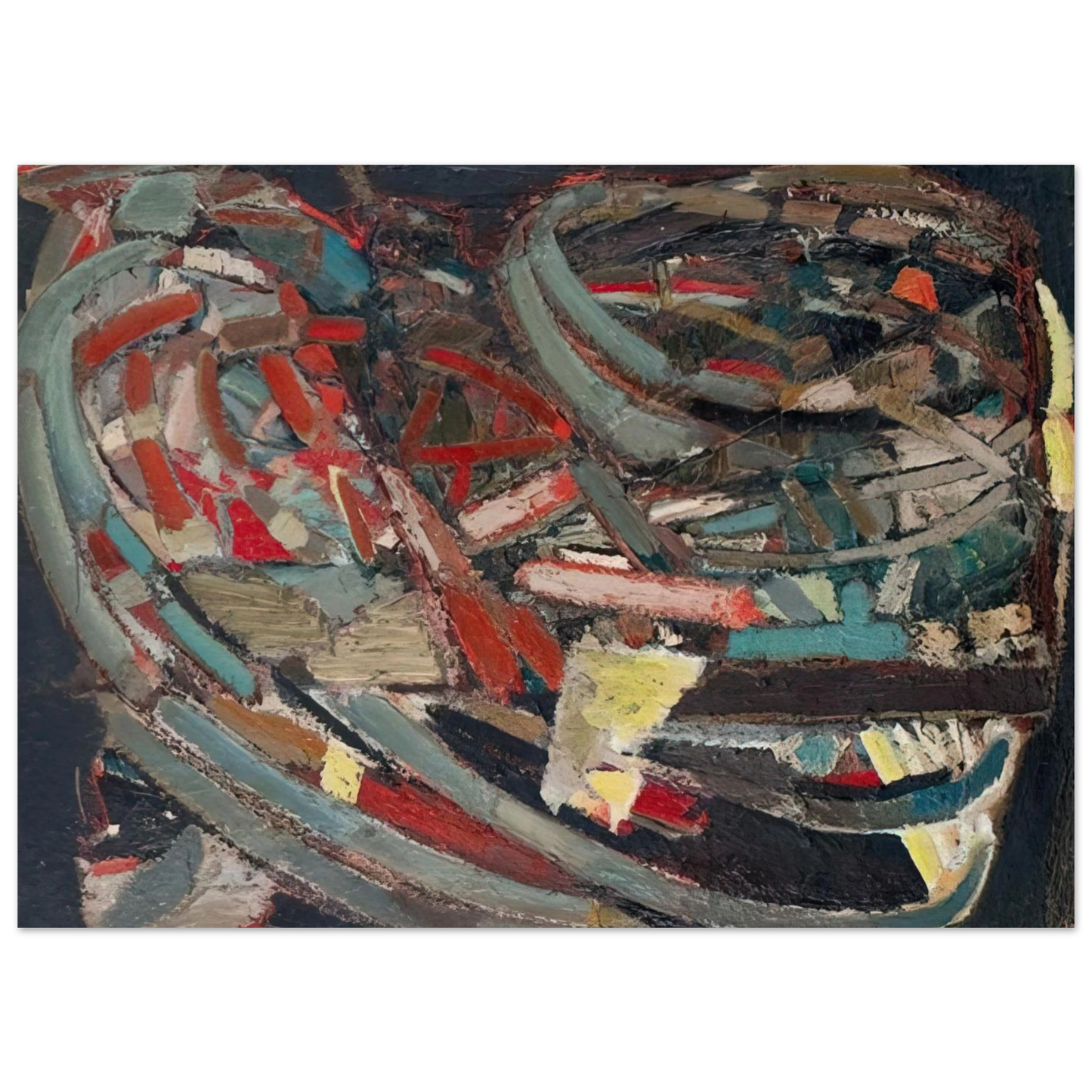
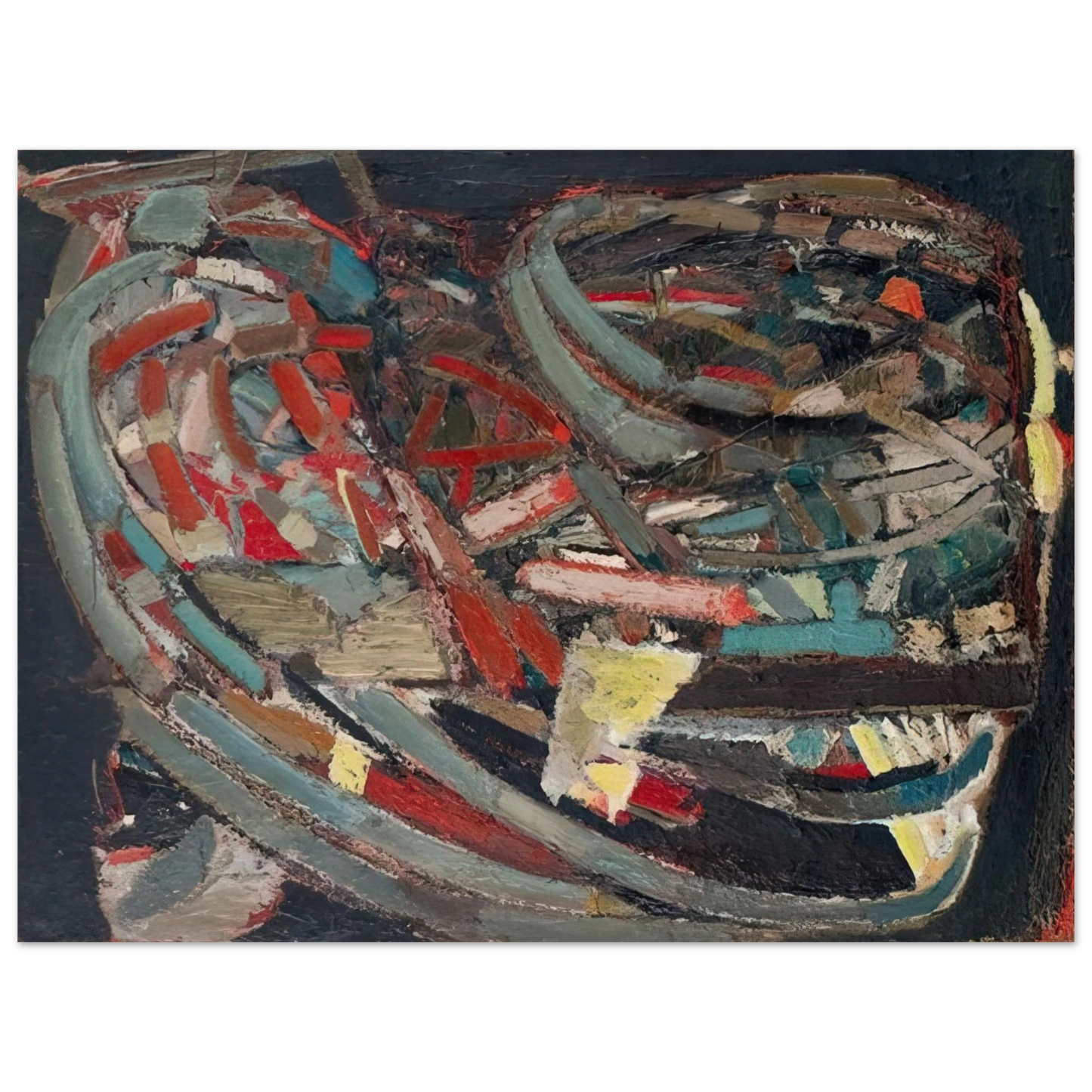
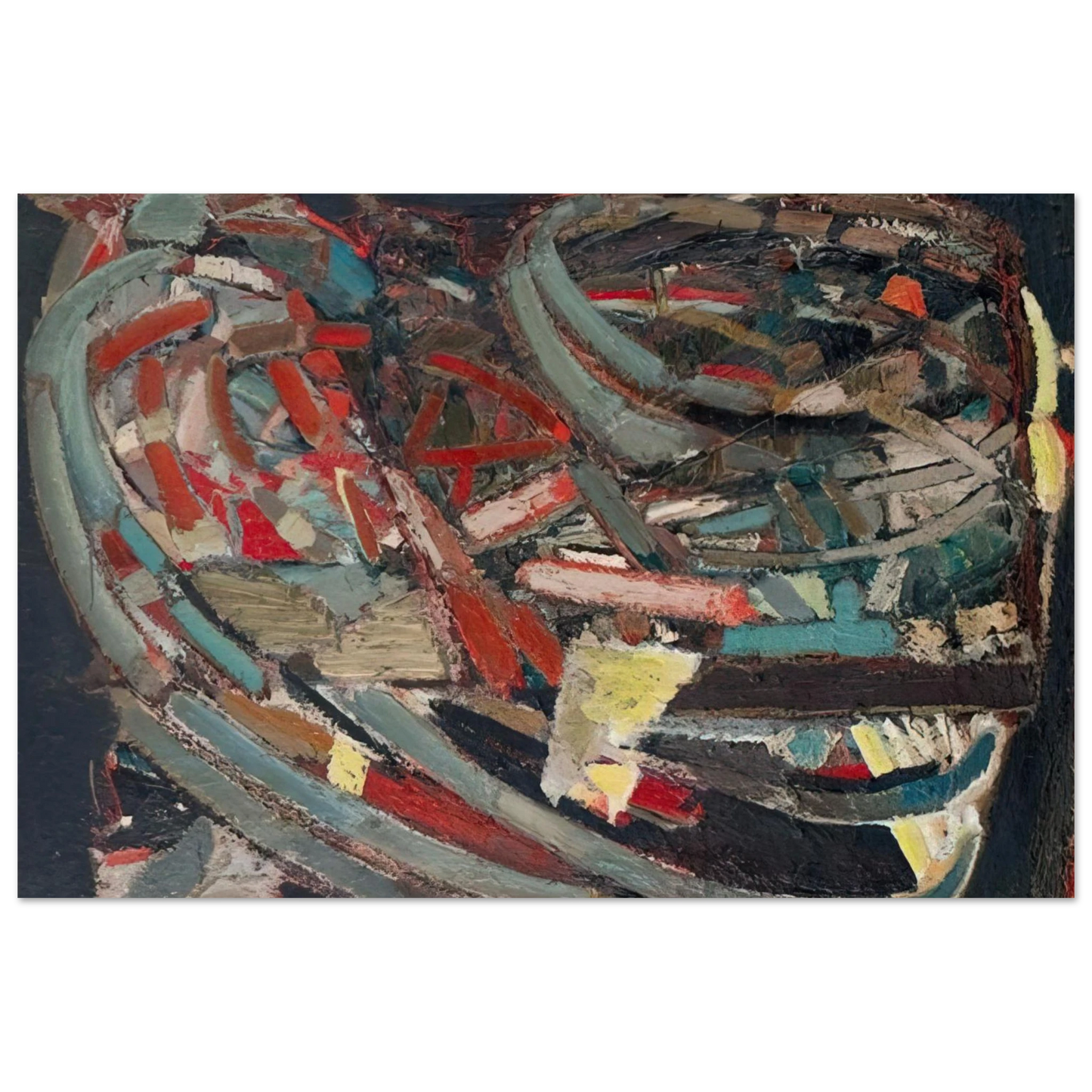
Composition (1947) is a key work from de Staël's early abstract period, showcasing his transition from figurative to non-representational art with thick impasto and vibrant colors that influenced post-war European abstraction.
What details make this fine art print museum-quality?
This museum-quality reproduction uses Master's Edition archival paper with a matte finish and acid-free properties to prevent yellowing, ensuring it matches gallery standards for longevity and color fidelity.
Can you describe the paper specifications for this archival print?
The print features 250 gsm (110 lb) FSC-certified paper with a 0.29 mm thickness and natural white matte finish, offering a luxurious texture and durable, acid-free construction for long-term display.
How is this fine art poster shipped and what are the ordering terms?
We print and ship on demand with no minimum orders, ensuring fast fulfillment and careful packaging to deliver your museum-quality reproduction safely to your doorstep.
How does the acid-free paper ensure the print's archival longevity?
With a pH above 7, the acid-free paper prevents yellowing and degradation over time, making this fine art print a lasting investment for collectors and art enthusiasts.
What artistic techniques did de Staël use in Composition (1947)?
De Staël employed thick impasto layering and bold color contrasts to create textured, abstract forms that convey emotional intensity and a sense of movement in this composition.
Why is the matte finish preferred for this abstract art reproduction?
The matte, uncoated finish reduces glare and enhances the tactile quality, closely replicating the original painting's texture and providing an authentic viewing experience for this abstract print.