Skip to product information
1 of 1

RedKalion

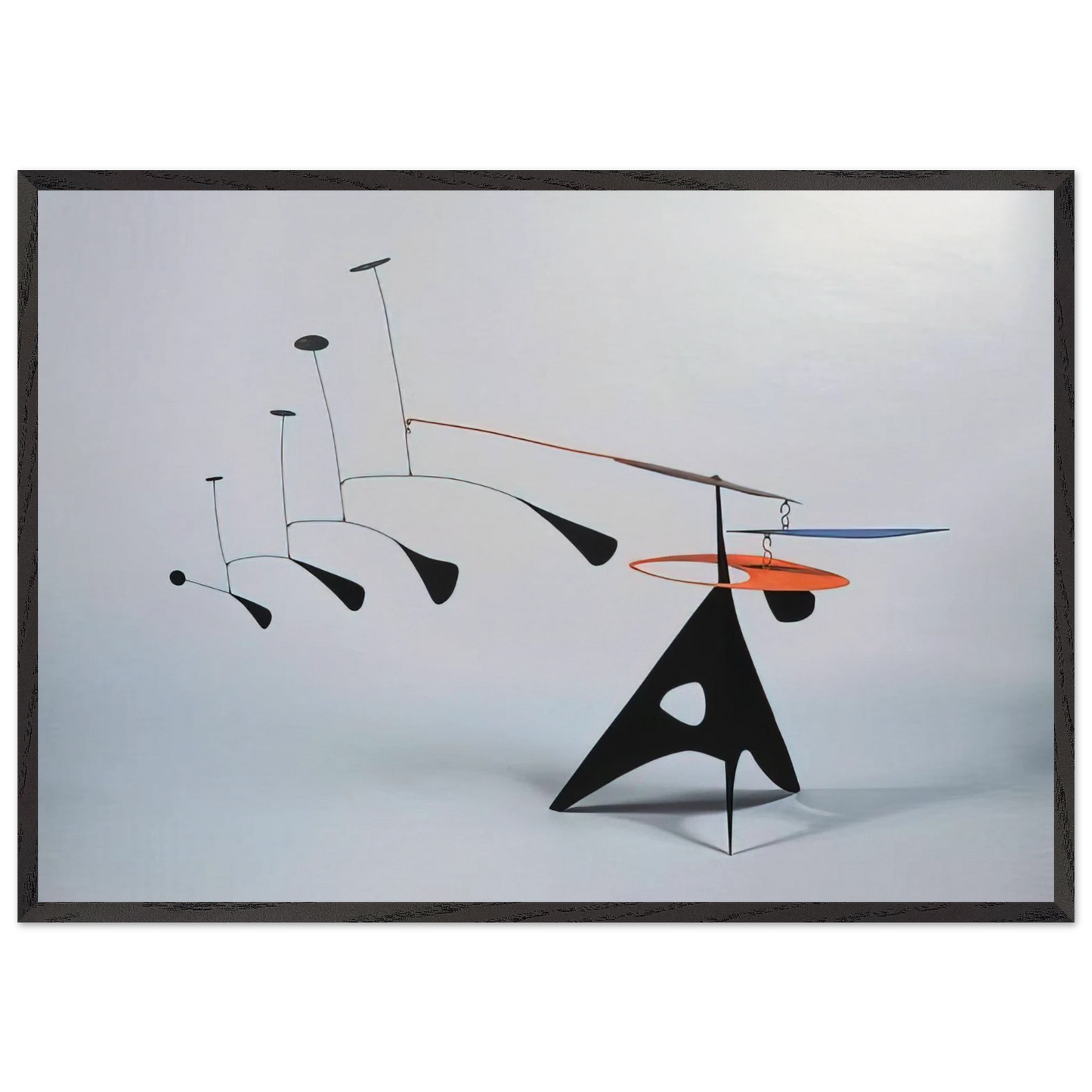
BLUE FEATHER 1948 - Alexander Calder 70x100 cm / 28x40 inches Framed Art Print – Black Wooden Frame

BLUE FEATHER 1948 - Alexander Calder 70x100 cm / 28x40 inches Framed Art Print – Black Wooden Frame

Regular price $449.99 USD
Regular price $999.99 USD Sale price $449.99 USD
Sale Sold out
Quantity

Alexander Calder’s Blue Feather 1948: A Masterclass in Kinetic Balance

Step into the vibrant world of mid-century modernism with Alexander Calder’s Blue Feather 1948. This exquisite fine art print captures the quintessential energy of Calder, the visionary sculptor who famously redefined the relationship between space and form. While Calder is renowned for his gravity-defying mobiles, his 1948 gouaches like Blue Feather demonstrate a rhythmic playfulness on paper, using bold, primary forms to suggest movement and organic equilibrium.

This 70x100 cm (28x40 inches) museum-quality reproduction is meticulously crafted to preserve the depth of the original's saturated tones and intricate geometry. At RedKalion, we curate archival masterpieces that serve as a testament to the artist's legacy, ensuring that each stroke of Calder's avant-garde vision is rendered with absolute clarity and historical integrity for the discerning collector.

The RedKalion Archival Standard

  • Premium Framing: Encased in a 20mm (0.79") thick and wide black frame made from responsibly sourced oak and ash wood, offering a more substantial presence than standard thin frames.
  • Museum-Quality Paper: Printed on 250 gsm (110 lb) natural white paper with a thickness of 0.29 mm (11.4 mils), ensuring a weight and texture synonymous with fine art.
  • Longevity & Finish: A matte, uncoated finish eliminates glare, highlighting the vibrancy of the archival-grade inks.
  • Enduring Protection: Shatterproof plexiglass protects the print from UV damage and environmental factors while maintaining crystal clarity.
  • Sustainable Excellence: We utilize FSC-certified materials, aligning luxury home decor with environmental responsibility.

Elevate your space with a framed art print that endures. This 70x100 cm masterpiece arrives ready to hang, bridging the gap between mid-century abstraction and contemporary elegance.

View full details
What are the physical dimensions and quality of the frame?

The Blue Feather 1948 print features a black wooden frame crafted from oak or ash. It measures 20mm (0.79") in width and thickness, providing a robust, premium look. It includes a hanging kit for immediate, secure wall mounting.

What type of paper is used for this Alexander Calder print?

We use archival-grade 250 gsm (110 lb) natural white paper. It is 0.29 mm thick with a matte, uncoated finish, meeting museum standards for fine art reproductions to ensure vibrant color and longevity.

How is the artwork protected from damage?

Each framed art print is protected by high-quality, shatterproof plexiglass. This ensures your Alexander Calder reproduction remains safe from dust and impact while providing a clear view of the artwork without the risk of glass breakage.

Is the materials used in the print sustainable?

Yes, RedKalion prioritizes sustainability. We use FSC-certified or equivalent responsibly sourced wood for our frames and paper, ensuring that your museum-quality reproduction is as environmentally conscious as it is beautiful.

Will the print arrive ready to hang?

Absolutely. Your 70x100 cm Blue Feather 1948 print is delivered fully assembled in its black wooden frame with a professional hanging kit included, allowing you to elevate your interior space the moment it arrives.

What inspired Alexander Calder's Blue Feather 1948?

Blue Feather 1948 reflects Calder's fascination with kinetic energy and biomorphic forms. During this era, Calder translated the balance of his world-famous mobiles into two-dimensional gouaches, exploring how color and shape interact to create a sense of perpetual motion.

Why is Alexander Calder considered a pioneer of modern art?

Alexander Calder revolutionized 20th-century art by introducing motion into sculpture. His work, characterized by its playful abstraction and primary color palette, remains a cornerstone of modernism, influencing both the avant-garde movement and contemporary design aesthetics.