


Discover Unlimited Art Possibilities
At RedKalion, you can find virtually any artwork from any artist, available in a wide range of sizes to perfectly match your space.
If you didn’t find what you’re looking for, contact us at support@redkalion.com . We will source any artwork and produce it in any size and format you need, including art prints, posters, canvas, framed pieces, framed canvas, and more.
For dedicated art enthusiasts, we also offer handcrafted replicas of any artwork, carefully painted by highly skilled artists using traditional techniques.
For custom requests, contact us at support@redkalion.com .
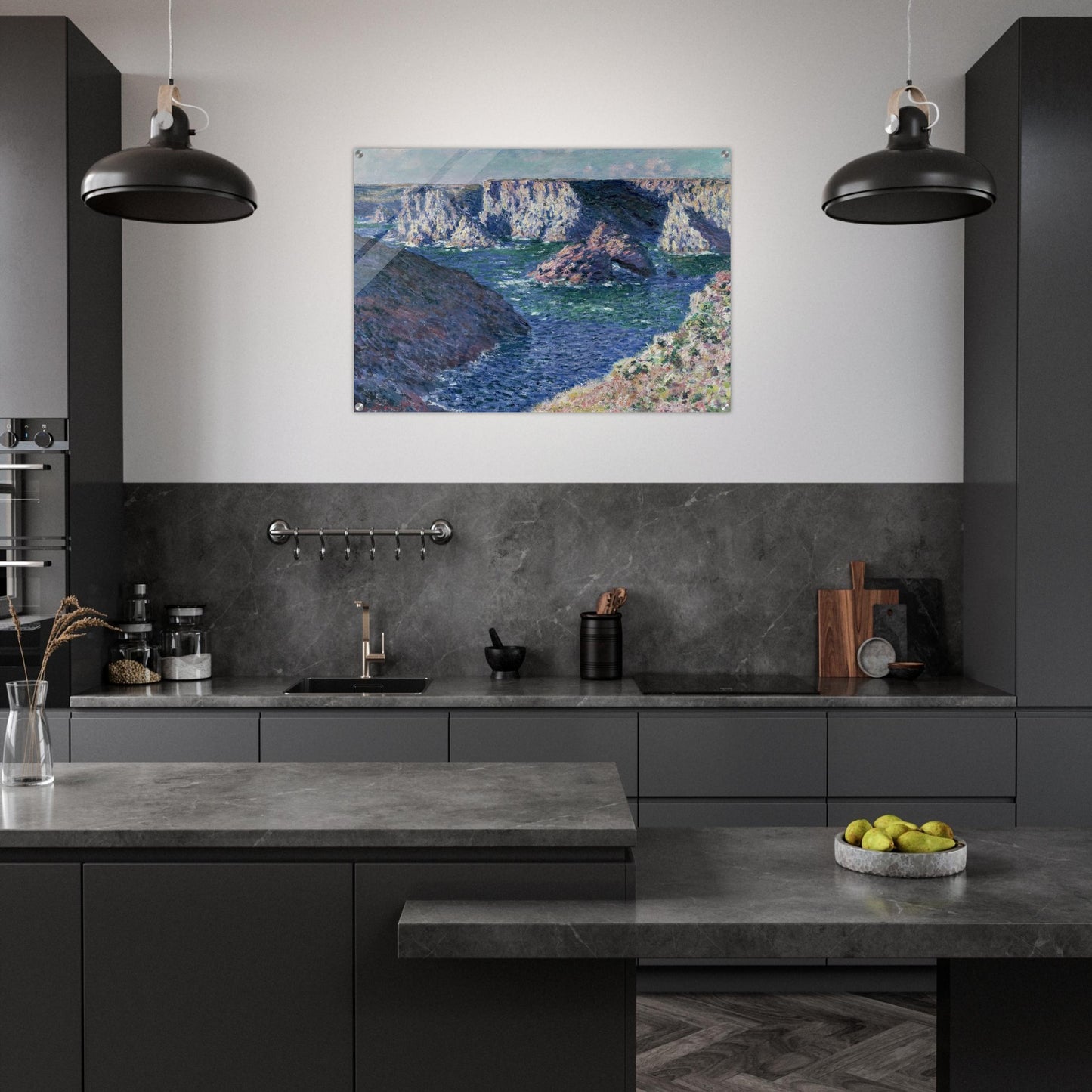
What is the historical significance of Rocks at Belle-Île by Claude Monet?
Painted in 1886, this work marks Monet's exploration of the rugged Breton coast, showcasing his Impressionist technique with dynamic brushstrokes to capture the ocean's power, influencing modern art movements.
How does the acrylic print enhance the artwork's details?
The 4mm acrylic panel provides a glossy, vibrant finish that intensifies Monet's color palette and texture, offering a museum-quality reproduction with sharp, lifelike clarity for your fine art collection.
What are the specifications for the hanging hardware included?
Each print comes with a full hanging kit: screws and holes pre-drilled 14mm from the edge (8mm diameter, 15mm screw head) for secure, easy installation on your wall.
Is the acrylic print durable and resistant to damage?
Yes, the 4mm acrylic material is scratch-resistant and UV-protected, ensuring long-lasting vibrancy and archival quality for your premium art reproduction.
What is the size and presentation of this Monet print?
It measures 70x100 cm / 28x40" inches with straight-cut corners and a white background for optimal display, making it a modern centerpiece for any interior.
How does Monet's technique in this painting differ from his earlier works?
In Rocks at Belle-Île, Monet used bold, rapid brushstrokes to depict the sea's turbulence, moving beyond calm scenes to explore natural drama, reflecting his evolving Impressionist style.
Why is Belle-Île an important location in Monet's career?
Belle-Île's wild coastline inspired Monet during his 1886 visit, leading to a series of seascapes that emphasized light and movement, pivotal in his artistic development.