RedKalion
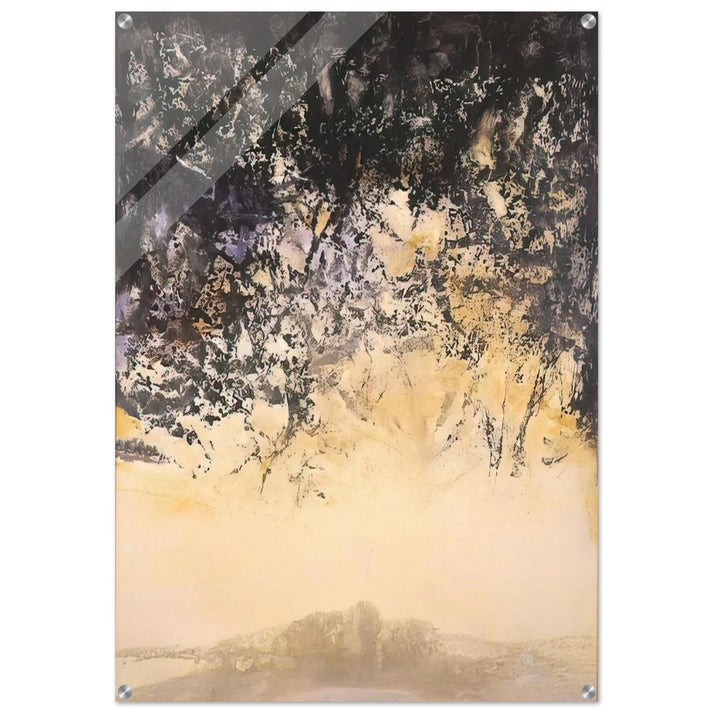
11 11 1996 1996 - Zao Wou-Ki Acrylic Print - 70x100 cm / 28x40″ inches
11 11 1996 1996 - Zao Wou-Ki Acrylic Print - 70x100 cm / 28x40″ inches
Couldn't load pickup availability
Elevate Your Space with Zao Wou-Ki’s Masterpiece: 11 11 1996
Experience the ethereal power of Lyrical Abstraction with our museum-quality acrylic reproduction of 11 11 1996 by the legendary Zao Wou-Ki. This piece captures the profound synthesis of Eastern calligraphy and Western abstraction, offering a window into a cosmic landscape that transcends physical boundaries. At RedKalion, we specialize in archival-grade prints that preserve the delicate nuances and vibrant energy of the original work.
Museum-Quality Craftsmanship
To do justice to Zao Wou-Ki’s masterful use of light and space, this reproduction is crafted on 4mm (0.15") high-grade acrylic. The material’s inherent clarity provides a sleek, vibrant finish that enhances the depth of the abstract forms, making the colors appear almost three-dimensional. With straight-cut corners and a modern aesthetic, this 70x100 cm (28x40") print serves as a sophisticated focal point for any contemporary interior.
Technical Precision & Ready to Display
Your 11 11 1996 acrylic print arrives ready for installation. Each piece includes a professional hanging kit with precision-drilled holes at each corner (14mm from the edge). The set features 15mm screw heads that provide a secure, floating-effect mount. Our commitment to quality ensures that the transparent elements of the artwork are backed with a clean white finish, optimizing the visual impact of Zao Wou-Ki’s complex color palette.
Art Historical Context: The Mastery of Zao Wou-Ki
Zao Wou-Ki was a pivotal figure in the École de Paris, known for his ability to translate the internal movement of the soul into visual form. In 11 11 1996, we see his late-career mastery, where the aggressive gestures of his youth gave way to a more fluid, atmospheric approach. By choosing this fine art reproduction, you are bringing home a piece of art history that embodies the delicate balance between chaos and serenity.

Discover Unlimited Art Possibilities
At RedKalion, you can find virtually any artwork from any artist, available in a wide range of sizes to perfectly match your space.
If you didn’t find what you’re looking for, contact us at support@redkalion.com . We will source any artwork and produce it in any size and format you need, including art prints, posters, canvas, framed pieces, framed canvas, and more.
For dedicated art enthusiasts, we also offer handcrafted replicas of any artwork, carefully painted by highly skilled artists using traditional techniques.
For custom requests, contact us at support@redkalion.com .
What material is used for the Zao Wou-Ki 11 11 1996 print?
This print is crafted using 4mm (0.15") premium acrylic, offering a sleek, durable, and vibrant finish that enhances the depth of the abstract artwork.
Does the print come with hanging hardware?
Yes, each acrylic print includes a full hanging kit with screws and pre-drilled holes (8mm diameter) at each corner for a secure installation.
How is the artwork packaged for shipping?
RedKalion uses reinforced, protective packaging to ensure your museum-quality reproduction arrives in pristine condition, fully insured and trackable.
Will the colors fade over time?
No, we use archival-grade inks and UV-resistant acrylic to ensure your print maintains its vibrancy and clarity for decades to come.
What are the corner and hole specifications?
The print features straight-cut corners with holes placed 14mm from the edges. The screw heads are 15mm in diameter for a professional look.
Why did Zao Wou-Ki title his works with dates like 11 11 1996?
Zao Wou-Ki used completion dates as titles to avoid influencing the viewer's interpretation, allowing the abstraction to speak directly to the observer's emotions.
What artistic style does 11 11 1996 represent?
This piece is a definitive example of Lyrical Abstraction, blending traditional Chinese ink aesthetics with Western oil-painting techniques and atmospheric depth.