


RedKalion
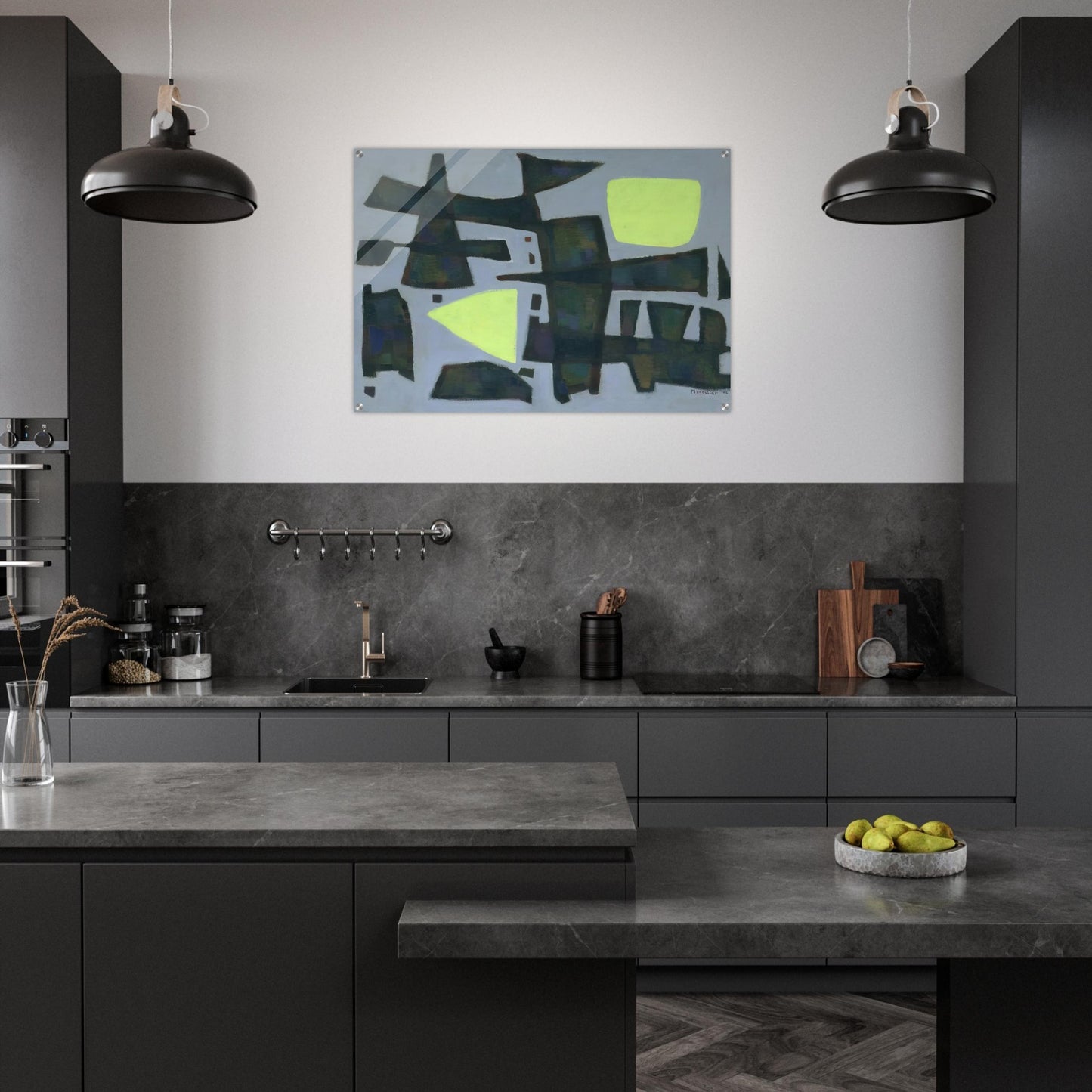
-12° - 1956 - Alfred Manessier Acrylic Print - 70x100 cm / 28x40″ inches
-12° - 1956 - Alfred Manessier Acrylic Print - 70x100 cm / 28x40″ inches
Couldn't load pickup availability
Elevate Your Space with Alfred Manessier’s Atmospheric Masterpiece
Experience the profound depth of -12° (1956), a seminal work by the French lyrical abstractionist Alfred Manessier. This museum-quality reproduction captures the artist's masterful transition from structural form to spiritual atmosphere. Manessier, a central figure of the Nouvelle École de Paris, was renowned for translating the rhythms of nature and the sanctity of light into non-figurative compositions. In this specific piece, the biting chill and crystalline clarity of a sub-zero winter day are reimagined through a sophisticated interplay of color and geometry.
The RedKalion Acrylic Print Experience
Our commitment to excellence ensures that this Alfred Manessier fine art print is more than a mere copy; it is a contemporary window into mid-century abstraction. Utilizing high-grade 4mm (0.15") acrylic, we achieve a level of vibrancy and depth that traditional paper cannot match. The material enhances the subtle tonal shifts in Manessier’s palette, while the polished finish lends a sophisticated, modern aesthetic to any interior.
- Archival Durability: Our museum-quality prints are designed to resist fading, ensuring the spiritual resonance of the artwork endures for generations.
- Sleek Modern Design: Featuring straight-cut corners and a slim profile for a clean, gallery-style presentation.
- Sophisticated Mounting: Each print arrives with a comprehensive hanging kit, including discrete hardware and pre-drilled 8mm holes positioned 14mm from the edge.
- Optical Clarity: The 4mm acrylic substrate provides a luminous effect, making the colors appear saturated and the details remarkably sharp.
By choosing a RedKalion reproduction, you are investing in a piece that bridges the gap between historical significance and modern luxury. This -12° - 1956 acrylic print serves as a testament to Manessier’s genius, curated for the discerning collector who values both art history and impeccable craftsmanship.


Discover Unlimited Art Possibilities
At RedKalion, you can find virtually any artwork from any artist, available in a wide range of sizes to perfectly match your space.
If you didn’t find what you’re looking for, contact us at support@redkalion.com . We will source any artwork and produce it in any size and format you need, including art prints, posters, canvas, framed pieces, framed canvas, and more.
For dedicated art enthusiasts, we also offer handcrafted replicas of any artwork, carefully painted by highly skilled artists using traditional techniques.
For custom requests, contact us at support@redkalion.com .
What makes the acrylic material superior for this Alfred Manessier print?
Our 4mm acrylic offers exceptional depth and color saturation. This medium enhances the lyrical abstraction of Manessier’s work, providing a luminous, glass-like finish that is both shatter-resistant and more vibrant than traditional framed paper prints.
How is the artwork prepared for hanging?
Each print includes a professional hanging kit with screws. The acrylic features four pre-drilled 8mm holes (one in each corner), located 14mm from the edge, ensuring a secure and perfectly aligned installation upon arrival.
Is the print shipped securely to prevent damage?
Yes, RedKalion employs specialized archival packaging. Every acrylic print is protected with a layer of film and encased in reinforced materials to ensure it reaches your gallery or home in pristine, museum condition.
Will the colors of the -12° reproduction fade over time?
No, we use archival-grade inks and UV-resistant acrylic. This combination protects the artwork from light degradation, ensuring that the cool, intricate tones of Manessier’s 1956 masterpiece remain vivid for decades.
What are the specific design dimensions and corner styles?
This print measures 70x100 cm (28x40") and features straight-cut corners. This design choice maintains the geometric integrity of the artwork while providing a modern, frameless aesthetic suited for high-end interiors.
What was Alfred Manessier’s artistic intent in 1956?
By 1956, Manessier was blending spiritualism with lyrical abstraction. In -12°, he sought to capture the 'internal landscape'—the emotional and sensory experience of winter rather than a literal representation of a cold day.
Why is this specific piece significant in the history of abstraction?
Manessier’s work represents a bridge between the structural rigor of stained glass and the freedom of abstract expressionism. This piece is a hallmark of the School of Paris, emphasizing meditative light and rhythmic color.