

RedKalion
14 FEB 45 2002 - Gerhard Richter Brushed Aluminum Print - 70x100 cm / 28x40 inches | Gerhard Richter Aluminum Print | Gerhard Richter Prints
14 FEB 45 2002 - Gerhard Richter Brushed Aluminum Print - 70x100 cm / 28x40 inches | Gerhard Richter Aluminum Print | Gerhard Richter Prints
Couldn't load pickup availability
The Intersection of History and Abstraction: Gerhard Richter’s 14 FEB 45
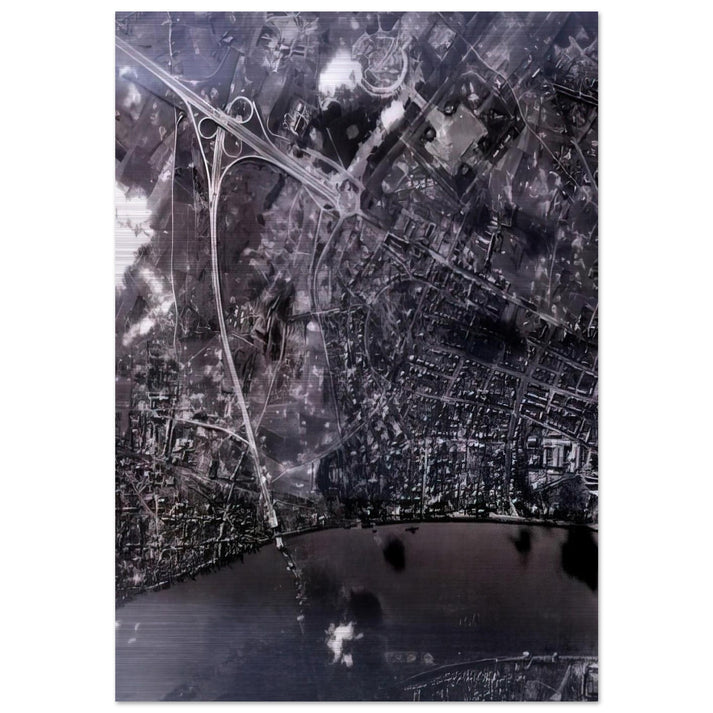
Experience one of the most poignant conceptual works of the 21st century with this museum-quality reproduction of Gerhard Richter’s 14 FEB 45. This piece serves as a profound meditation on memory, loss, and the passage of time, utilizing archival aerial photography of the 1945 bombing of Dresden. Richter, known for his ability to navigate the complex boundary between photography and painting, transforms a historical document into a hauntingly beautiful fine art print that resonates with contemporary gravity.
A Modern Masterpiece on Brushed Aluminum DIBOND®
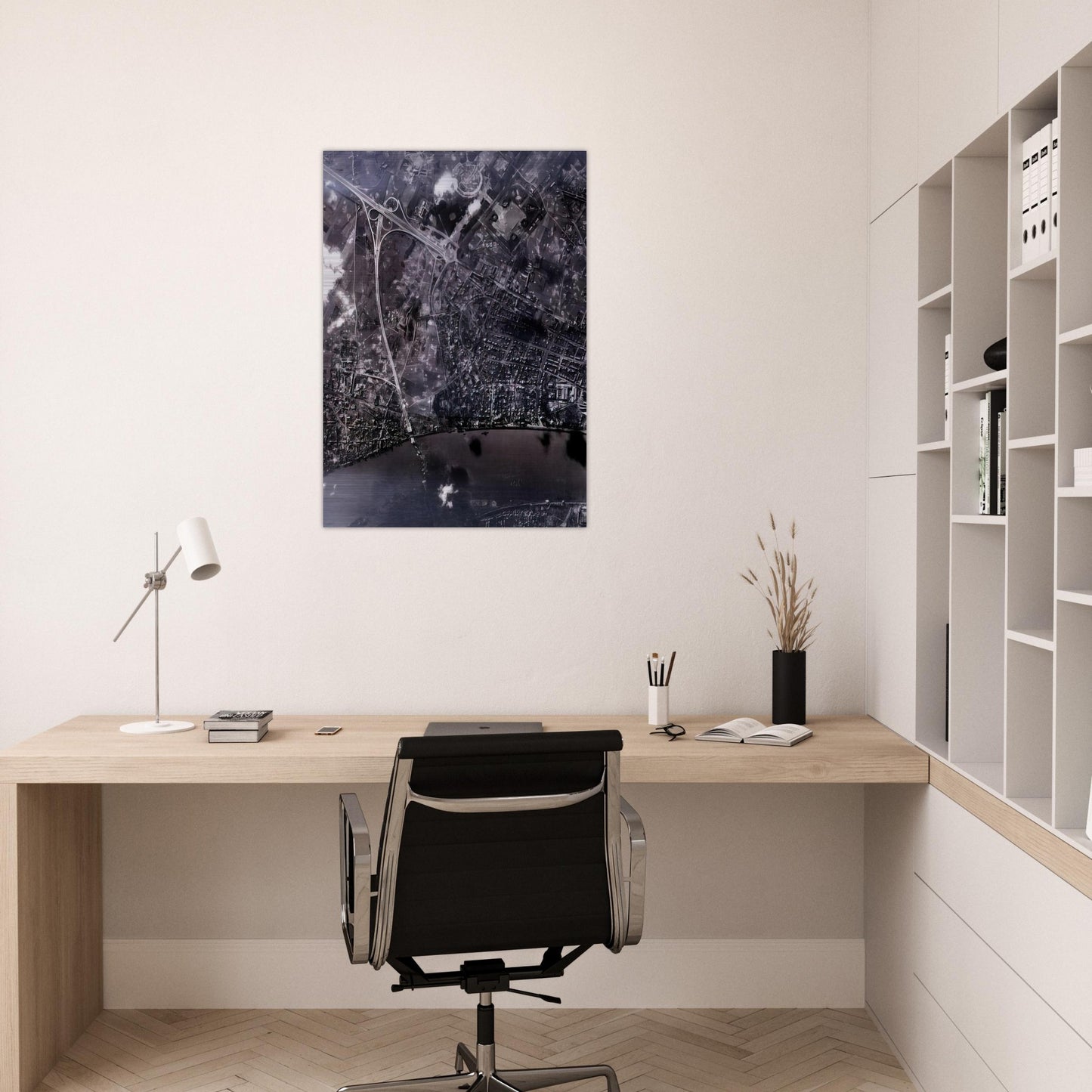
To honor the industrial precision and cold, reflective nature of Richter’s aesthetic, this Gerhard Richter brushed aluminum print is produced on premium 3mm Aluminum DIBOND®. This medium was specifically chosen to enhance the technical depth of the work. The horizontal grain of the brushed silver finish provides a dynamic, metallic undercurrent that shifts with the light in your space, mirroring the shifting perspectives of history itself.
- Material: Genuine brushed silver Aluminum DIBOND® with a 3mm (0.12") thickness for ultimate durability.
- Finish: Sophisticated matte, glare-free surface, perfect for high-contrast, black-and-white conceptual art.
- Metallic Effect: High-light areas and unprinted whites reveal the raw, brushed metallic texture for a striking visual impact.
- Archival Quality: Direct UV-print technology ensures vivid detail and exceptional longevity, making it an enduring centerpiece for your collection.
At RedKalion, we specialize in curating archival-grade reproductions for the discerning collector. This 70x100 cm (28x40 inch) edition is more than a print; it is a sophisticated statement piece that brings the weight of art history into the modern interior. Elevate your environment with an archival masterpiece that endures.


Discover Unlimited Art Possibilities
At RedKalion, you can find virtually any artwork from any artist, available in a wide range of sizes to perfectly match your space.
If you didn’t find what you’re looking for, contact us at support@redkalion.com . We will source any artwork and produce it in any size and format you need, including art prints, posters, canvas, framed pieces, framed canvas, and more.
For dedicated art enthusiasts, we also offer handcrafted replicas of any artwork, carefully painted by highly skilled artists using traditional techniques.
For custom requests, contact us at support@redkalion.com .
What makes a brushed aluminum DIBOND® print unique?
Aluminum DIBOND® provides a rigid, 3mm base with a brushed silver finish. The horizontal grain adds a metallic texture that interacts with ambient light, creating a dynamic appearance that paper cannot replicate.
How does the metallic silver effect work on this Gerhard Richter print?
We use a direct-print method where white areas remain unprinted. This allows the natural brushed aluminum to show through, providing a shimmering metallic effect that enhances the historical, industrial feel of the artwork.
Is the hanging hardware included with the print?
Yes, every RedKalion aluminum print includes a professional hanging kit. The specific hardware varies by country to ensure the most secure and aesthetic mounting for your 70x100 cm masterpiece.
What is the archival longevity of this museum-quality reproduction?
Our direct UV-printing process on Aluminum DIBOND® is designed for archival permanence. It is fade-resistant, moisture-resistant, and won't warp over time, ensuring your Gerhard Richter investment remains pristine for decades.
How should I clean and maintain my aluminum art print?
The matte, glare-free finish is highly durable. Simply use a soft, dry microfiber cloth to remove dust. Avoid harsh chemicals or abrasive materials to protect the integrity of the brushed silver surface.
What is the historical significance of Richter’s 14 FEB 45?
The title refers to the day after the Allied bombing of Dresden in 1945. Richter used 1945 aerial photographs as a base, layering them to explore how history is remembered, documented, and obscured over time.
Why is Gerhard Richter considered a pioneer of this style?
Richter revolutionized contemporary art by blurring the lines between photography and painting. His '14 Feb 45' series exemplifies his 'Atlas' methodology—collecting and re-contextualizing images to examine their emotional and historical weight.