RedKalion
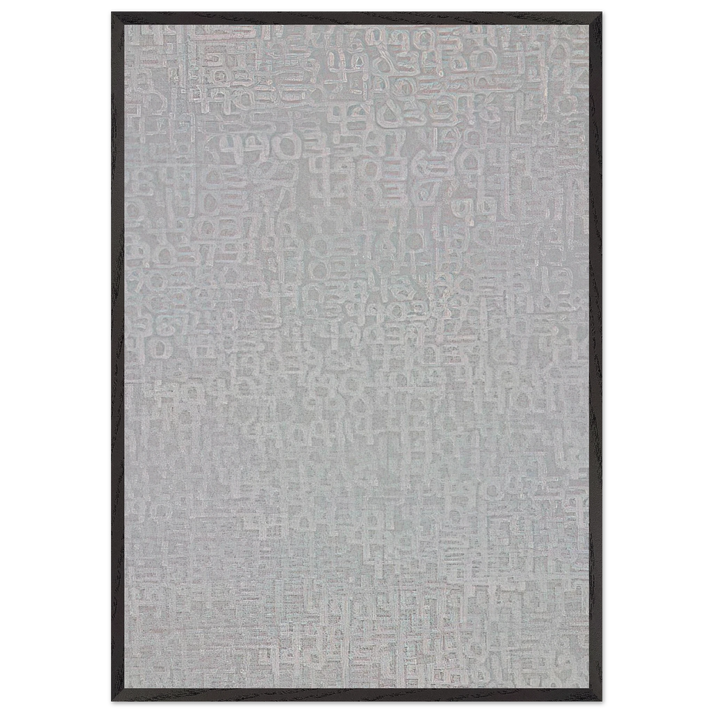
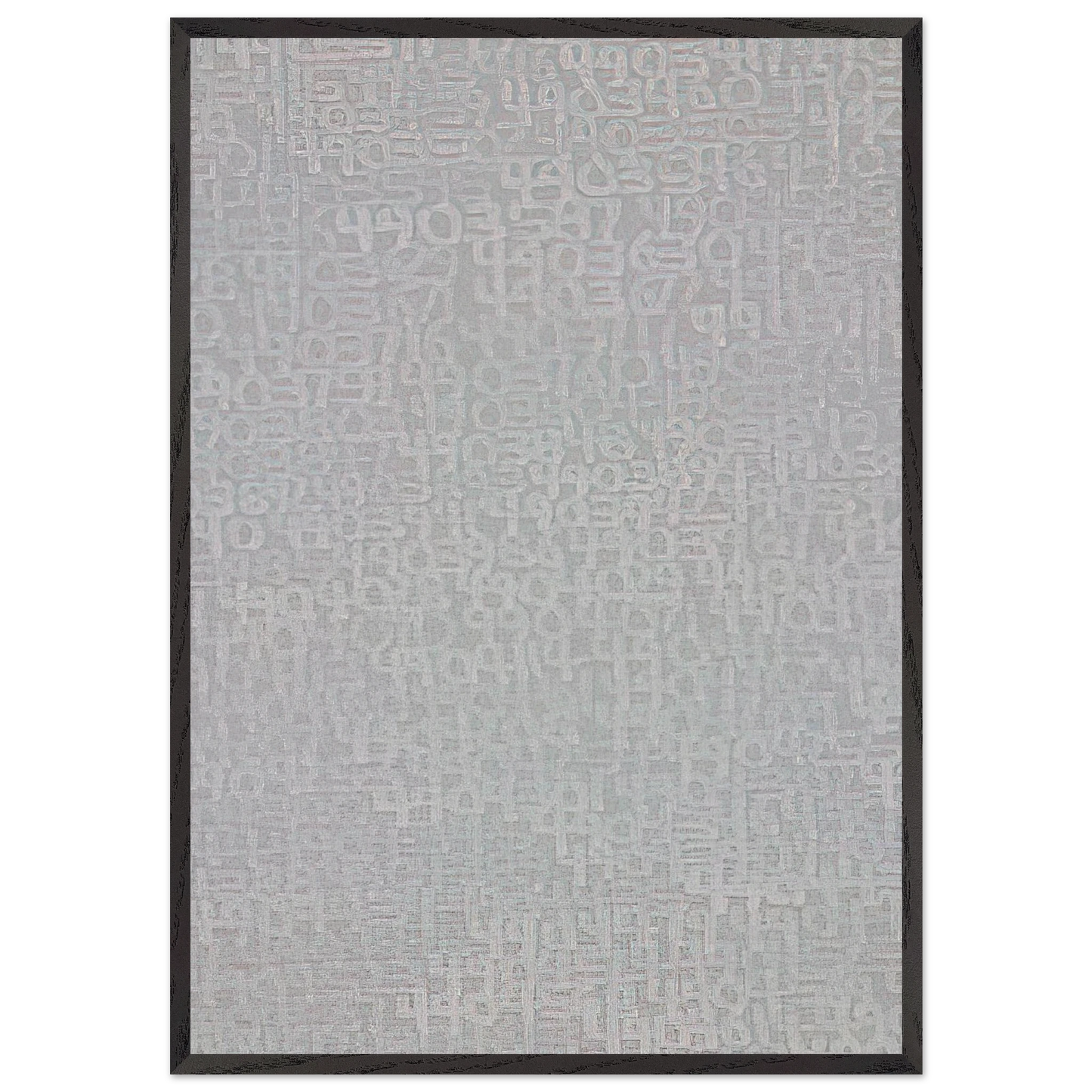
19651 - Detail 4894231 - 4914799 - Conceptual Art - Roman Opalka 70x100 cm / 28x40 inches Framed Art Print – Black Wooden Frame
19651 - Detail 4894231 - 4914799 - Conceptual Art - Roman Opalka 70x100 cm / 28x40 inches Framed Art Print – Black Wooden Frame
Couldn't load pickup availability
The Infinite Progression: Roman Opalka's Conceptual Masterpiece
Step into the profound philosophical landscape of Roman Opalka with this exquisite museum-quality reproduction of Detail 4894231 - 4914799. Part of his monumental project, OPALKA 1965 / 1 – ∞, this piece represents a specific moment in the artist's lifelong commitment to documenting the passage of time and the concept of infinity. This fine art print captures the meticulous, rhythmic sequence of numbers that Opalka hand-painted, offering a meditative focal point for any sophisticated interior.
Artistic Significance and Historical Context
Roman Opalka was a titan of Conceptual Art. Beginning in 1965, he dedicated his life to painting numbers from one toward infinity. Each 'Detail' captures a segment of this journey. As he progressed, he added one percent more white to his background for each new canvas, aiming for a final state of 'blanc sur blanc' (white on white). This specific sequence, 4894231 to 4914799, showcases the artist’s mastery of scale and his philosophical exploration of human finitude against the infinite.
Uncompromising RedKalion Quality
At RedKalion, we curate only the finest materials to ensure your artwork remains a legacy piece. This framed print is produced on 250 gsm (110 lb) archival museum-quality paper. The natural white, uncoated matte finish ensures a glare-free experience, allowing the subtle nuances of Opalka's typography to shine. Each print is housed in a 20mm (0.79") thick black frame, crafted from responsibly sourced oak and ash wood, providing a robust and elegant profile that exceeds standard gallery frames.
- Sustainable Materials: FSC-certified paper and ethically sourced wood frames.
- Archival Longevity: Acid-free paper prevents yellowing over time.
- Sophisticated Protection: Shatterproof, transparent plexiglass guards the work against environmental damage.
- Ready to Hang: Includes a premium hanging kit for effortless installation.
Elevate your collection with an archival masterpiece that transcends mere decoration, inviting a profound dialogue between the viewer and the essence of time itself.
Discover Unlimited Art Possibilities
At RedKalion, you can find virtually any artwork from any artist, available in a wide range of sizes to perfectly match your space.
If you didn’t find what you’re looking for, contact us at support@redkalion.com . We will source any artwork and produce it in any size and format you need, including art prints, posters, canvas, framed pieces, framed canvas, and more.
For dedicated art enthusiasts, we also offer handcrafted replicas of any artwork, carefully painted by highly skilled artists using traditional techniques.
For custom requests, contact us at support@redkalion.com .
What are the exact dimensions and frame specifications for this print?
This Roman Opalka print measures 70x100 cm (28x40 inches). It features a premium 20mm thick black frame made from solid oak or ash wood, providing a more substantial and luxurious presence than standard 14mm frames.
What is the quality of the paper used for this fine art reproduction?
We use 250 gsm (110 lb) archival museum-quality paper. It is natural white, uncoated, and matte-finished to ensure the highest color accuracy and a sophisticated, glare-free aesthetic suitable for gallery display.
How is the artwork protected during shipping and on the wall?
Each frame is equipped with shatterproof plexiglass, providing superior protection against impact and UV rays. Your order arrives in specialized protective packaging with a pre-installed hanging kit for immediate installation.
Is this product environmentally friendly?
Yes. RedKalion prioritizes sustainability by using FSC-certified paper and responsibly sourced wood for our frames. We ensure that our production processes meet high environmental and social standards.
Will the colors fade over time?
No. By utilizing archival-grade, acid-free paper and museum-quality inks, this print is designed to resist aging and fading, ensuring that the conceptual detail of Opalka’s work remains crisp for decades.
What is the meaning behind the numbers in Roman Opalka’s work?
The numbers represent a chronological progression of time. Opalka’s life’s work was to visualize the invisible flow of time, starting from 1 and moving toward infinity, documenting his own existence through these sequences.
Why does the background color matter in these conceptual details?
Opalka gradually lightened his backgrounds by adding 1% white to each new canvas. This process, known as 'reaching the white,' symbolized the transcendence of time and the eventual fading of the physical self into eternity.