RedKalion
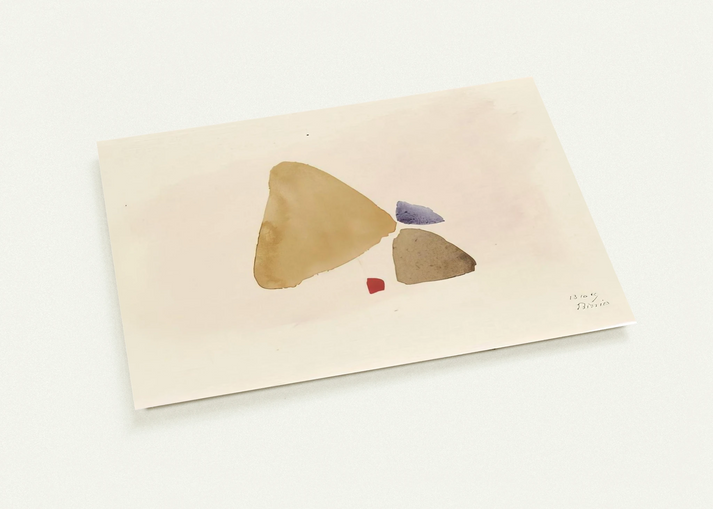
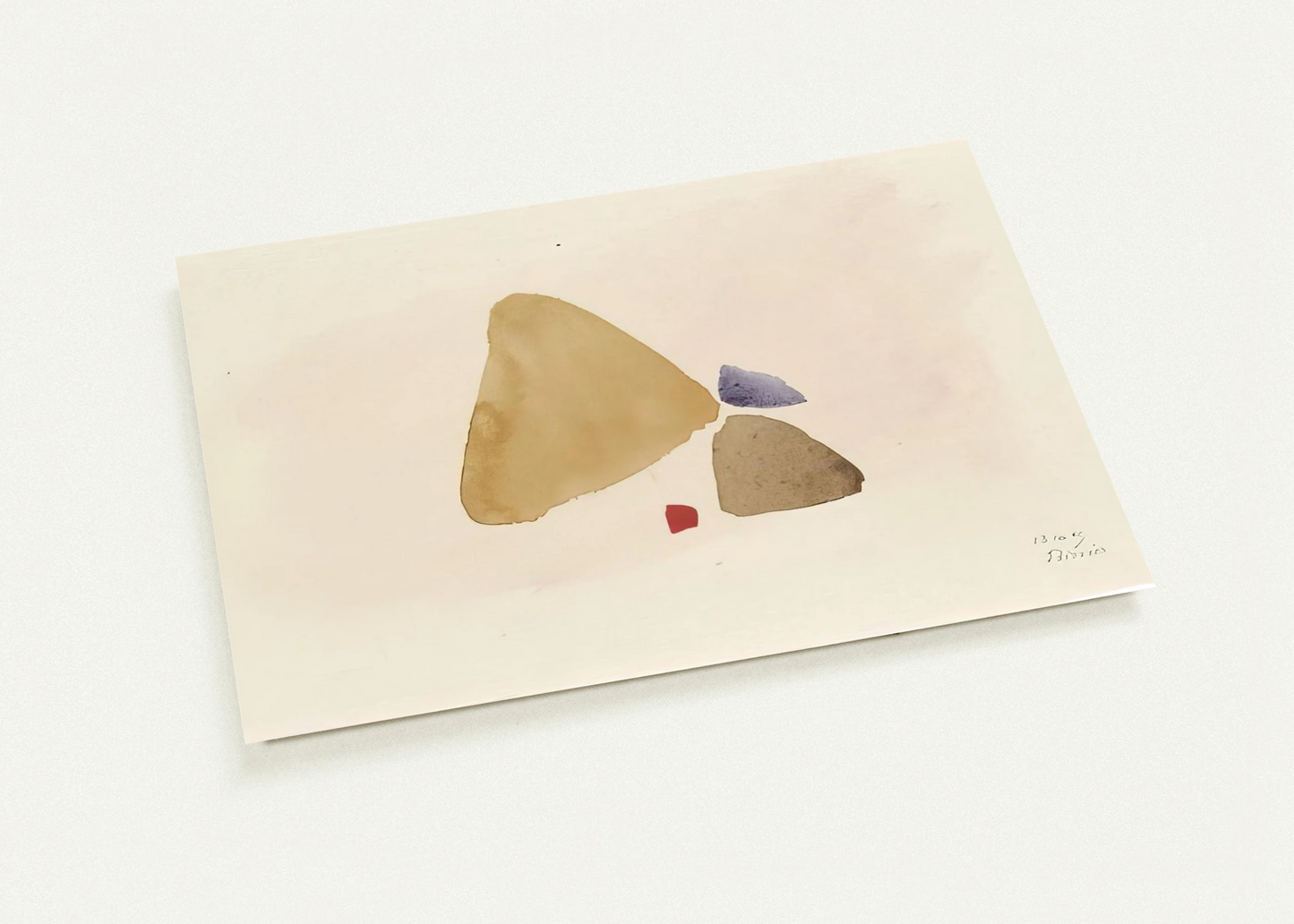
23.10.49 - 1949 By Julius Bissier Pack of 10 Post Cards | Julius Bissier Post Cards | A6 (10.5 x 14.8 cm) - 4.1 x 5.8 inches
23.10.49 - 1949 By Julius Bissier Pack of 10 Post Cards | Julius Bissier Post Cards | A6 (10.5 x 14.8 cm) - 4.1 x 5.8 inches
Couldn't load pickup availability
Elevate Your Correspondence with Julius Bissier’s '23.10.49'
Experience the meditative precision of German master Julius Bissier with this exquisite pack of 10 fine art postcards. Representing a pivotal moment in the 1949 era of his career, '23.10.49' captures the essence of Bissier’s transition toward Zen-influenced abstraction. Known for his intimate 'tusche' drawings and tempera works, Bissier’s art is a testament to the power of the small scale—perfectly realized in this A6 museum-quality reproduction.
The RedKalion Standard: Museum-Quality Precision
At RedKalion, we believe fine art should be felt as well as seen. These are not standard inkjet prints; we utilize advanced 12-color fine art printing technology to ensure every calligraphic nuance and subtle tonal shift of the original 1949 work is preserved. Printed on 200 gsm (80 lb) FSC-certified paper with a thickness of 0.26 mm, each card offers a substantial, premium feel and a smooth matte finish that eliminates glare while enhancing the depth of the ink.
Artistic Significance and Style
Bissier’s work is characterized by a profound sense of balance and 'inner necessity.' Following the devastation of WWII, his work moved toward a spiritual, almost calligraphic language. This piece, dated precisely as was his custom, serves as a contemplative window into the German Informel movement. By choosing these postcards, you are sharing a piece of art history that radiates calmness and intellectual depth.
- Pack Content: 10 premium flat postcards featuring '23.10.49'.
- Finish: Glare-free smooth matte for an elegant aesthetic.
- Sustainability: Environmentally conscious, printed on FSC-certified materials.
- Size: A6 (10.5 x 14.8 cm / 4.1 x 5.8 inches), ideal for framing or mailing.
Whether utilized as a sophisticated greeting or displayed as a curated miniature gallery on your wall, these Julius Bissier postcards from RedKalion bring the sanctuary of the museum into your private space.
Discover Unlimited Art Possibilities
At RedKalion, you can find virtually any artwork from any artist, available in a wide range of sizes to perfectly match your space.
If you didn’t find what you’re looking for, contact us at support@redkalion.com . We will source any artwork and produce it in any size and format you need, including art prints, posters, canvas, framed pieces, framed canvas, and more.
For dedicated art enthusiasts, we also offer handcrafted replicas of any artwork, carefully painted by highly skilled artists using traditional techniques.
For custom requests, contact us at support@redkalion.com .
What makes RedKalion’s printing process superior for Julius Bissier’s work?
We use 12-color fine art printing technology. This provides superior color vibrancy and tonal depth compared to standard 4-color printing, capturing the delicate calligraphic nuances of Bissier’s abstract '23.10.49' with museum-grade accuracy.
What is the weight and texture of the postcard paper?
Our postcards are printed on 200 gsm (80 lb) paper with a 0.26 mm thickness. The smooth matte finish provides a clean, sophisticated look that is completely glare-free, reflecting the premium quality of an archival print.
Are these postcards environmentally friendly?
Yes. RedKalion is committed to sustainability. These postcards are printed on demand to reduce waste and utilize FSC-certified paper, ensuring that your appreciation for art aligns with environmental responsibility.
How are the postcards packaged and shipped?
Each pack of 10 is carefully packaged to ensure they arrive in pristine condition. As we print on demand, there are no minimum orders, and we ship globally using secure, art-safe packaging.
Will the colors on these postcards fade over time?
No. By using archival-grade 12-color inks and premium acid-free paper, our prints are designed for longevity. The colors remain vivid and stable, making them suitable for both mailing and long-term framing.
Why did Julius Bissier title his works with specific dates like '23.10.49'?
Bissier adopted this practice to emphasize the work as a singular, spontaneous act of creation. It reflects his interest in Zen philosophy, where the artwork is a direct record of a specific moment in time.
Is this specific artwork considered part of the German Informel movement?
Yes, Julius Bissier is often associated with the German Informel and Art Informel movements. His work bridges the gap between European abstraction and East Asian meditative calligraphic traditions.