RedKalion
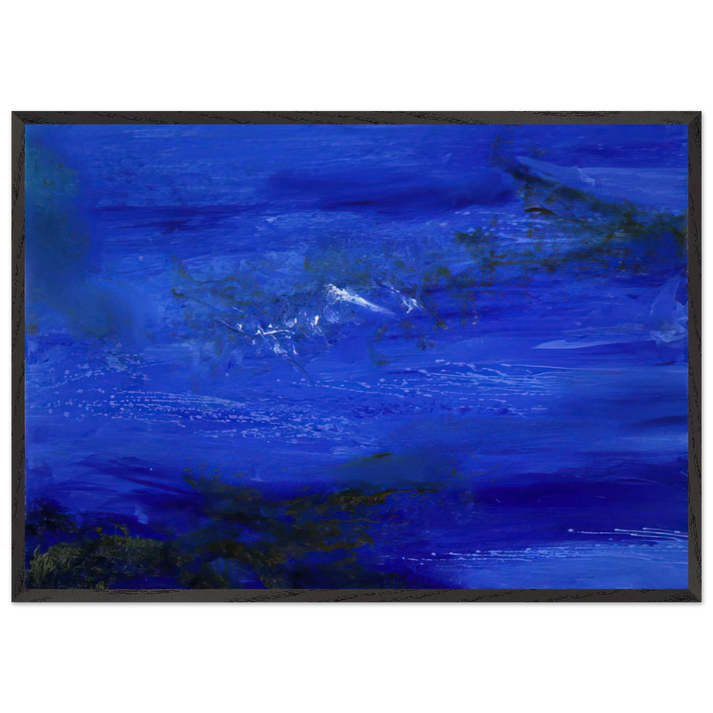
25 10 2002 2002 - Zao Wou-Ki 70x100 cm / 28x40 inches Framed Art Print – Black Wooden Frame
25 10 2002 2002 - Zao Wou-Ki 70x100 cm / 28x40 inches Framed Art Print – Black Wooden Frame
Couldn't load pickup availability
Elevate Your Space with Zao Wou-Ki’s Late Masterpiece: 25.10.2002
Experience the ethereal beauty of 25.10.2002, a profound work by the legendary Franco-Chinese master Zao Wou-Ki. This museum-quality reproduction captures the essence of Lyrical Abstraction, where the artist’s dual heritage culminates in a breathtaking synthesis of traditional Chinese ink sensibilities and Western abstract expressionism. In this late-period work, Zao Wou-Ki moves away from the dense turbulence of his earlier 'Cursive' period, opting instead for a luminous, airy composition that explores the infinite depths of light and space.
Museum-Quality Execution and Curatorial Integrity
At RedKalion, we honor the legacy of world-class artists through uncompromising production standards. This fine art print is meticulously rendered on 250 gsm (110 lb) natural white, archival-grade paper. The matte, uncoated finish ensures that the subtle gradations of Zao Wou-Ki’s palette are presented without glare, maintaining the visual depth of the original oil on canvas. This archival paper is FSC-certified, guaranteeing that your acquisition supports responsible forestry practices.
Sophisticated Framing for the Modern Collector
This 70x100 cm masterpiece arrives encased in a premium black wooden frame, crafted from responsibly sourced oak and ash. To provide a more presence-driven aesthetic, our frames feature a 20mm (0.79") thickness and width—a substantial upgrade from the standard 14mm frames found in most galleries. The artwork is protected by shatterproof plexiglass, which offers the clarity of glass with superior durability and safety.
- Artist: Zao Wou-Ki (1920–2013)
- Paper: 250 gsm museum-quality, acid-free archival paper.
- Frame: 20mm thick black-stained oak/ash wood with a sophisticated matte profile.
- Ready-to-Hang: Includes a professional hanging kit for immediate installation.
- Sustainability: Printed on FSC-certified materials.
Invest in an archival masterpiece that endures. RedKalion’s commitment to premium materials ensures that the vibrant energy and spiritual depth of 25.10.2002 will remain a focal point of your collection for generations.

Discover Unlimited Art Possibilities
At RedKalion, you can find virtually any artwork from any artist, available in a wide range of sizes to perfectly match your space.
If you didn’t find what you’re looking for, contact us at support@redkalion.com . We will source any artwork and produce it in any size and format you need, including art prints, posters, canvas, framed pieces, framed canvas, and more.
For dedicated art enthusiasts, we also offer handcrafted replicas of any artwork, carefully painted by highly skilled artists using traditional techniques.
For custom requests, contact us at support@redkalion.com .
What are the specifications of the paper used for this print?
We use 250 gsm (110 lb) archival museum-quality paper. It is natural white, uncoated, and matte to ensure long-lasting color fidelity and a premium, non-reflective finish suitable for fine art.
Is the black wooden frame sustainably sourced?
Yes, our 20mm thick frames are made from FSC-certified oak and ash wood. This ensures that the timber is harvested from responsibly managed forests that provide environmental and social benefits.
How is the artwork protected from damage during transit?
Each print is protected by shatterproof, transparent plexiglass and shipped in specialized protective packaging. The frame includes a hanging kit and arrives fully assembled and ready to hang.
Does the print include a border or a margin?
This 70x100 cm framed print is designed for a full-bleed or precisely balanced aesthetic. The museum-quality paper ensures that the edges remain crisp and well-defined within the black wooden frame.
What is the archival longevity of RedKalion prints?
RedKalion utilizes archival-grade, acid-free paper and specialized inks designed to resist yellowing and fading. This ensures your Zao Wou-Ki reproduction maintains its vibrant detail for decades.
Why did Zao Wou-Ki title his works with dates like '25 10 2002'?
In his later career, Zao Wou-Ki moved away from descriptive titles to avoid influencing the viewer's perception. He used the completion date to allow the abstract forms to speak purely through light and color.
How does this piece represent Zao Wou-Ki's 'Lyrical Abstraction'?
This style blends Western oil techniques with Chinese landscape philosophy. It focuses on the 'Qi' or energy of the scene, using fluid brushwork to create a space for meditation and spiritual reflection.