RedKalion
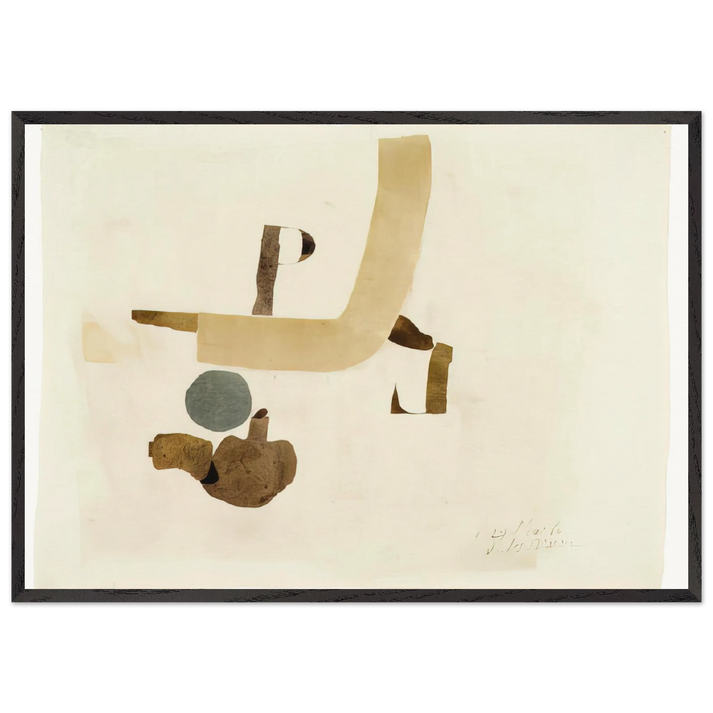
29564 - 1964 - Julius Bissier 70x100 cm / 28x40 inches Framed Art Print – Black Wooden Frame
29564 - 1964 - Julius Bissier 70x100 cm / 28x40 inches Framed Art Print – Black Wooden Frame
Couldn't load pickup availability
Elevate Your Space with the Contemplative Abstraction of Julius Bissier
This exquisite museum-quality reproduction captures the ethereal and meditative essence of Julius Bissier’s 1964 works. As a master of quiet abstraction, Bissier’s late-career output represents a profound synthesis of Zen philosophy and European modernism. This specific piece demonstrates his mastery of calligraphic weight and spatial balance, offering a sophisticated focal point for any refined interior.
Archival Integrity & Museum-Grade Materials
At RedKalion, we curate our prints with an unwavering commitment to longevity and aesthetic precision. This fine art print is rendered on 250 gsm (110 lb) archival paper. The paper features a matte, uncoated, natural white finish that ensures the depth of the pigments remains true to the artist's original vision without the distraction of surface glare. With a thickness of 0.29 mm, the tactile quality of the paper mirrors that found in premier global galleries.
Sophisticated Framing and Sustainable Craftsmanship
The artwork is presented in a premium black wooden frame, expertly crafted from responsibly sourced oak and ash. Measuring 20mm (0.79") in width and thickness, this frame provides a more substantial and authoritative presence than standard retail alternatives. Each piece is protected by shatterproof plexiglass, ensuring the safety of your investment while maintaining crystal-clear visibility.
- Artist: Julius Bissier (1964)
- Paper: FSC-certified, 250 gsm archival museum-quality.
- Frame: Sustainably sourced black oak/ash, 20mm profile.
- Ready-to-Hang: Includes a professional hanging kit for immediate installation.
- Durability: Archival-grade materials prevent yellowing and fading over time.

Discover Unlimited Art Possibilities
At RedKalion, you can find virtually any artwork from any artist, available in a wide range of sizes to perfectly match your space.
If you didn’t find what you’re looking for, contact us at support@redkalion.com . We will source any artwork and produce it in any size and format you need, including art prints, posters, canvas, framed pieces, framed canvas, and more.
For dedicated art enthusiasts, we also offer handcrafted replicas of any artwork, carefully painted by highly skilled artists using traditional techniques.
For custom requests, contact us at support@redkalion.com .
What makes this Julius Bissier print museum-quality?
We use 250 gsm (110 lb) natural white archival paper. This acid-free, uncoated material ensures the print resists yellowing and maintains color integrity for decades, meeting the high standards of fine art collectors.
Is the framing material sustainable?
Yes, our frames are crafted from FSC-certified oak and ash wood. We prioritize responsibly sourced materials to ensure your premium art print supports global forest conservation efforts.
How is the artwork protected during shipping and display?
Each print is encased in a 20mm thick wooden frame and protected by shatterproof, transparent plexiglass. This provides the clarity of glass with significantly higher durability during transit and home use.
What is the archival life of this print?
Thanks to the archival, museum-quality paper and UV-resistant characteristics of our printing process, this reproduction is designed to last a lifetime without significant fading when kept out of direct intense sunlight.
Does the print come ready to hang?
Every RedKalion framed print includes a pre-installed hanging kit. The 70x100 cm frame is designed for easy mounting, allowing you to elevate your wall space immediately upon arrival.
What is the significance of the 1964 period in Bissier's work?
1964 marks the pinnacle of Bissier's mature style, characterized by Zen-like ink washes and symbolic abstraction. This era reflects his transition toward broader, more confident compositions before his passing in 1965.
How does the matte finish affect the visual experience?
The matte, uncoated finish eliminates reflections and glare. This allows the viewer to appreciate the subtle textures and calligraphic nuances of Bissier’s work from any angle in a well-lit room.