RedKalion
30.7.75 - 1975 - John Hoyland Acrylic Print - 70x100 cm / 28x40″ inches | John Hoyland Wall Art | John Hoyland Prints
30.7.75 - 1975 - John Hoyland Acrylic Print - 70x100 cm / 28x40″ inches | John Hoyland Wall Art | John Hoyland Prints
Couldn't load pickup availability
The Visceral Language of John Hoyland’s 30.7.75
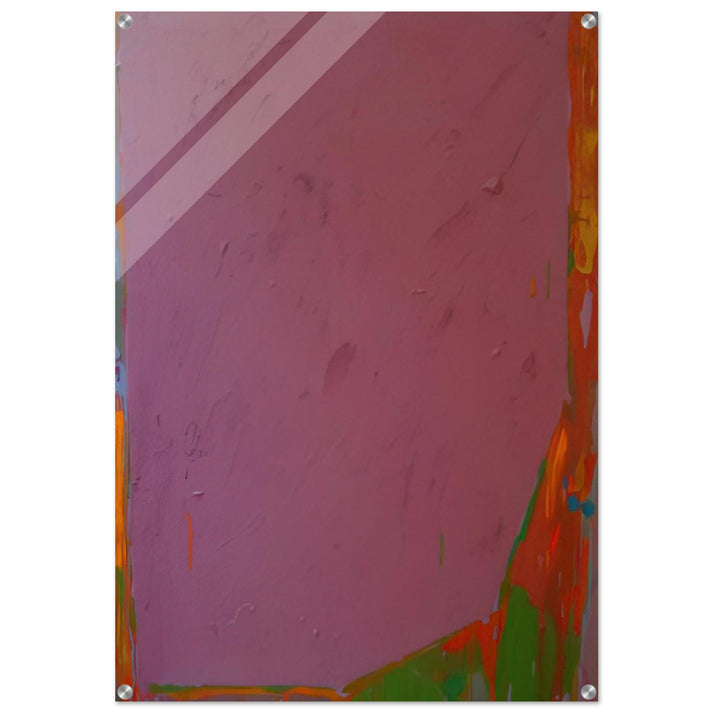
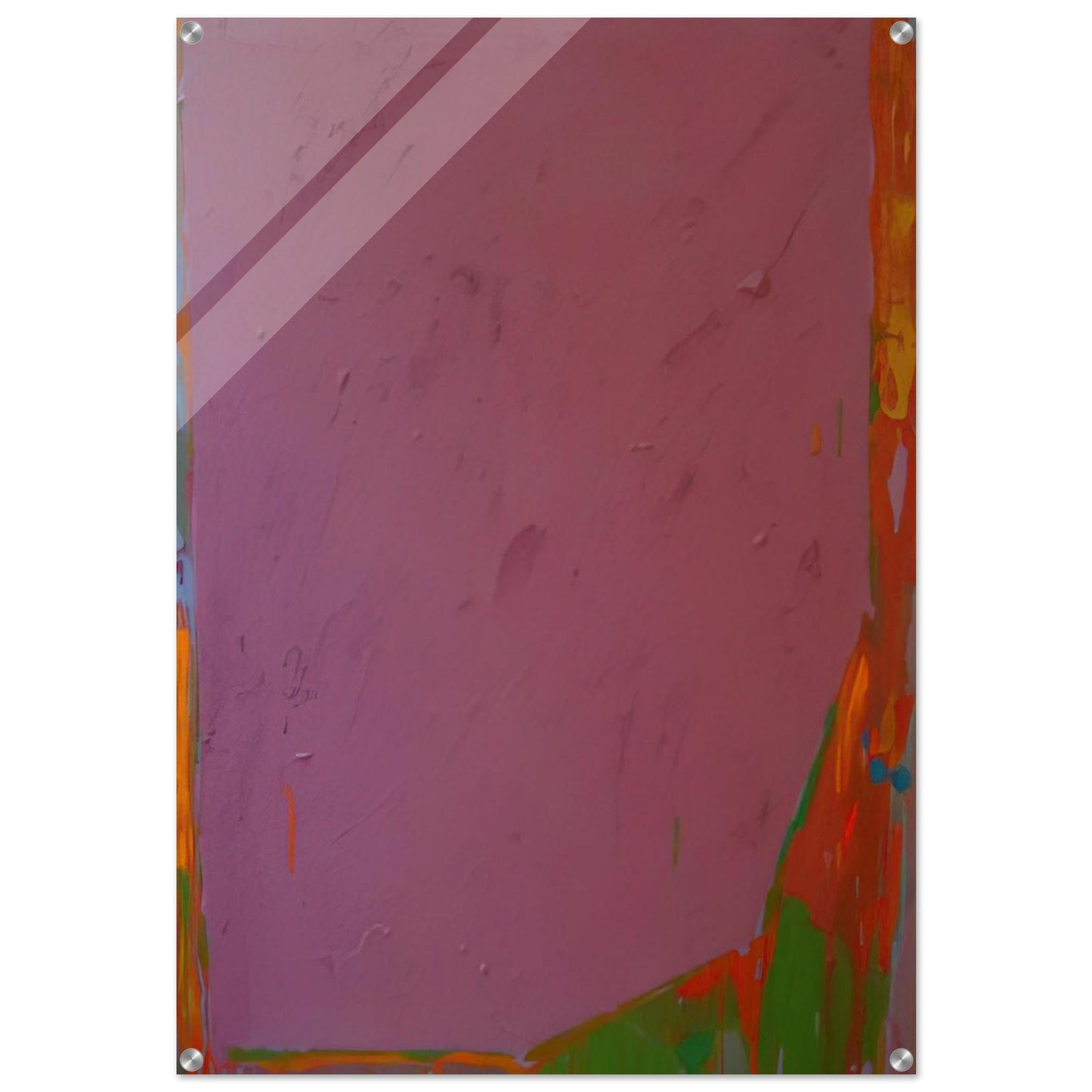
Immerse yourself in the profound depth of John Hoyland’s 30.7.75, a masterwork from 1975 that exemplifies the height of British post-painterly abstraction. As one of the most influential non-figurative artists of the 20th century, Hoyland’s work is characterized by its rhythmic energy and bold use of color fields. This piece, a standout in the John Hoyland wall art collection, captures a transition in his career where hard-edged forms began to merge with more organic, textured applications.
Elevated Craftsmanship by RedKalion
At RedKalion, we curate museum-quality reproductions that honor the artist's original vision. This John Hoyland acrylic print is presented on 4mm (0.15") high-grade acrylic, providing a depth and luminosity that traditional prints cannot achieve. The archival-grade material ensures that the vibrant oranges, reds, and structural blacks of the 1975 composition retain their intensity for a lifetime.
Product Specifications & Aesthetic Features
- Modern Profile: Finished with straight-cut corners for a sleek, contemporary look that suits both minimalist and maximalist interiors.
- Archival Durability: The 4mm acrylic surface is both vibrant and durable, offering a sophisticated alternative to traditional glass-framed prints.
- Integrated Mounting: Each piece arrives with a premium hanging kit, including hardware and screws. The print features pre-drilled holes at each corner (14mm from the edge, 8mm diameter) to ensure a seamless and secure installation.
- Optimized Clarity: Our printing process defaults transparent backgrounds to white, ensuring the structural integrity of the artwork remains the focal point.
This 70x100 cm (28x40") reproduction is more than a decorative element; it is an archival masterpiece that brings the legacy of John Hoyland prints into the modern home. Elevate your space with a work that endures.
Discover Unlimited Art Possibilities
At RedKalion, you can find virtually any artwork from any artist, available in a wide range of sizes to perfectly match your space.
If you didn’t find what you’re looking for, contact us at support@redkalion.com . We will source any artwork and produce it in any size and format you need, including art prints, posters, canvas, framed pieces, framed canvas, and more.
For dedicated art enthusiasts, we also offer handcrafted replicas of any artwork, carefully painted by highly skilled artists using traditional techniques.
For custom requests, contact us at support@redkalion.com .
What materials are used for this John Hoyland print?
This print is crafted from 4mm (0.15") high-grade acrylic, offering a sleek, vibrant, and durable finish that outperforms traditional glass. It is designed for longevity and visual depth.
How is the acrylic print installed?
Each print includes a professional hanging kit with screws. It features pre-drilled 8mm holes at each corner, positioned 14mm from the edge, for a secure and easy mounting process.
Will the colors fade over time?
No. RedKalion uses archival-grade inks and UV-resistant acrylic to ensure your museum-quality reproduction maintains its original vibrancy and clarity for decades to come.
What is the shipping and handling process for large prints?
Our 70x100 cm prints are securely packaged in specialized protective materials to prevent scratches or cracks during transit, ensuring your artwork arrives in gallery-perfect condition.
Does the print come ready to hang?
Yes, your John Hoyland wall art comes complete with all necessary hardware and a specialized hanging kit, allowing for immediate installation upon arrival.
What is the significance of the title 30.7.75?
John Hoyland often titled his paintings after the date they were completed. This system reflects his focus on the painting as a pure, non-referential event occurring in a specific moment in time.
Why was the year 1975 important for John Hoyland’s style?
In 1975, Hoyland moved away from the flat color stains of the 60s toward more tactile, sculptural paint applications. This print captures that pivotal shift toward greater physical presence and complexity.