RedKalion
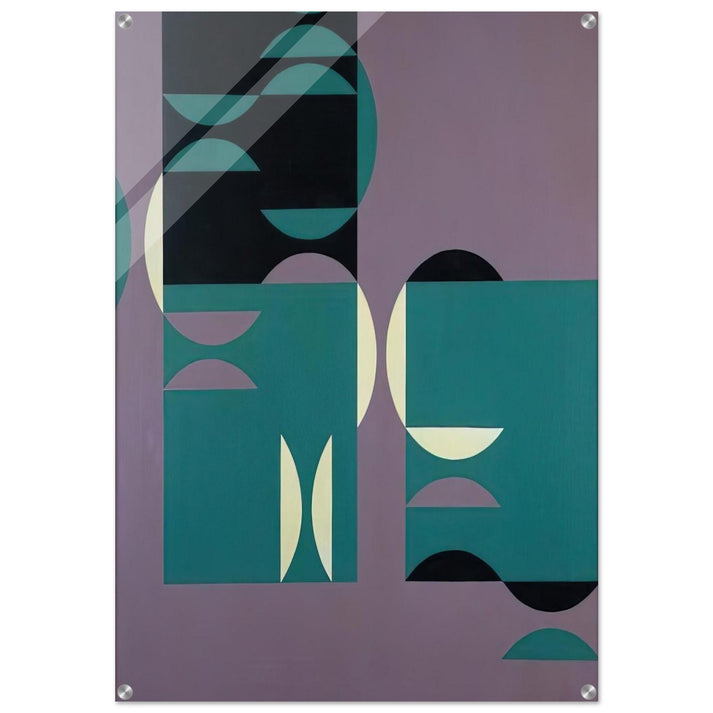
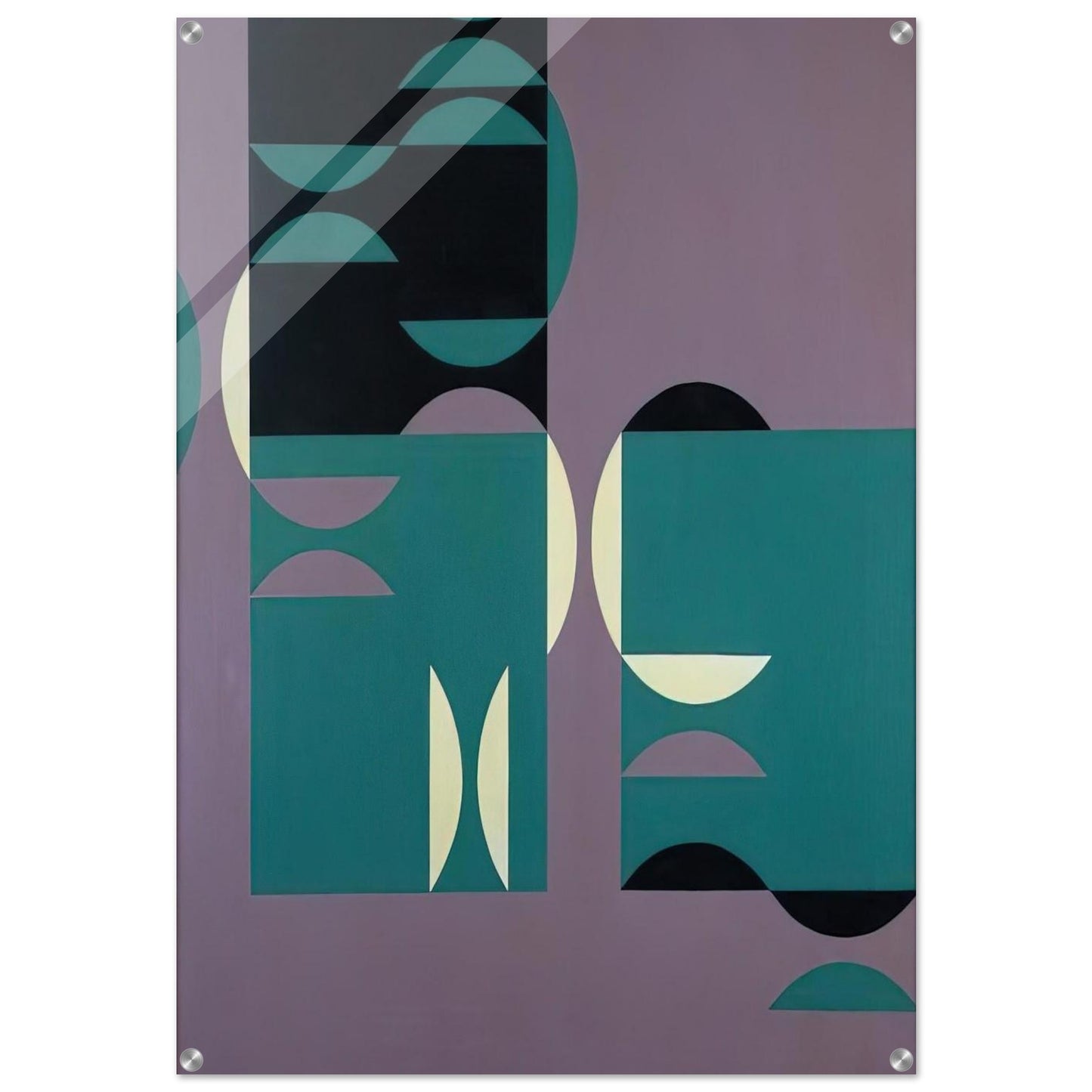
4 temas circulares - 1953 - Tomas Maldonado Acrylic Print - 70x100 cm / 28x40″ inches | Tomas Maldonado Wall Art | Tomas Maldonado Prints
4 temas circulares - 1953 - Tomas Maldonado Acrylic Print - 70x100 cm / 28x40″ inches | Tomas Maldonado Wall Art | Tomas Maldonado Prints
Couldn't load pickup availability
Elevate Your Space with '4 temas circulares' (1953) by Tomás Maldonado
Experience the pinnacle of 20th-century geometric abstraction with this museum-quality reproduction of Tomás Maldonado’s '4 temas circulares'. Originally composed in 1953, this piece represents a defining moment in the Arte Concreto-Invención movement. Maldonado, a visionary who bridged the gap between fine art and industrial design, utilizes mathematical rigor to explore the relationship between form, space, and color. This fine art print captures the pristine logic and rationalist beauty that defined the Ulm School influence.
The RedKalion Archival Standard
At RedKalion, we curate museum-quality reproductions that honor the artist's original intent. This Tomas Maldonado wall art is rendered on premium 4mm (0.15") acrylic, providing a sleek, glass-like finish that enhances the depth and vibrancy of the geometric circular motifs. The modern, straight-cut corners and high-definition printing process ensure that every radius and intersection is presented with clinical precision, making it an ideal centerpiece for contemporary and minimalist interiors.
Technical Sophistication and Durability
Designed to be an enduring archival masterpiece, our acrylic prints offer superior durability and color retention. The 4mm acrylic provides a stunning depth effect, making the colors appear more vivid than traditional glass. To ensure a seamless installation, each piece arrives with a professional hanging kit, including discrete hardware and pre-drilled holes at each corner. This is not merely a print; it is a sophisticated structural element that transforms any wall into a private gallery of Latin American avant-garde art.
- Material: 4mm (0.15") premium acrylic.
- Finish: Vibrant, high-gloss surface with straight-cut corners.
- Mounting: Includes 15mm (0.6") screw head hardware and corner drill holes.
- Longevity: Archival-grade inks for lasting brilliance.
Discover Unlimited Art Possibilities
At RedKalion, you can find virtually any artwork from any artist, available in a wide range of sizes to perfectly match your space.
If you didn’t find what you’re looking for, contact us at support@redkalion.com . We will source any artwork and produce it in any size and format you need, including art prints, posters, canvas, framed pieces, framed canvas, and more.
For dedicated art enthusiasts, we also offer handcrafted replicas of any artwork, carefully painted by highly skilled artists using traditional techniques.
For custom requests, contact us at support@redkalion.com .
What material is used for this Tomas Maldonado print?
This print is crafted from 4mm (0.15") premium acrylic, offering a vibrant, sleek, and durable finish. This material provides exceptional depth and clarity, outperforming traditional glass for fine art displays.
How is the acrylic print mounted to the wall?
The artwork includes a dedicated hanging kit with screws. Each print features 8mm pre-drilled holes in each corner, positioned 14mm from the edge, fitting the included 15mm screw heads perfectly.
Is this reproduction considered archival quality?
Yes. RedKalion uses archival-grade printing processes and high-quality acrylic to ensure that your Tomas Maldonado wall art maintains its color integrity and structural beauty for decades.
How is the artwork protected during shipping?
We use specialized, high-impact packaging to ensure your museum-quality print arrives in pristine condition. Each order is insured and tracked to guarantee a secure delivery experience.
Why do transparent backgrounds appear white on this print?
To ensure optimal color presentation and structural opacity, any transparent areas in the original digital file default to white, providing a crisp and high-contrast background for the artwork.
What was the significance of 1953 for Tomas Maldonado?
1953 was a pivotal year for Maldonado as he began integrating industrial design principles into his Concrete Art, leading to his influential role at the Ulm School of Design in Germany shortly after.
What does the 'Concrete Art' movement represent?
Concrete Art, or Arte Concreto, focuses on mathematical precision and objectivity. It rejects symbolic representation, emphasizing that the line, color, and form are the reality themselves rather than a depiction of something else.