RedKalion
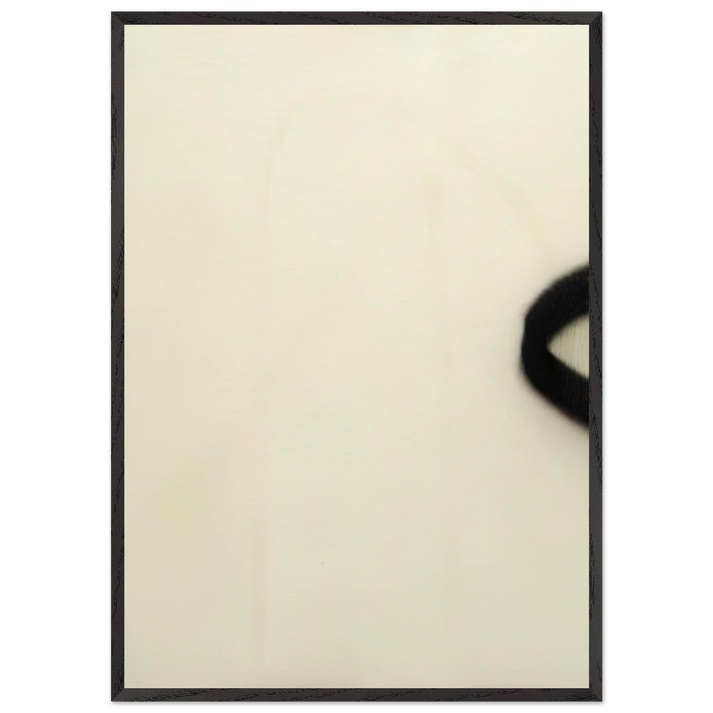
64-1-3 - 1964 - Martin Barre 70x100 cm / 28x40 inches Framed Art Print – Black Wooden Frame
64-1-3 - 1964 - Martin Barre 70x100 cm / 28x40 inches Framed Art Print – Black Wooden Frame
Couldn't load pickup availability
Elevate Your Space with Martin Barré’s 64-1-3
Immerse yourself in the radical minimalism of the mid-20th century with this premium reproduction of Martin Barré’s 64-1-3 (1964). This museum-quality fine art print captures a pivotal moment in contemporary art history when Barré abandoned traditional brushwork for the precision and speed of aerosol spray paint. Part of his celebrated 'bombe' series, this work explores the tension between the void of the canvas and the decisive, linear gesture of the spray, making it a masterpiece of spatial dynamics.
At RedKalion, we curate archival-grade reproductions that preserve the integrity of the original artist's vision. Our Martin Barré 64-1-3 framed art print is produced on 250 gsm (110 lb) museum-quality paper. This natural white, matte-finished, and uncoated paper ensures that the subtle contrasts and textures of Barré’s minimalist lines are rendered with absolute clarity and depth without any distracting glare.
The presentation is as refined as the artwork itself. Each piece is encased in a premium black frame crafted from responsibly sourced oak and ash wood. Measuring 20mm (0.79") in both thickness and width, the frame provides a robust, contemporary profile that is significantly more substantial than standard 14mm gallery frames. To ensure your investment endures, the print is protected by shatterproof plexiglass, maintaining its archival longevity for generations.
Exquisite Craftsmanship & Sustainability:
- Archival Excellence: 250 gsm natural white paper provides a premium, weightier feel.
- Ready-to-Hang: Includes a complete hanging kit for immediate installation.
- Sustainably Sourced: All materials are FSC-certified or equivalent.
- Protective Finish: Shatterproof plexiglass preserves the print from environmental factors.
Whether you are an established collector or a lover of minimalist design, this Martin Barré reproduction offers an opportunity to bring an archival masterpiece into your home. Experience the quiet power of conceptual art with a piece that transcends time and trend.

Discover Unlimited Art Possibilities
At RedKalion, you can find virtually any artwork from any artist, available in a wide range of sizes to perfectly match your space.
If you didn’t find what you’re looking for, contact us at support@redkalion.com . We will source any artwork and produce it in any size and format you need, including art prints, posters, canvas, framed pieces, framed canvas, and more.
For dedicated art enthusiasts, we also offer handcrafted replicas of any artwork, carefully painted by highly skilled artists using traditional techniques.
For custom requests, contact us at support@redkalion.com .
What is the quality of the paper used for this Martin Barré print?
We use 250 gsm (110 lb) archival museum-quality paper. It is a natural white, uncoated, matte paper that prevents glare and ensures long-lasting color fidelity for your fine art reproduction.
How is the artwork framed and protected?
The print is mounted in a 20mm thick black frame made from responsibly sourced oak and ash. It is protected by shatterproof plexiglass, which offers superior safety and clarity compared to traditional glass.
Is the framed print ready to hang upon delivery?
Yes. Every RedKalion framed art print comes with a pre-installed hanging kit. You can elevate your interior design immediately after unboxing your new masterpiece.
How does RedKalion ensure the sustainability of its products?
We prioritize the planet by using FSC-certified wood for our frames and paper. This ensures that your museum-quality art print is sourced from responsibly managed forests.
Will the print fade or yellow over time?
No. By utilizing archival paper with a thickness of 0.29mm and acid-free materials, our prints are designed to resist yellowing and fading, preserving the minimalist aesthetics of Martin Barré for decades.
What technique did Martin Barré use for his 1964 works?
In 1964, Barré used aerosol spray cans to create sparse, linear marks. This technique focused on the speed of the gesture and the relationship between the mark and the surrounding white space.
Why is the year 1964 significant in Barré’s career?
1964 represents the height of Barré’s 'bombe' series. This era redefined minimalist abstraction by using industrial tools to explore conceptual boundaries and the physical limitations of the canvas edges.