RedKalion
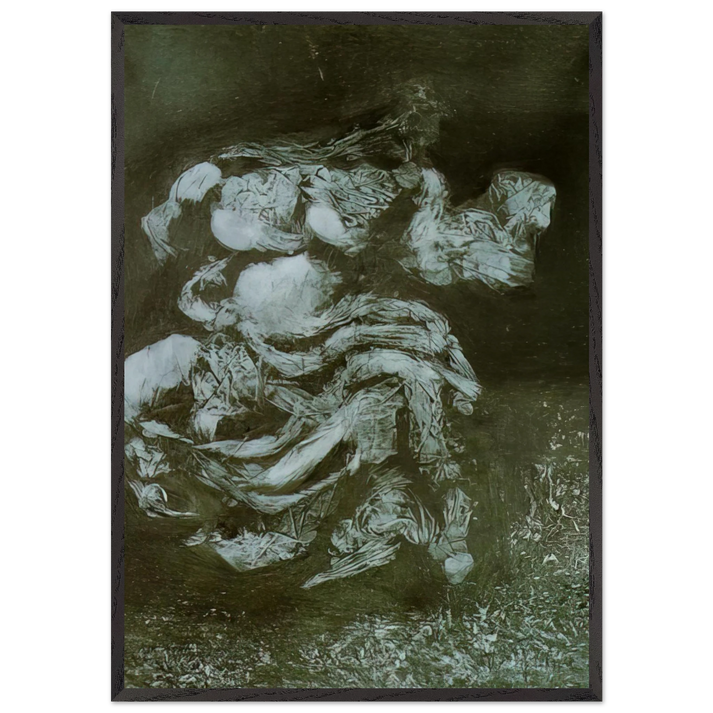
A FATE OF THE PARTHENON - Salvador Dali 70x100 cm / 28x40 inches Framed Art Print – Black Wooden Frame
A FATE OF THE PARTHENON - Salvador Dali 70x100 cm / 28x40 inches Framed Art Print – Black Wooden Frame
Couldn't load pickup availability
Experience the Surreal Majesty of Salvador Dalí’s A Fate of the Parthenon
In Salvador Dalí’s mesmerizing work, A Fate of the Parthenon, the boundaries between classical architecture and surrealist metamorphosis blur into a haunting, singular vision. This masterpiece reflects Dalí’s profound obsession with the classical world, reimagining the iconic Greek temple not as a static ruin, but as a living entity undergoing a metaphysical transformation. At RedKalion, we are proud to offer this museum-quality fine art print, meticulously reproduced to capture the intricate details and vibrant, eerie tonalities of the original Surrealist vision.
This archival-grade reproduction serves as more than just decor; it is an invitation into the subconscious mind of the 20th century’s most provocative genius. The composition utilizes Dalí’s characteristic precision, where the Parthenon's columns and pediments seem to dissolve, suggesting the cyclical nature of time and the decay of Western civilization. It is a piece that demands contemplation, making it an ideal focal point for an intellectually curated interior.
Exceptional Craftsmanship by RedKalion
Our commitment to excellence ensures that your investment is protected for generations. Each 70x100 cm (28x40 inches) framed art print is produced using premium materials that meet the highest standards of the global fine art market:
- Premium Paper: We use 250 gsm (110 lb) natural white, archival-grade museum paper with a matte, uncoated finish for a sophisticated look.
- Sustainably Sourced Frames: This print is housed in a professional 20mm (0.79") thick black frame crafted from responsibly sourced oak and ash wood.
- Ready-to-Hang: Your artwork arrives with a pre-installed hanging kit, allowing for immediate installation upon delivery.
- Shatterproof Protection: Crystal-clear, shatterproof plexiglass protects the delicate surface from UV light and environmental damage while ensuring safety.
Elevate your space with a Salvador Dalí framed print that honors the artist's legacy. By choosing RedKalion, you are acquiring a piece that balances historical reverence with contemporary sustainability, ensuring an archival masterpiece that endures.

Discover Unlimited Art Possibilities
At RedKalion, you can find virtually any artwork from any artist, available in a wide range of sizes to perfectly match your space.
If you didn’t find what you’re looking for, contact us at support@redkalion.com . We will source any artwork and produce it in any size and format you need, including art prints, posters, canvas, framed pieces, framed canvas, and more.
For dedicated art enthusiasts, we also offer handcrafted replicas of any artwork, carefully painted by highly skilled artists using traditional techniques.
For custom requests, contact us at support@redkalion.com .
What is the quality of the paper used for this Salvador Dalí print?
We use 250 gsm (110 lb) museum-quality, natural white paper. This heavy-weight, archival paper features a matte, uncoated finish, ensuring the vibrant colors and deep blacks of Dalí's work are rendered with stunning clarity without glare.
Does the framed print come ready to hang?
Yes. Every framed Salvador Dalí print from RedKalion includes a complete hanging kit. The 20mm thick black wooden frame is designed for immediate mounting, allowing you to transform your gallery space the moment it arrives.
How is the artwork protected during shipping and on the wall?
Your print is protected by shatterproof plexiglass, which is safer and more durable than standard glass. For shipping, we use robust, secure packaging to ensure your artwork reaches you in pristine, gallery-ready condition.
Is the framing material sustainably sourced?
Absolutely. We prioritize sustainability by using FSC-certified oak and ash wood for our frames. This ensures that your fine art reproduction is as environmentally responsible as it is aesthetically beautiful.
What is the archival longevity of this museum-quality reproduction?
This print is designed for longevity. Using archival-grade, acid-free paper and UV-resistant plexiglass, our reproductions are built to resist yellowing and fading, maintaining their museum-quality appearance for decades when kept out of direct sunlight.
What is the historical significance of 'A Fate of the Parthenon'?
'A Fate of the Parthenon' exemplifies Dalí’s exploration of classical deconstruction. It merges Greek architecture with surreal forms to suggest the fragility of history and the power of the subconscious, reflecting his late-period fascination with 'Nuclear Mysticism.'
How does Dalí’s style manifest in this specific architectural piece?
Dalí uses his 'paranoiac-critical method' to find hidden forms within the architecture. The temple columns morph into organic, skull-like structures, a classic Dalí technique that challenges the viewer's perception of reality, history, and myth.