RedKalion
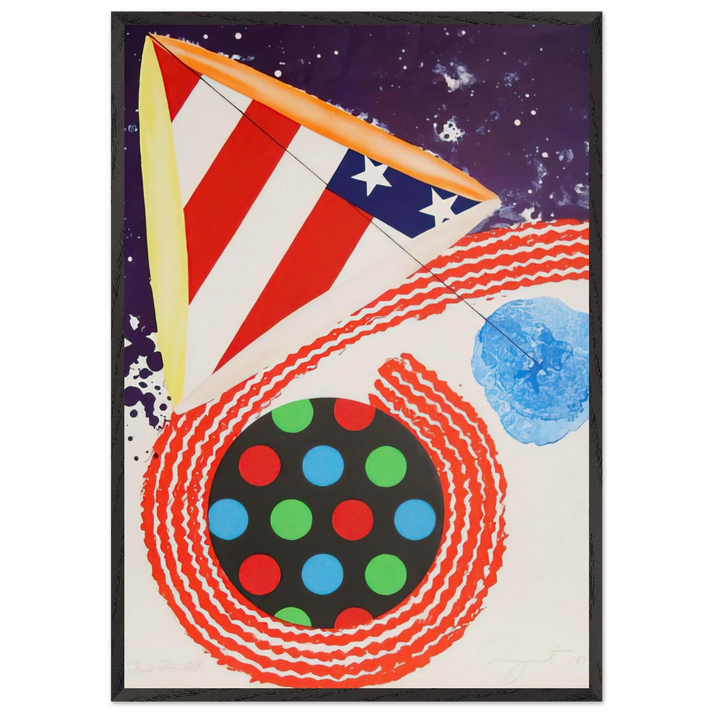
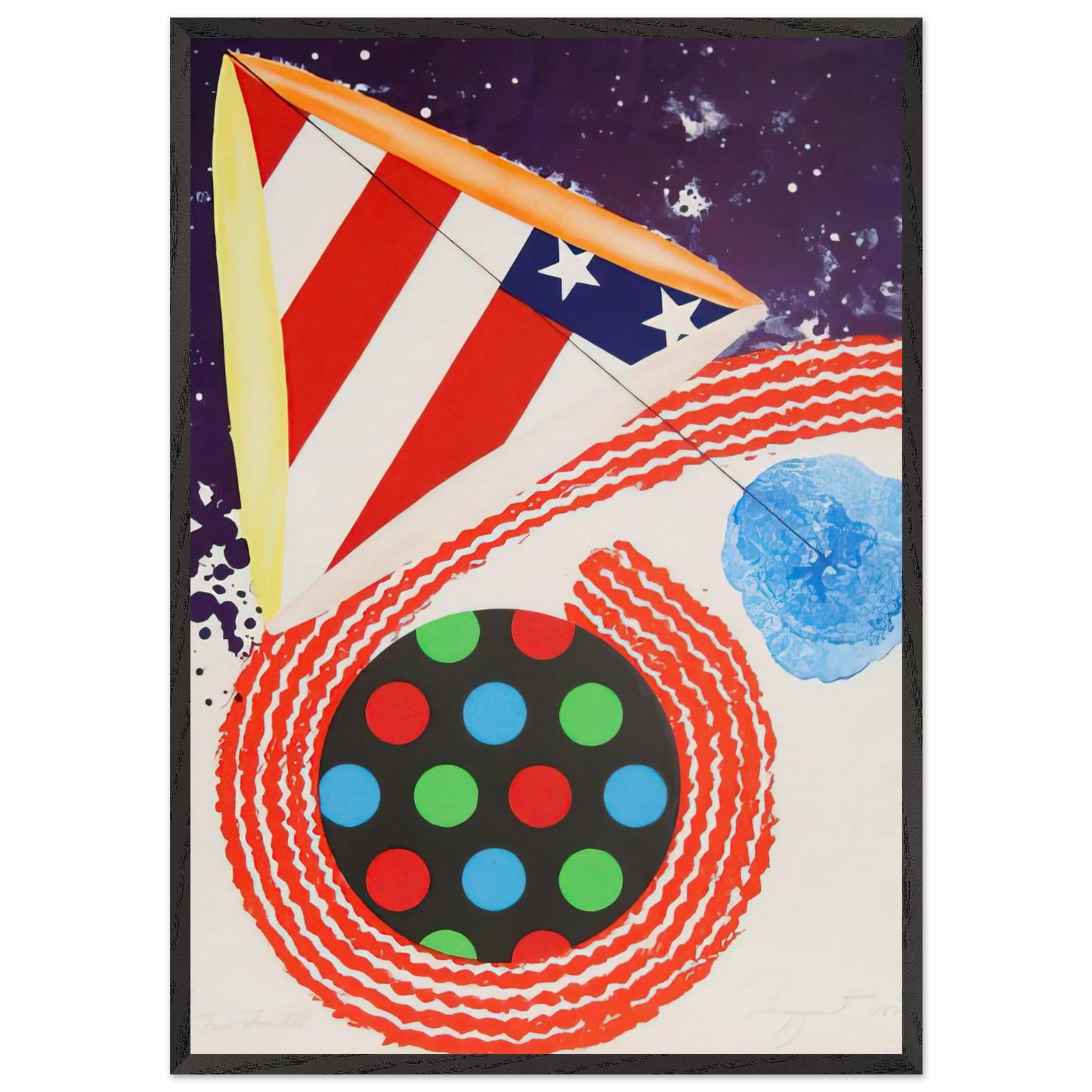
A Free for All - James Rosenquist 70x100 cm / 28x40 inches Framed Art Print – Black Wooden Frame
A Free for All - James Rosenquist 70x100 cm / 28x40 inches Framed Art Print – Black Wooden Frame
Couldn't load pickup availability
Experience the Pulse of American Pop Art with James Rosenquist
Immerse your space in the vibrant, fragmented world of James Rosenquist with this museum-quality reproduction of 'A Free for All'. As a central figure in the Pop Art movement, Rosenquist revolutionized contemporary art by applying the techniques of billboard painting to the canvas, creating dreamlike, large-scale compositions that critique and celebrate consumer culture. This 70x100 cm framed art print captures every nuance of his complex visual language, offering a window into the surrealist intersections of modern life.
Uncompromising Material Excellence
At RedKalion, we believe a masterpiece deserves an equally masterful presentation. This print is produced on 250 gsm (110 lb) archival museum-quality paper, ensuring a natural white, matte finish that eliminates glare and preserves color depth for decades. The uncoated texture provides an authentic feel, typical of high-end gallery editions. To protect the integrity of the artwork, we utilize shatterproof plexiglass, providing crystal-clear visibility while safeguarding against environmental damage.
Curated Framing and Sustainability
Each James Rosenquist print is encased in a premium black frame crafted from responsibly sourced ash wood. Our frames are designed with a 20mm (0.79") thickness and width, providing a more substantial and luxurious presence on your wall than the industry-standard 14mm frames. We are committed to sustainability, using FSC-certified materials to ensure your art choice supports global forest conservation.
- Ready to Hang: Includes a high-quality hanging kit for immediate installation.
- Archival Longevity: Acid-free paper prevents yellowing or degradation over time.
- Sophisticated Aesthetic: The deep black wooden finish complements the bold primary colors of the Rosenquist palette.
By choosing RedKalion, you are investing in an archival-grade piece that bridges the gap between historical significance and contemporary interior design. Elevate your collection with a work that endures.
Discover Unlimited Art Possibilities
At RedKalion, you can find virtually any artwork from any artist, available in a wide range of sizes to perfectly match your space.
If you didn’t find what you’re looking for, contact us at support@redkalion.com . We will source any artwork and produce it in any size and format you need, including art prints, posters, canvas, framed pieces, framed canvas, and more.
For dedicated art enthusiasts, we also offer handcrafted replicas of any artwork, carefully painted by highly skilled artists using traditional techniques.
For custom requests, contact us at support@redkalion.com .
What makes this James Rosenquist print museum-quality?
We use 250 gsm (110 lb) archival-grade, natural white paper with a matte finish. This ensures the colors remain vibrant and the paper does not yellow over time, meeting the rigorous standards of art collectors and galleries.
How thick is the black wooden frame?
Our frames are 20mm (0.79") thick and wide. This profile is intentionally wider than standard 14mm frames to provide a premium, gallery-style aesthetic that gives the artwork more presence on your wall.
Is the paper and frame sustainably sourced?
Yes. RedKalion uses FSC-certified wood for our frames and paper. This ensures that the materials for your fine art print are sourced responsibly from managed forests that provide environmental and social benefits.
Does the print come ready to hang?
Absolutely. Every framed art print includes a pre-installed hanging kit. The shatterproof plexiglass ensures the piece is lightweight and safe to hang immediately upon arrival in any home or office environment.
How long will this archival print last?
When kept out of direct sunlight, our museum-quality, acid-free paper and pigment-based printing process are designed to last for over 100 years without significant fading or deterioration of the paper fibers.
What is the historical significance of 'A Free for All'?
Created in the mid-1970s, this work showcases Rosenquist's mastery of fragmentation. It reflects the sensory overload of the era, combining disparate images to challenge the viewer's perception of commercialism and political reality through a Pop Art lens.
How did Rosenquist's billboard painting background affect this work?
Rosenquist used his skills as a commercial billboard painter to apply smooth, industrial gradients and massive scales to fine art. In 'A Free for All', this is evident in the precise execution of mundane objects rendered with surreal intensity.