
RedKalion
À Gerald Manley Hopkins - 1958 - Simon Hantai Acrylic Print - 70x100 cm / 28x40″ inches | Simon Hantai Wall Art | Simon Hantai Prints
À Gerald Manley Hopkins - 1958 - Simon Hantai Acrylic Print - 70x100 cm / 28x40″ inches | Simon Hantai Wall Art | Simon Hantai Prints
Couldn't load pickup availability
Elevate Your Space with Simon Hantaï’s Abstract Masterpiece
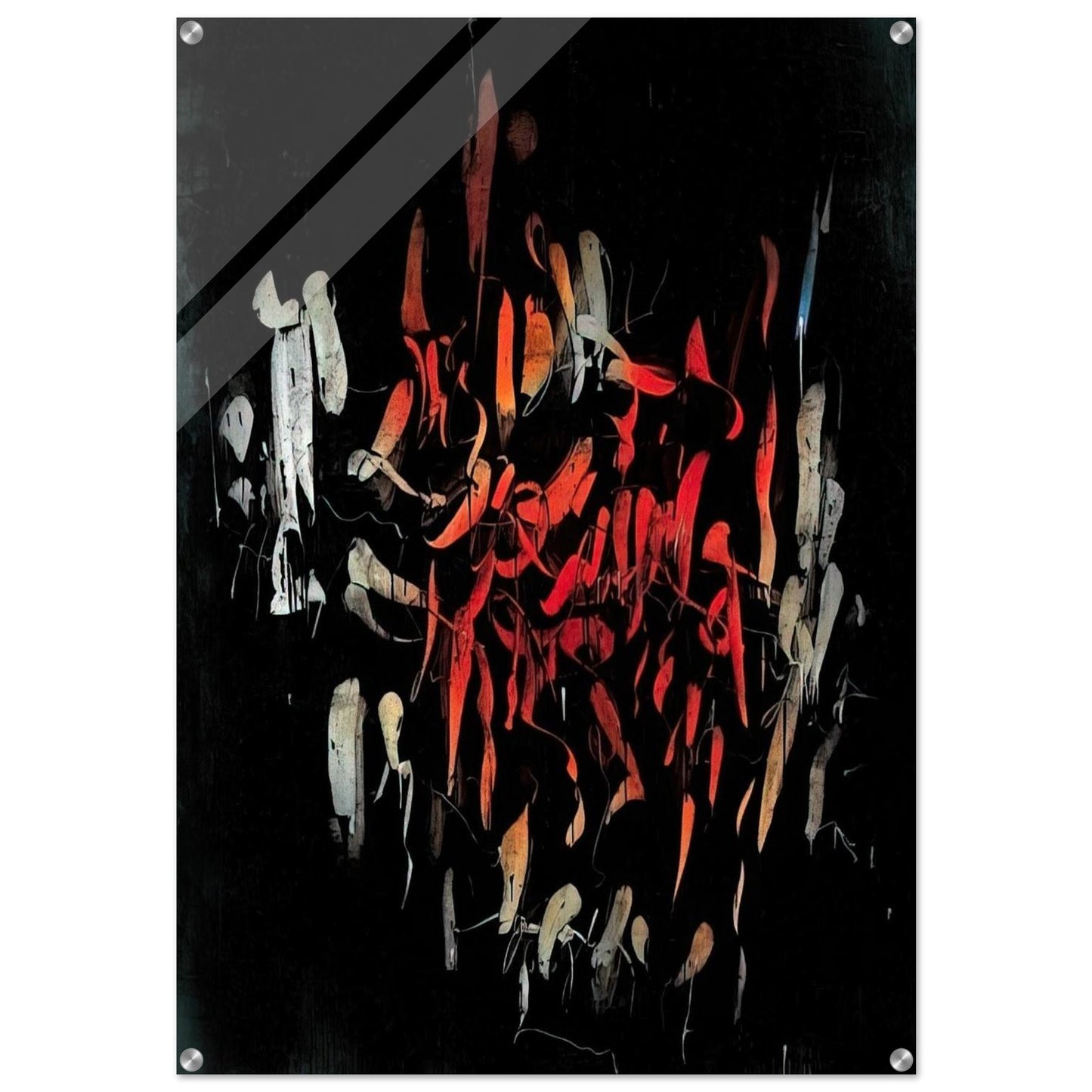
Immerse yourself in the profound complexity of À Gerald Manley Hopkins (1958), a seminal work by the visionary Hungarian-French artist Simon Hantaï. This museum-quality reproduction captures the rhythmic intensity and calligraphic depth of Hantaï's 'écriture' period. As a cornerstone of postwar abstraction, this piece serves as a bridge between surrealist roots and the later, world-renowned pliage (folding) technique that defined Hantaï's career.
Artistic Insight: The Intersection of Poetry and Paint
In 1958, Simon Hantaï was deeply engaged with the dense, liturgical, and nature-inspired poetry of Gerard Manley Hopkins. This Simon Hantaï print reflects that obsession, featuring a meticulous layering of marks that create a sense of infinite space and spiritual vibration. Our fine art print preserves every nuance of the original's gestural energy, offering a window into the mind of an artist who sought to transcend the canvas.
The RedKalion Standard: Museum-Quality Acrylic Presentation
At RedKalion, we curate archival-grade reproductions that honor the integrity of the original work. This Simon Hantaï wall art is rendered on premium 4mm (0.15") acrylic, providing a depth and luminosity that traditional paper cannot match. The sleek, straight-cut corners and vibrant clarity transform the artwork into a modern focal point, ensuring it endures as a centerpiece in your collection.
Technical Specifications & Installation
- Dimensions: 70x100 cm (28x40″ inches), a commanding presence for sophisticated interiors.
- Premium Build: 4mm thick acrylic for a durable, high-gloss finish.
- Mounting Excellence: Each print includes a comprehensive hanging kit with four screws and pre-drilled holes (14mm from edges) for effortless, secure installation.
- Visual Integrity: Any transparent background areas default to a crisp white, ensuring optimal color saturation and contrast.
Invest in an archival masterpiece that combines historical significance with contemporary craftsmanship. Let this Simon Hantaï reproduction bring the spirit of mid-century Parisian avant-garde into your home.
Discover Unlimited Art Possibilities
At RedKalion, you can find virtually any artwork from any artist, available in a wide range of sizes to perfectly match your space.
If you didn’t find what you’re looking for, contact us at support@redkalion.com . We will source any artwork and produce it in any size and format you need, including art prints, posters, canvas, framed pieces, framed canvas, and more.
For dedicated art enthusiasts, we also offer handcrafted replicas of any artwork, carefully painted by highly skilled artists using traditional techniques.
For custom requests, contact us at support@redkalion.com .
What makes this Simon Hantaï print unique?
This reproduction captures the rare 1958 'écriture' phase of Hantaï's career. Using high-definition printing on 4mm acrylic, RedKalion ensures the calligraphic details and tonal depths are preserved with museum-quality precision, unlike standard posters.
What are the benefits of the 4mm acrylic material?
Our 4mm acrylic offers superior vibrancy and a sophisticated, glass-like finish. It is highly durable, shatter-resistant, and provides a sleek, modern aesthetic with straight-cut corners that elevate any interior space.
How is the artwork packaged for shipping?
We use heavy-duty, protective packaging specifically designed for fine art. Each acrylic print is secured with protective layers to ensure it arrives at your door in pristine, gallery-ready condition.
How long will this archival-grade print last?
Designed for longevity, our acrylic prints utilize UV-resistant inks and archival-grade materials. This ensures the colors remain vibrant and the material stays clear for decades, resisting fading and environmental wear.
Does the print come with hanging hardware?
Yes, each print includes a premium hanging kit. It features pre-drilled holes at each corner (14mm from the edge) and high-quality screws for a secure and professional floating-effect installation.
Who was Gerard Manley Hopkins in relation to Hantaï?
Gerard Manley Hopkins was a 19th-century Jesuit priest and poet. Hantaï was deeply inspired by Hopkins' complex linguistic rhythms, translating the poet's 'inscape' concept into visual, dense abstractions during the late 1950s.
What is the significance of the 1958 period in Hantaï's career?
1958 marks Hantaï’s transition from Surrealism toward pure abstraction. It represents his intense focus on repetitive, meditative mark-making before he fully developed his famous folding (pliage) method in the 1960s.