RedKalion
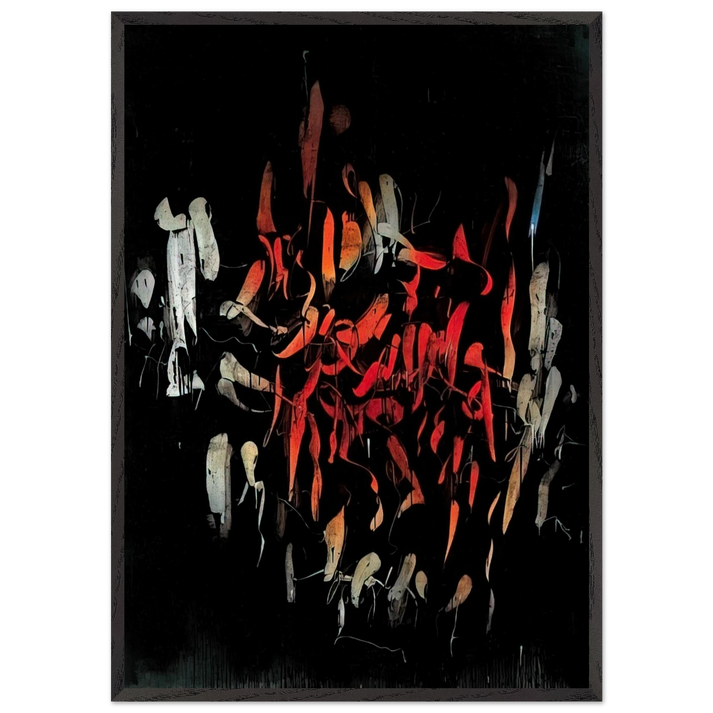
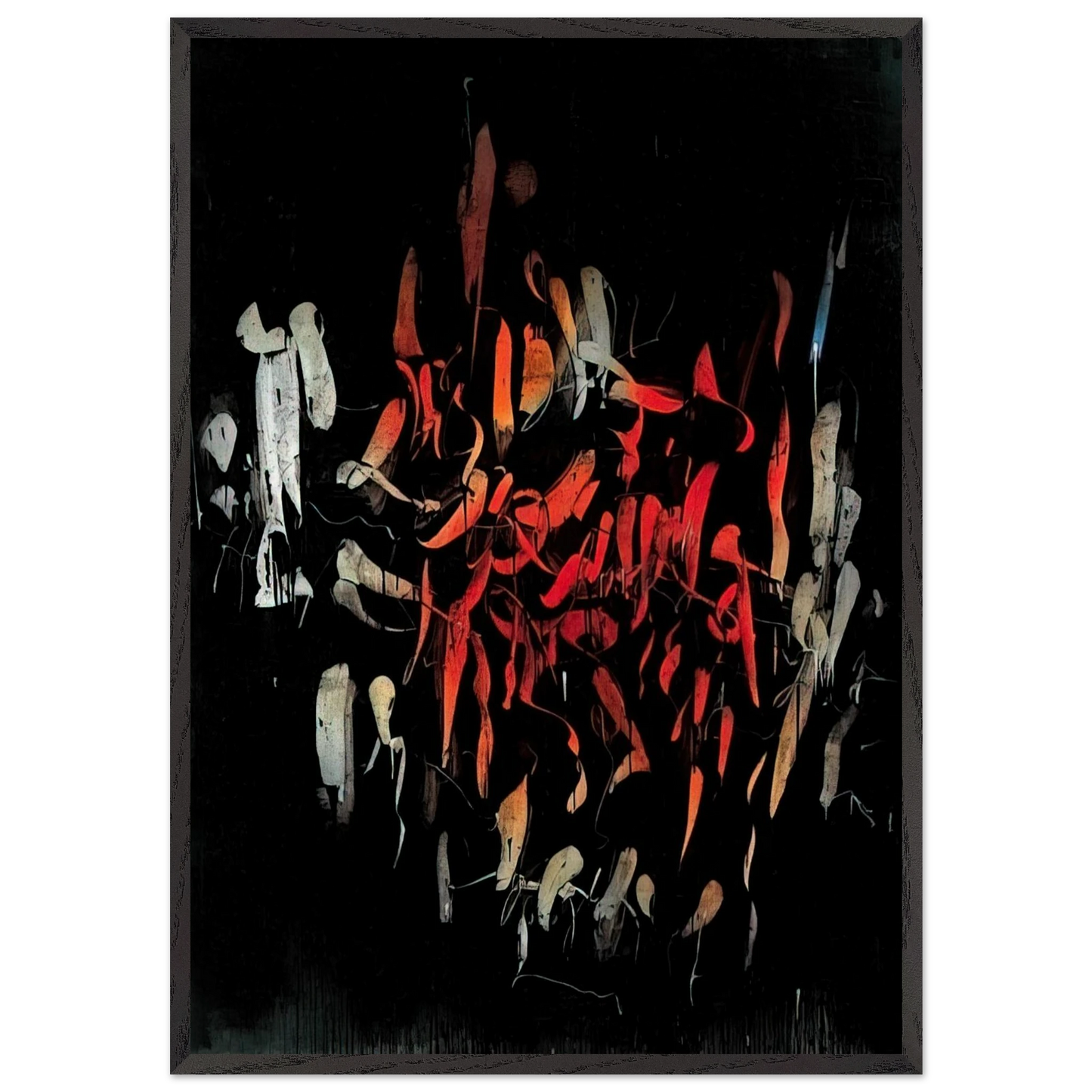
A Gerald Manley Hopkins - 1958 - Simon Hantai 70x100 cm / 28x40 inches Framed Art Print – Black Wooden Frame
A Gerald Manley Hopkins - 1958 - Simon Hantai 70x100 cm / 28x40 inches Framed Art Print – Black Wooden Frame
Couldn't load pickup availability
Elevate Your Space with Simon Hantaï’s Abstract Masterpiece
Experience the profound depth of Simon Hantaï’s 'A Gerald Manley Hopkins' (1958), a pivotal work that captures the intersection of mid-century abstraction and poetic inspiration. This museum-quality reproduction honors the legacy of one of the 20th century’s most innovative artists, known for his unique pliage (folding) technique. In this 1958 composition, Hantaï moves away from Surrealism toward a dense, rhythmic abstraction that mirrors the 'sprung rhythm' of the Victorian poet Gerald Manley Hopkins, creating a visual landscape that is both intellectual and visceral.
Archival Quality Meets Contemporary Elegance
At RedKalion, we curate only the finest materials to ensure your fine art print remains a focal point for generations. This 70x100 cm (28x40 inches) masterpiece is printed on 250 gsm (110 lb) archival museum-quality paper. The natural white, matte, and uncoated finish provides a sophisticated texture that eliminates glare, allowing the intricate details of Hantaï’s brushwork to shine with authentic clarity. Encased in a premium black wooden frame crafted from responsibly sourced ash, the 20mm thick profile offers a more substantial, luxurious presence than standard gallery frames.
A Commitment to Craftsmanship and Sustainability
Our commitment to excellence extends to the protection and presentation of your artwork. Each print is shielded by shattherproof plexiglass, ensuring safety without compromising on visibility. The frame arrives ready-to-hang with a professional hanging kit included, allowing for an effortless installation. By choosing this FSC-certified framed print, you are investing in sustainable luxury that brings the authority of a world-class gallery directly into your home or office.
Discover Unlimited Art Possibilities
At RedKalion, you can find virtually any artwork from any artist, available in a wide range of sizes to perfectly match your space.
If you didn’t find what you’re looking for, contact us at support@redkalion.com . We will source any artwork and produce it in any size and format you need, including art prints, posters, canvas, framed pieces, framed canvas, and more.
For dedicated art enthusiasts, we also offer handcrafted replicas of any artwork, carefully painted by highly skilled artists using traditional techniques.
For custom requests, contact us at support@redkalion.com .
What makes the paper quality 'museum-grade'?
We use 250 gsm (110 lb) natural white, uncoated paper. Its archival properties ensure it won't yellow or degrade over time, preserving the vibrant details of the Simon Hantai print for decades.
Is the frame made of real wood?
Yes, our frames are crafted from responsibly sourced, FSC-certified oak and ash wood. The black finish provides a sleek, contemporary look with a 20mm thickness for a premium gallery feel.
How is the artwork protected during shipping?
Your framed art is secured with shatterproof plexiglass and packaged in robust, protective materials to ensure it arrives in pristine condition. It also comes with a ready-to-hang kit.
What is the archival longevity of this print?
Designed to last a lifetime, our prints utilize acid-free paper and UV-resistant materials, meeting the highest standards for archival-grade fine art reproductions in residential or professional settings.
Is this product environmentally friendly?
Absolutely. We use FSC-certified wood and paper or equivalent sustainable materials, ensuring that your art collection supports responsible forest management and environmental stewardship.
Who was the artist Simon Hantaï?
Simon Hantaï was a Hungarian-born French artist famous for inventing the 'pliage' technique. He is a central figure in post-war abstraction, blending surrealist roots with experimental, rhythmic compositions.
Why is this piece named after Gerald Manley Hopkins?
Hantaï was deeply inspired by the Victorian poet's concept of 'inscape' and his complex linguistic rhythms. This 1958 work translates the energy of Hopkins' poetry into a dense, visual abstract language.