RedKalion
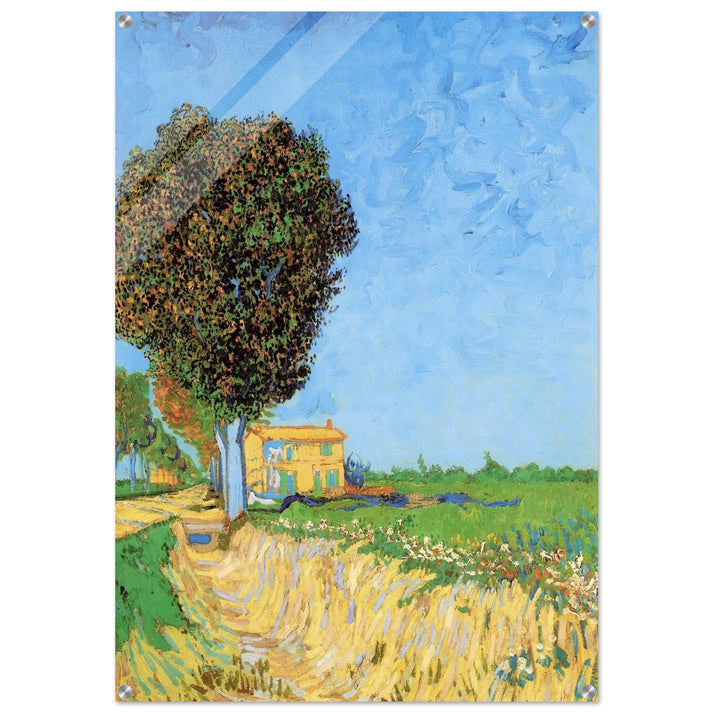
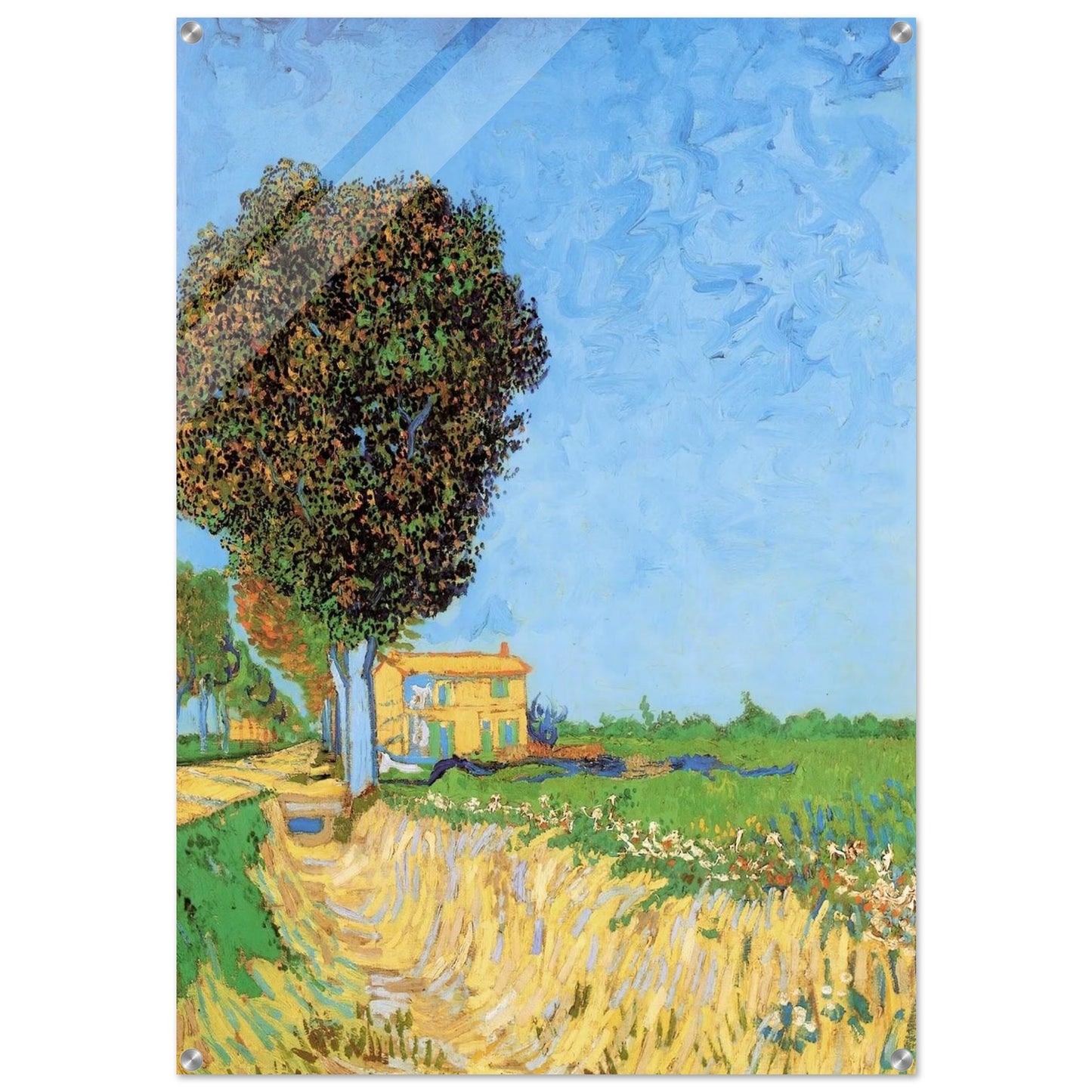
A Lane near Arles - Vincent van Gogh Acrylic Print - 70x100 cm / 28x40″ inches
A Lane near Arles - Vincent van Gogh Acrylic Print - 70x100 cm / 28x40″ inches
Couldn't load pickup availability
Immerse Yourself in the Provençal Light: A Lane near Arles
Painted during the height of his creative fervor in May 1888, A Lane near Arles captures Vincent van Gogh’s profound fascination with the vibrant atmosphere of the South of France. This fine art print showcases the artist's transition toward his iconic Post-Impressionist style, utilizing bold, rhythmic brushstrokes and a palette of warm ochres and brilliant blues to define the rural landscape of the Provence region.
At RedKalion, we have meticulously reproduced this masterpiece on 4mm (0.15") acrylic, a medium that enhances the depth and luminosity of Van Gogh’s original colors. The sleek, straight-cut corners and transparent finish create a radiant, modern effect that breathes new life into the historical composition, ensuring that every nuance of the artist's technique is visible.
- Museum-Quality Reproduction: High-definition printing ensures every impasto-like detail and color gradient is preserved.
- Premium Durability: The 4mm acrylic provides a vibrant, shatter-resistant finish that protects the 70x100 cm artwork from the elements.
- Professional Presentation: Includes a complete hanging kit with screws and pre-drilled holes at each corner for a secure, sophisticated mount.
By choosing this museum-quality reproduction, you are not merely decorating a wall; you are curating an atmosphere of historical significance. Elevate your space with an archival masterpiece that endures, as RedKalion positions itself as your definitive partner in premium, gallery-grade art.
Discover Unlimited Art Possibilities
At RedKalion, you can find virtually any artwork from any artist, available in a wide range of sizes to perfectly match your space.
If you didn’t find what you’re looking for, contact us at support@redkalion.com . We will source any artwork and produce it in any size and format you need, including art prints, posters, canvas, framed pieces, framed canvas, and more.
For dedicated art enthusiasts, we also offer handcrafted replicas of any artwork, carefully painted by highly skilled artists using traditional techniques.
For custom requests, contact us at support@redkalion.com .
What materials are used for this Van Gogh print?
This reproduction is crafted using 4mm (0.15") high-grade acrylic, offering a sleek, vibrant, and durable finish that protects the artwork while enhancing color depth and clarity for a museum-quality appearance.
How do I mount this 70x100 cm acrylic art?
Each print includes a professional hanging kit with screws. The acrylic features pre-drilled holes 14mm from the edge at each corner, designed for a 15mm screw head to ensure a secure and modern display.
Is the image quality suitable for this large format?
Yes, RedKalion uses ultra-high-resolution files to ensure that even at 70x100 cm, every brushstroke and texture of Van Gogh's original 'A Lane near Arles' remains crisp and defined.
How does RedKalion ensure shipping safety?
We utilize specialized, high-durability packaging designed for premium acrylic prints. Each piece is securely fastened and cushioned to ensure it arrives in pristine, gallery-ready condition at your doorstep.
Will the colors fade over time?
Our archival-grade printing process and UV-resistant acrylic properties ensure that the vibrant yellows and blues of this Van Gogh masterpiece remain vivid and resistant to fading for decades.
When did Van Gogh paint 'A Lane near Arles'?
Vincent van Gogh painted 'A Lane near Arles' in May 1888. This period in Arles is considered his most prolific, characterized by his unique mastery of Provençal light and color.
What artistic movement does this piece belong to?
This artwork is a quintessential example of Post-Impressionism. It demonstrates Van Gogh's departure from realistic color palettes in favor of emotional expression through bold, contrasting hues and rhythmic brushwork.