
RedKalion
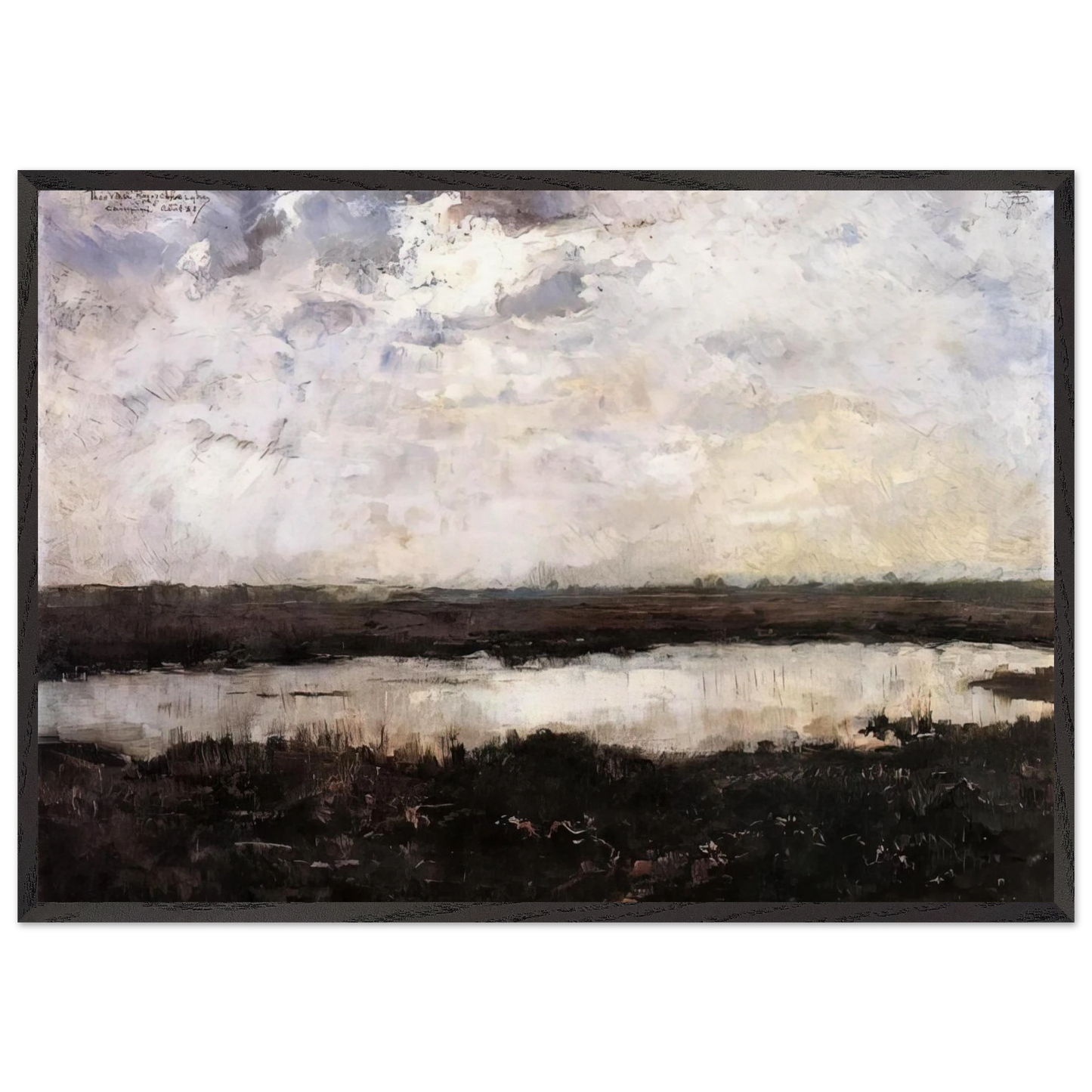
A POND IN CAMPINE 1884 - Theo van Rysselberghe 70x100 cm / 28x40 inches Framed Art Print – Black Wooden Frame
A POND IN CAMPINE 1884 - Theo van Rysselberghe 70x100 cm / 28x40 inches Framed Art Print – Black Wooden Frame
Couldn't load pickup availability
A Pond in Campine (1884) by Theo van Rysselberghe: A Glimpse into Belgian Luminism
In 1884, Theo van Rysselberghe was at the forefront of the Belgian avant-garde. A Pond in Campine serves as a profound testament to his mastery of light and atmosphere during a period of transition. This fine art print captures the serene beauty of the Kempen region, rendered with the delicate brushwork and nuanced color palette that would eventually lead the artist toward Pointillism. Owning this museum-quality reproduction allows you to bring a pivotal moment in European art history into your contemporary space.
At RedKalion, we treat every reproduction as an archival legacy piece. This artwork is printed on 250 gsm (110 lb) natural white paper with a matte, uncoated finish. This specific paper weight and thickness (0.29 mm) ensures that the subtle transitions in Van Rysselberghe's sky and water are preserved with exceptional depth and zero glare, offering an authentic museum-viewing experience.
Premium Framing and Professional Craftsmanship
Your 70x100 cm (28x40 inches) masterpiece is presented in a sophisticated black wooden frame, meticulously crafted from responsibly sourced oak and ash. Unlike standard retail frames, ours feature a robust 20mm (0.79") thickness and width, providing a substantial, gallery-style presence on your wall. Each print is shielded by shatterproof plexiglass, ensuring long-lasting clarity and protection against the elements.
- Artist: Theo van Rysselberghe (1862–1926)
- Title: A Pond in Campine (1884)
- Paper: 250 gsm archival museum-quality paper
- Frame: 20mm thick premium black wood (FSC-certified)
- Ready-to-hang: Includes hanging kit for immediate installation
By choosing RedKalion, you are investing in a sustainable, archival-grade reproduction that honors the original artist's vision while elevating your interior with an enduring sense of sophistication.
Discover Unlimited Art Possibilities
At RedKalion, you can find virtually any artwork from any artist, available in a wide range of sizes to perfectly match your space.
If you didn’t find what you’re looking for, contact us at support@redkalion.com . We will source any artwork and produce it in any size and format you need, including art prints, posters, canvas, framed pieces, framed canvas, and more.
For dedicated art enthusiasts, we also offer handcrafted replicas of any artwork, carefully painted by highly skilled artists using traditional techniques.
For custom requests, contact us at support@redkalion.com .
What are the dimensions and frame specifications for this print?
This print measures 70x100 cm (28x40 inches). It features a premium black wooden frame made from oak or ash, measuring 20mm in both width and thickness, providing a sturdy and elegant gallery aesthetic.
What kind of paper is used for this fine art reproduction?
We use 250 gsm (110 lb) natural white, archival-grade paper. It has a matte, uncoated finish and a thickness of 0.29 mm, ensuring high-contrast details and museum-quality longevity without glare.
How is the artwork protected and shipped?
Each framed print is protected by shatterproof, transparent plexiglass. It is securely packaged to ensure it arrives in pristine condition and includes a hanging kit for immediate installation.
Are the materials used for the frame and paper sustainable?
Yes, RedKalion uses FSC-certified wood and paper (or equivalent certifications), ensuring that your artwork is as environmentally responsible as it is beautiful.
How long will this archival print last without fading?
Printed on archival museum-quality paper with premium inks, this reproduction is designed to resist yellowing and fading for decades, maintaining its original vibrancy when kept out of direct sunlight.
What artistic movement does 'A Pond in Campine' represent?
Created in 1884, this piece represents Belgian Naturalism transitioning into Luminism. It showcases Van Rysselberghe’s early obsession with light, a precursor to his later mastery of Neo-Impressionist Pointillism.
What is the significance of the Campine region in this painting?
The Campine (or Kempen) region was a frequent subject for Belgian landscape painters. Van Rysselberghe used its quiet ponds and unique atmosphere to experiment with light reflections and tonal depth.