RedKalion
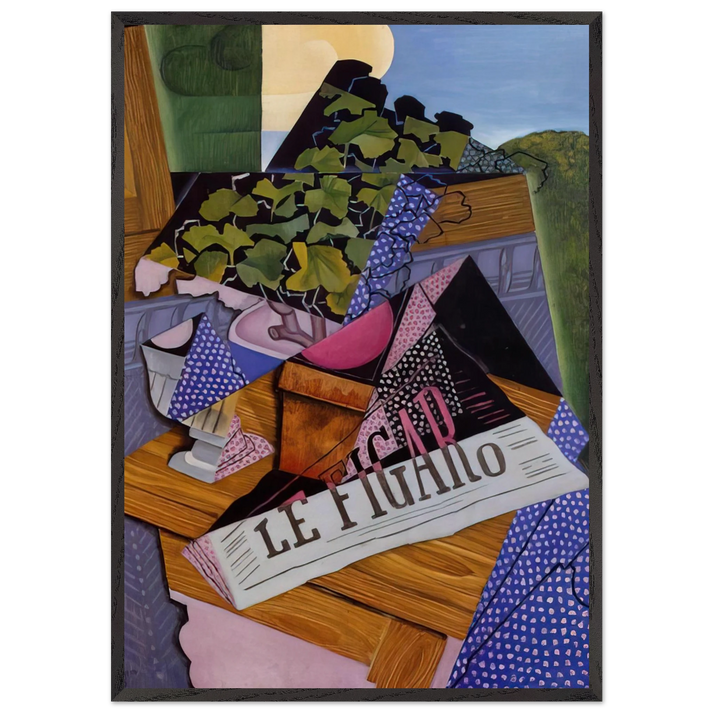
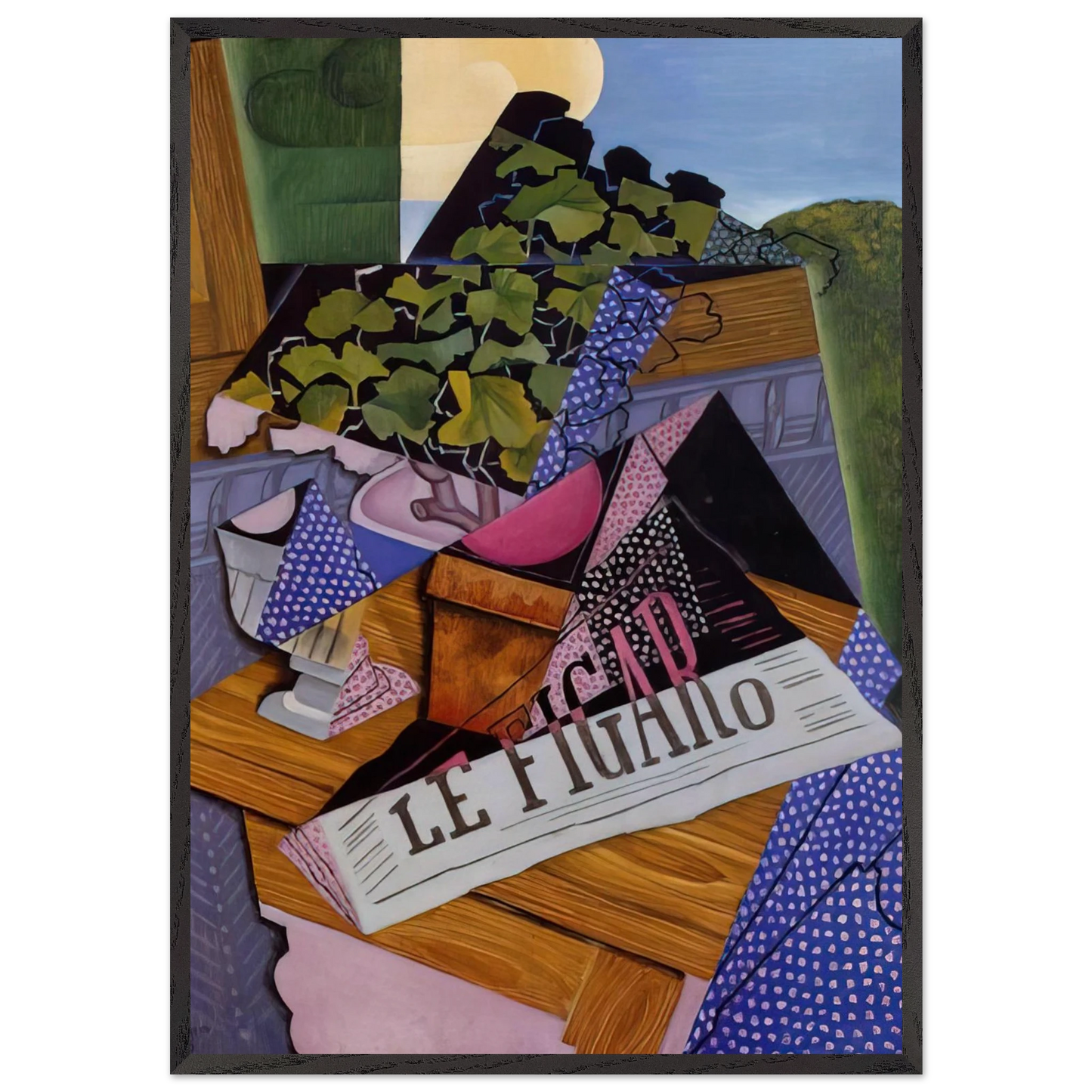
A POT OF GERANIUMS 1915 - Juan Gris 70x100 cm / 28x40 inches Framed Art Print – Black Wooden Frame
A POT OF GERANIUMS 1915 - Juan Gris 70x100 cm / 28x40 inches Framed Art Print – Black Wooden Frame
Couldn't load pickup availability
Elevate Your Space with Juan Gris’s A Pot of Geraniums (1915)
Experience the intellectual rigor and vibrant geometry of Juan Gris, a titan of the Cubist movement. His 1915 masterpiece, A Pot of Geraniums, represents the pinnacle of Synthetic Cubism. Unlike the fragmented Analytical Cubism of Picasso and Braque, Gris’s approach in this period focused on building a composition from flat planes of color and overlapping textures, creating a structured, architectural beauty that remains timeless.
This museum-quality fine art print captures the intricate dialogue between form and color that Gris perfected. At RedKalion, we curate our reproductions with an uncompromising commitment to archival integrity. Printed on 250 gsm (110 lb) natural white, matte, and uncoated paper, every hue and geometric edge is rendered with clarity, ensuring the work retains its historical gravity while fitting seamlessly into a modern interior.
Premium Archival Specifications
- Museum-Grade Paper: 250 gsm weight with a 0.29 mm thickness for a heavy, professional feel that resists warping.
- Sustainably Crafted: We utilize FSC-certified wood for our frames, reflecting our commitment to environmental responsibility.
- Robust Framing: Encased in a 20mm (0.79") wide black wooden frame crafted from solid oak or ash, providing a deeper profile than standard commercial frames.
- Ultimate Protection: Each piece is shielded by shatterproof plexiglass, preserving the artwork against UV rays and physical wear.
- Ready-to-Hang: Your 70x100 cm print arrives with a professional hanging kit included, allowing for immediate installation.
Invest in a piece of art history. This RedKalion reproduction of A Pot of Geraniums is more than a decorative element; it is an enduring tribute to the avant-garde spirit of the early 20th century, meticulously crafted to last for generations.
Discover Unlimited Art Possibilities
At RedKalion, you can find virtually any artwork from any artist, available in a wide range of sizes to perfectly match your space.
If you didn’t find what you’re looking for, contact us at support@redkalion.com . We will source any artwork and produce it in any size and format you need, including art prints, posters, canvas, framed pieces, framed canvas, and more.
For dedicated art enthusiasts, we also offer handcrafted replicas of any artwork, carefully painted by highly skilled artists using traditional techniques.
For custom requests, contact us at support@redkalion.com .
What makes the paper quality museum-grade?
We use 250 gsm (110 lb) archival museum-quality paper. It is natural white, uncoated, and acid-free, ensuring your fine art print maintains its color integrity and physical structure without yellowing over time.
How is the frame constructed?
Our frames are made from responsibly sourced solid oak or ash. Each frame is 20mm wide and thick, offering a premium, substantial presence on your wall compared to thinner mass-produced alternatives.
Is the artwork ready to hang upon delivery?
Yes. Every framed print includes a pre-installed hanging kit. The shatterproof plexiglass ensures the piece is safe during transit and ready for immediate display in your home or gallery.
Is this print produced sustainably?
Absolutely. RedKalion uses FSC-certified materials or equivalent sustainable standards, ensuring that both the premium paper and the wooden frames are produced with the health of the planet in mind.
How does the plexiglass compare to standard glass?
We utilize high-quality shatterproof plexiglass. It provides superior clarity, is significantly lighter than glass, and offers enhanced protection against breakage while guarding the Juan Gris print from environmental damage.
Why is 1915 a significant year for Juan Gris?
1915 was a pivotal year for Gris as he transitioned into Synthetic Cubism. During this time, his work became more colorful and mathematically structured, moving away from purely abstract fragmentation into recognizable, rhythmic compositions.
What is the significance of the geranium subject in Cubism?
Still life objects like geraniums allowed Cubists to explore the relationship between organic life and geometric structure. Gris used the pot of flowers to contrast natural curves with the sharp, intersecting planes of his revolutionary style.