

RedKalion
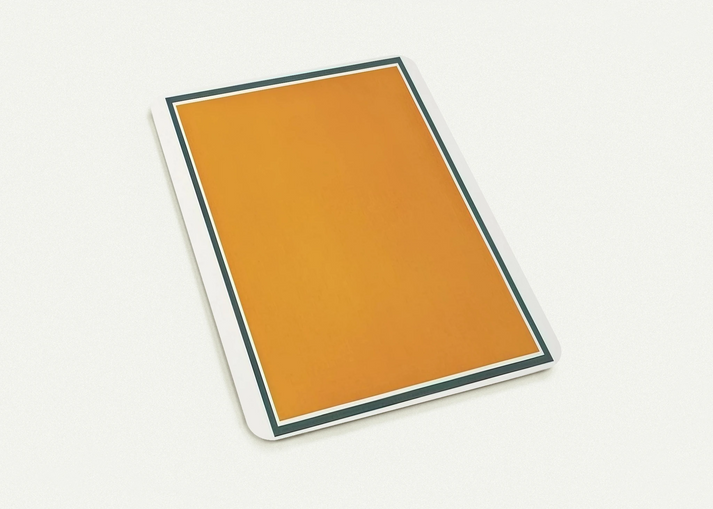
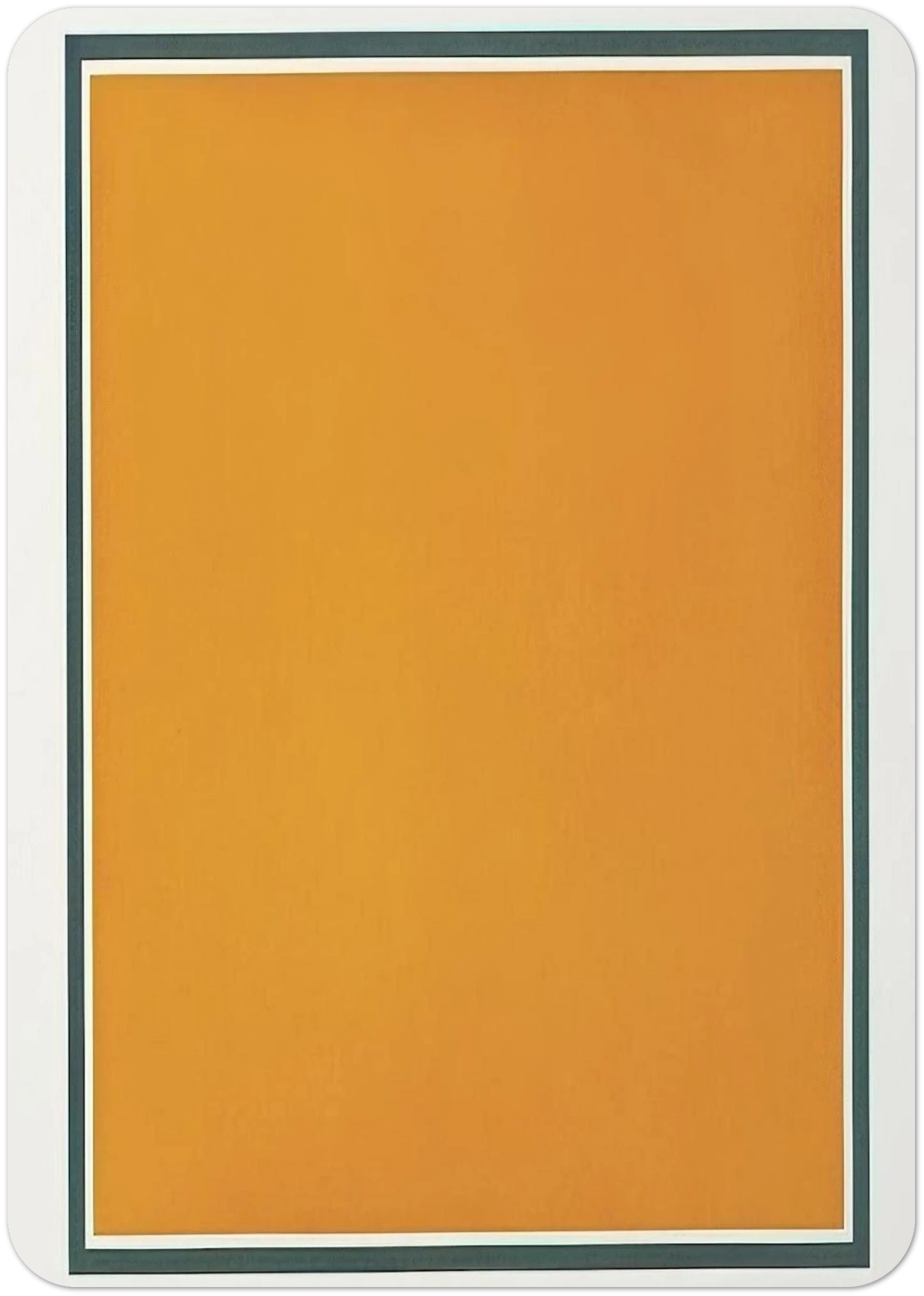
A Square With Colors Superimposed Within a Border By Sol LeWitt Pack of 10 Post Cards | Sol LeWitt Post Cards | A6 (10.5 x 14.8 cm) - 4.1 x 5.8 inches
A Square With Colors Superimposed Within a Border By Sol LeWitt Pack of 10 Post Cards | Sol LeWitt Post Cards | A6 (10.5 x 14.8 cm) - 4.1 x 5.8 inches
Couldn't load pickup availability
Elevate Your Collection with Sol LeWitt’s Conceptual Brilliance
As a cornerstone of Minimalism and a pioneer of Conceptual Art, Sol LeWitt revolutionized the art world by asserting that the idea itself is the primary work of art. A Square With Colors Superimposed Within a Border is a masterclass in this philosophy, showcasing LeWitt's meticulous exploration of geometric logic and the additive properties of color. This series transforms simple primary and secondary hues into a sophisticated, layered composition that invites deep contemplation.
At RedKalion, we curate museum-quality reproductions that honor the intellectual rigor of the original piece. This pack of 10 flat postcards allows you to share a fragment of art history or curate a miniature gallery within your own home. Each print serves as a tactile encounter with the geometric precision that defined 20th-century modernism.
Archival Quality and Technical Excellence
To capture the vibrant chromatic depth of LeWitt’s vision, we utilize state-of-the-art 12-color fine art printing technology. This method far exceeds standard inkjet processes, ensuring that the superimposed colors maintain their clarity, accuracy, and stunning vibrancy. Your collection is printed on FSC-certified, eco-friendly paper, reflecting our commitment to both art and the environment.
- Paper Weight: Substantial 200 gsm (80 lb) for a premium, heavy-duty feel.
- Paper Finishing: A smooth matte finish that eliminates glare, allowing the colors to resonate without distraction.
- Dimensional Precision: 0.26 mm (10.3 mils) thickness, providing the rigidity expected of high-end stationery.
- Sustainable Production: Printed on demand with no minimum orders, reducing environmental impact and ensuring peak quality control.
By choosing RedKalion, you are investing in an archival-grade reproduction designed to endure. Transform your correspondence into a statement of sophistication with these museum-quality Sol LeWitt postcards.


Discover Unlimited Art Possibilities
At RedKalion, you can find virtually any artwork from any artist, available in a wide range of sizes to perfectly match your space.
If you didn’t find what you’re looking for, contact us at support@redkalion.com . We will source any artwork and produce it in any size and format you need, including art prints, posters, canvas, framed pieces, framed canvas, and more.
For dedicated art enthusiasts, we also offer handcrafted replicas of any artwork, carefully painted by highly skilled artists using traditional techniques.
For custom requests, contact us at support@redkalion.com .
What are the dimensions of these Sol LeWitt postcards?
Each postcard in this pack of 10 measures A6 size (10.5 x 14.8 cm or 4.1 x 5.8 inches). This size is perfect for traditional mailing or as a small-scale art print for framing.
What makes the 12-color printing technology superior for Sol LeWitt's work?
Our 12-color technology uses a wider ink gamut than standard printers, allowing for precise color matching and stunning depth. This is essential for capturing the subtle nuances of LeWitt's superimposed color layers.
What is the weight and finish of the paper used for these postcards?
These postcards are printed on 200 gsm (80 lb) paper with a thickness of 0.26 mm. They feature a smooth matte finish, providing a clean, professional, and glare-free appearance.
Are the materials used for these postcards environmentally friendly?
Yes. We use FSC-certified paper, which ensures that the wood pulp comes from responsibly managed forests. Our print-on-demand process also significantly reduces waste compared to mass production.
How long does it take to receive my order?
Because each set of Sol LeWitt postcards is printed on demand to ensure museum-quality standards, orders are typically processed within 2-4 business days before being shipped to your destination.
What is the significance of the "superimposed" colors in LeWitt's work?
LeWitt used superimposition to explore how simple geometric shapes and primary colors could create new visual complexities. The layering creates secondary and tertiary tones that emerge from a strictly logical, pre-determined system.
Why is Sol LeWitt considered a pioneer of Conceptual Art?
LeWitt famously argued that "the idea becomes a machine that makes the art." He prioritized the artist's initial concept and instructions over the physical execution, shifting the focus from the object to the intellect.