RedKalion
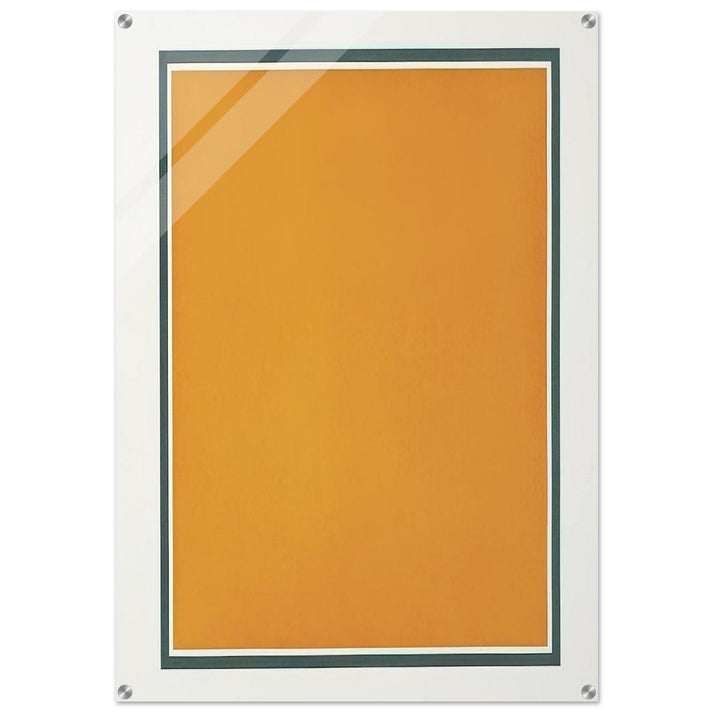
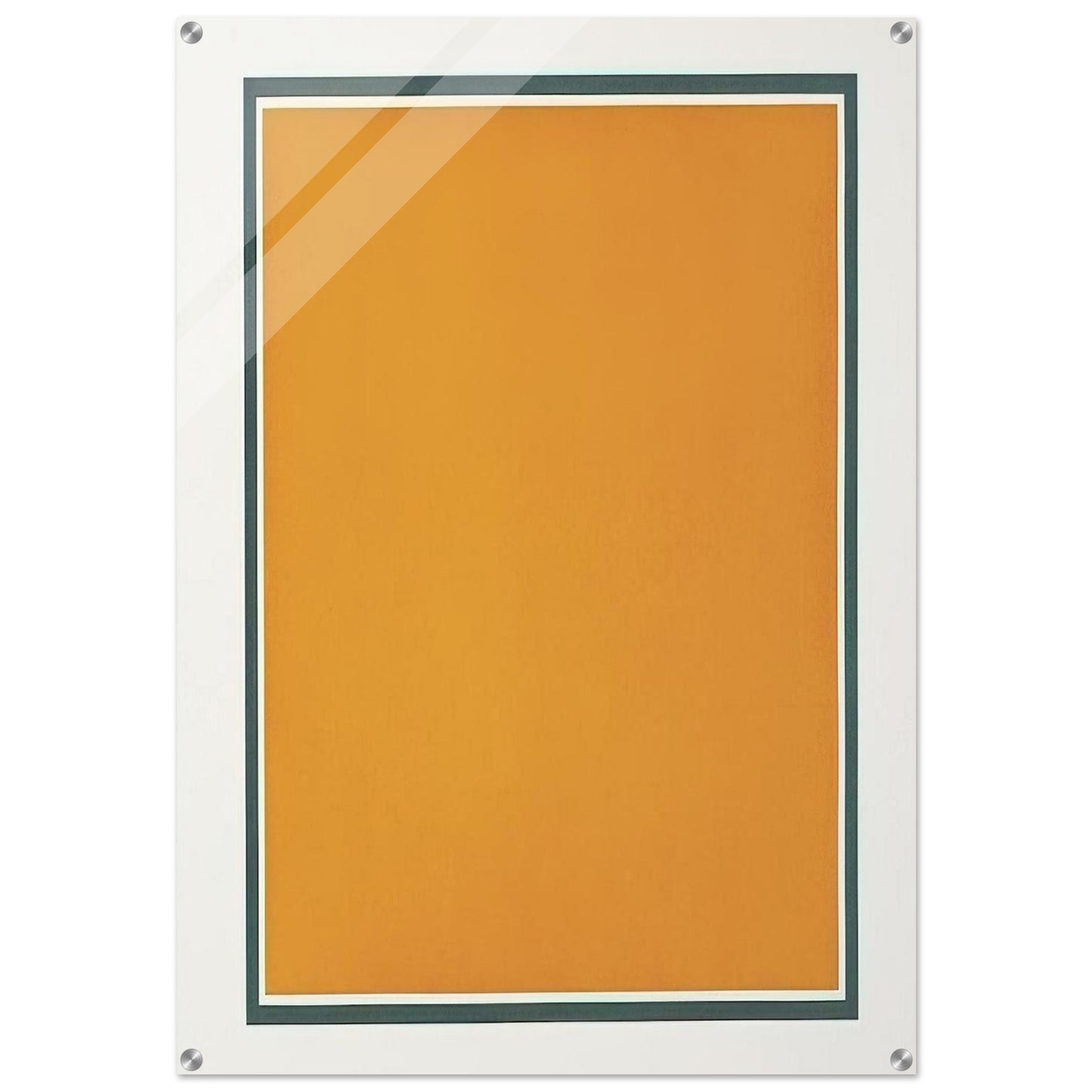
A Square With Colors Superimposed Within a Border - Sol LeWitt Acrylic Print - 70x100 cm / 28x40″ inches
A Square With Colors Superimposed Within a Border - Sol LeWitt Acrylic Print - 70x100 cm / 28x40″ inches
Couldn't load pickup availability
Conceptual Mastery: A Square With Colors Superimposed Within a Border by Sol LeWitt
Elevate your interior with a museum-quality reproduction of Sol LeWitt's iconic geometric exploration. A central figure in both Minimalism and Conceptual Art, LeWitt’s work is governed by logical systems and the pursuit of clarity. 'A Square With Colors Superimposed Within a Border' is a masterful study of layering, where primary and secondary tones intersect to create a sense of depth and vibration within a two-dimensional plane.
Archival Elegance on Premium Acrylic
At RedKalion, we believe world-class art deserves world-class presentation. This fine art print is rendered on a 4mm (0.15") high-grade acrylic panel, offering a depth and brilliance that traditional paper cannot match. The high-gloss finish enhances the vibrancy of LeWitt's color theory, while the straight-cut corners provide a sleek, contemporary edge suitable for the most discerning gallery-style displays.
Technical Specifications & Installation
- Material: 4mm (0.15") acrylic for a vibrant, durable, and shatter-resistant finish.
- Dimensions: 70x100 cm (28x40″), perfect for a bold architectural statement.
- Clarity: Transparent areas are printed with white backing to ensure optimal color saturation and opacity.
- Hanging Kit: Includes premium mounting hardware (screws) and pre-drilled holes at each corner (14mm from the edge, 8mm hole diameter) for a secure, floating presentation.
By choosing RedKalion, you are investing in an archival-grade reproduction. This piece is not merely decor; it is a meticulously crafted homage to the artist's original vision, designed to endure as an archival masterpiece in your collection.
Discover Unlimited Art Possibilities
At RedKalion, you can find virtually any artwork from any artist, available in a wide range of sizes to perfectly match your space.
If you didn’t find what you’re looking for, contact us at support@redkalion.com . We will source any artwork and produce it in any size and format you need, including art prints, posters, canvas, framed pieces, framed canvas, and more.
For dedicated art enthusiasts, we also offer handcrafted replicas of any artwork, carefully painted by highly skilled artists using traditional techniques.
For custom requests, contact us at support@redkalion.com .
What material is used for this Sol LeWitt reproduction?
We use 4mm (0.15") high-grade acrylic, which provides a vibrant, glass-like finish while remaining shatter-resistant and lightweight for secure mounting in any environment.
How do I install the acrylic print on my wall?
Each print includes a specialized hanging kit with screws. Pre-drilled 8mm holes are located 14mm from each corner, allowing for a stable and sophisticated modern installation.
Will the colors appear the same as the original artwork?
Yes. RedKalion uses archival inks to match LeWitt's specific palette. Transparent backgrounds are defaulted to white to ensure the superimposed colors remain bold and opaque.
How is the artwork protected during shipping?
Your fine art print is meticulously packaged in protective layers and shipped in high-strength crates to ensure it arrives in pristine, museum-ready condition.
What is the archival lifespan of an acrylic fine art print?
Acrylic prints are exceptionally durable. Our UV-resistant inks and 4mm acrylic shield the artwork from moisture and fading, ensuring clarity and color integrity for many decades.
What was Sol LeWitt's philosophy regarding this specific series?
LeWitt believed the 'idea' was the machine that makes the art. This series explores how mathematical systems and superimposed colors create visual complexity from basic geometric instructions.
Why is Sol LeWitt considered a pioneer of Conceptualism?
LeWitt shifted the focus from the artist's physical craftsmanship to the underlying concept. His use of geometric systems revolutionized how we define and experience modern intellectual art.