

RedKalion
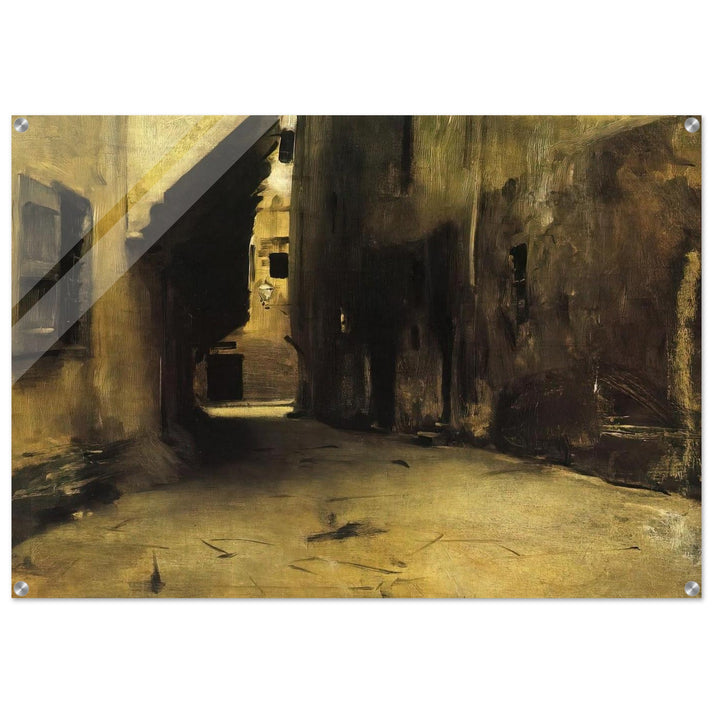
A Street in Venice - John Singer Sargent Acrylic Print - 70x100 cm / 28x40″ inches
A Street in Venice - John Singer Sargent Acrylic Print - 70x100 cm / 28x40″ inches
Couldn't load pickup availability
Capture the Atmospheric Allure of Venice
Experience the quiet, shadowed elegance of late 19th-century Italy with John Singer Sargent’s 'A Street in Venice'. This museum-quality reproduction, curated by RedKalion, brings one of Sargent's most evocative works to life in stunning detail. Painted in 1882, the original work captured a departure from typical Venetian vistas, focusing instead on the dramatic interplay of light and dark within a narrow alleyway. Our fine art acrylic print preserves every bravura brushstroke and subtle tonal shift of the master painter.
Museum-Grade Acrylic Craftsmanship
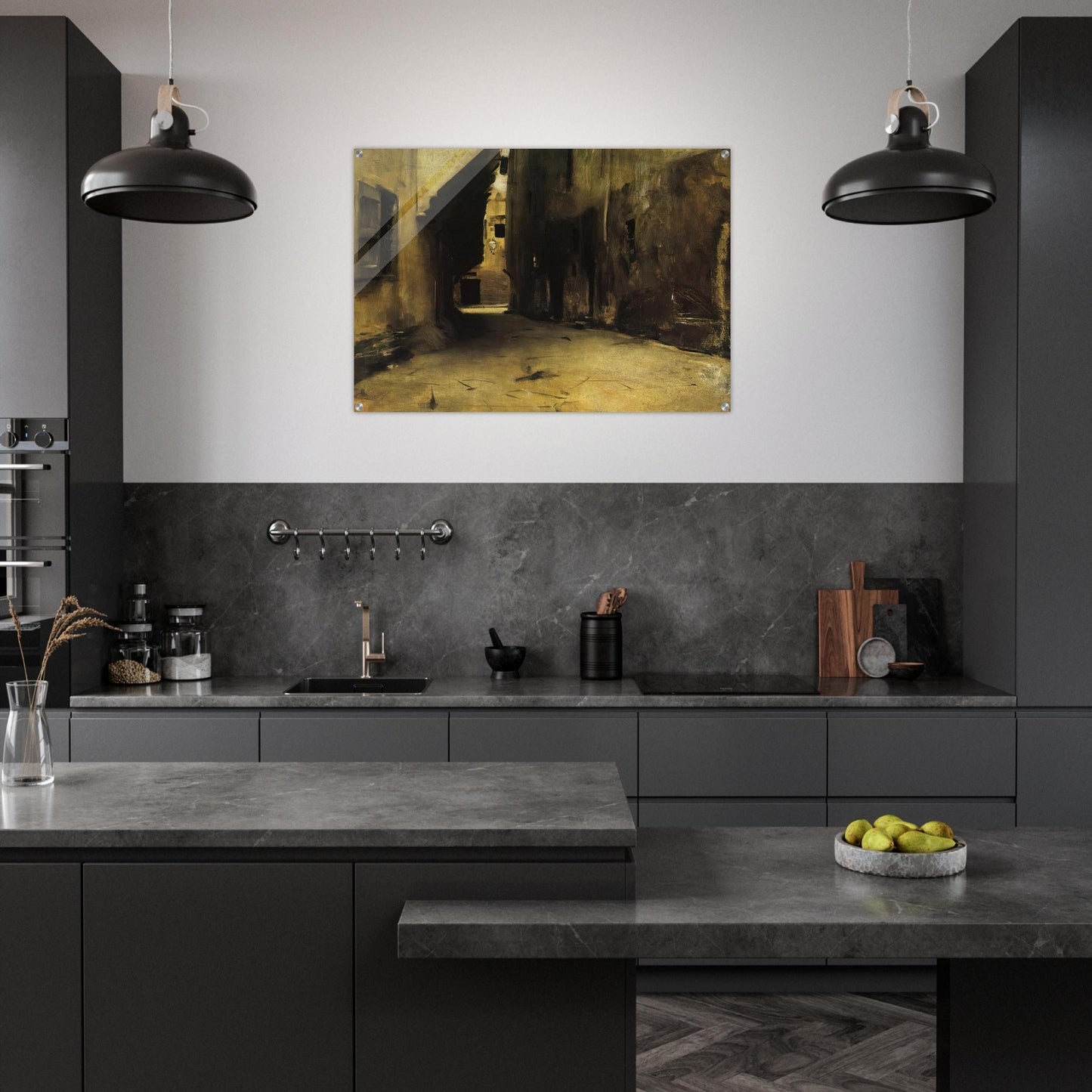
This 70x100 cm (28x40″) masterpiece is meticulously rendered on 4mm (0.15") high-grade acrylic. The material’s inherent properties enhance depth and color saturation, offering a sleek, vibrant finish that surpasses traditional glazing. Each piece features precision straight-cut corners for a contemporary aesthetic, ensuring the artwork remains the focal point of your space. To guarantee optimal presentation, any transparent backgrounds in the original file are defaulted to a crisp white, providing the necessary opacity for the colors to pop.
Historical Significance & Artistic Vision
John Singer Sargent was a master of capturing 'the moment.' In this piece, he utilizes a limited palette to create a sense of mystery and social narrative. By choosing an intimate backstreet over the Grand Canal, Sargent elevated the mundane to the extraordinary. At RedKalion, we believe such archival-grade reproductions should serve as enduring investments in culture. This print isn't just decoration; it is an exploration of light, shadow, and the enduring soul of Venice.
Ready for Installation
Your John Singer Sargent acrylic print arrives ready to transform your gallery wall. Each order includes a comprehensive hanging kit featuring premium hardware and screws. The print is pre-drilled with four 8mm (0.31") holes—one at each corner, positioned exactly 14mm (0.55") from the edge—designed to accommodate the included 15mm (0.6") screw heads for a secure and professional mount.


Discover Unlimited Art Possibilities
At RedKalion, you can find virtually any artwork from any artist, available in a wide range of sizes to perfectly match your space.
If you didn’t find what you’re looking for, contact us at support@redkalion.com . We will source any artwork and produce it in any size and format you need, including art prints, posters, canvas, framed pieces, framed canvas, and more.
For dedicated art enthusiasts, we also offer handcrafted replicas of any artwork, carefully painted by highly skilled artists using traditional techniques.
For custom requests, contact us at support@redkalion.com .
What is the quality of the print material?
This print is crafted on 4mm (0.15") high-grade acrylic, providing a vibrant, sleek, and durable finish. The museum-quality material enhances depth and color, ensuring a professional gallery-style appearance for your John Singer Sargent reproduction.
How do I install the acrylic print?
Every print includes a professional hanging kit with screws. Each corner features pre-drilled 8mm holes located 14mm from the edge. The provided 15mm screw heads ensure a secure, flush mount for your fine art print.
How is the artwork shipped and protected?
RedKalion ensures every order is securely packaged using specialized materials to prevent scratches or impact damage. We ship globally with tracked, insured couriers to guarantee your museum-quality reproduction arrives in pristine condition.
Will the colors fade over time?
No. Our archival-grade acrylic prints are designed for longevity. The high-quality printing process and UV-resistant acrylic material protect the pigments, ensuring the vibrant tones of Sargent’s Venice endure for decades without fading.
What are the design specifications of the edges?
The print features sleek, straight-cut corners for a modern and clean aesthetic. This design choice highlights the artwork’s edges and allows the 4mm acrylic thickness to catch light beautifully in any setting.
Where was 'A Street in Venice' originally painted?
Sargent painted this work in Venice around 1882. Specifically, it depicts the Calle Santa Maria del Giglio. Unlike his contemporaries, Sargent focused on the atmospheric, moody alleyways rather than the city's grand landmarks.
What is unique about Sargent's technique in this piece?
The piece is famous for its 'bravura' brushwork and mastery of chiaroscuro. Sargent uses a restricted, almost monochromatic palette punctuated by sudden light to create a sense of cinematic tension and realism.