RedKalion
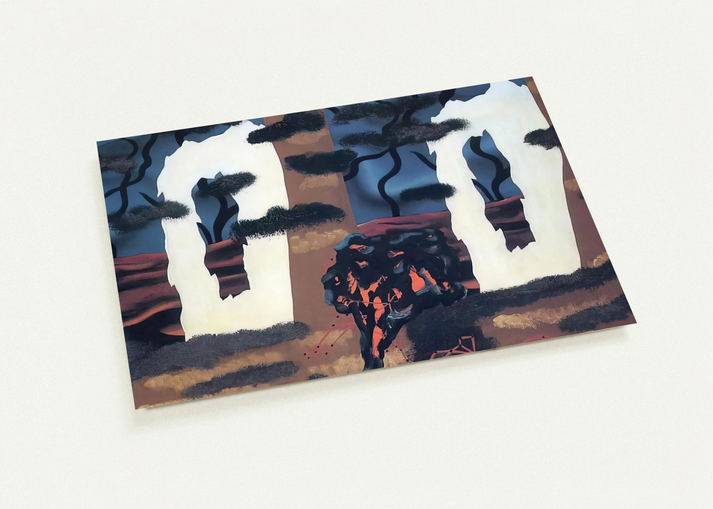
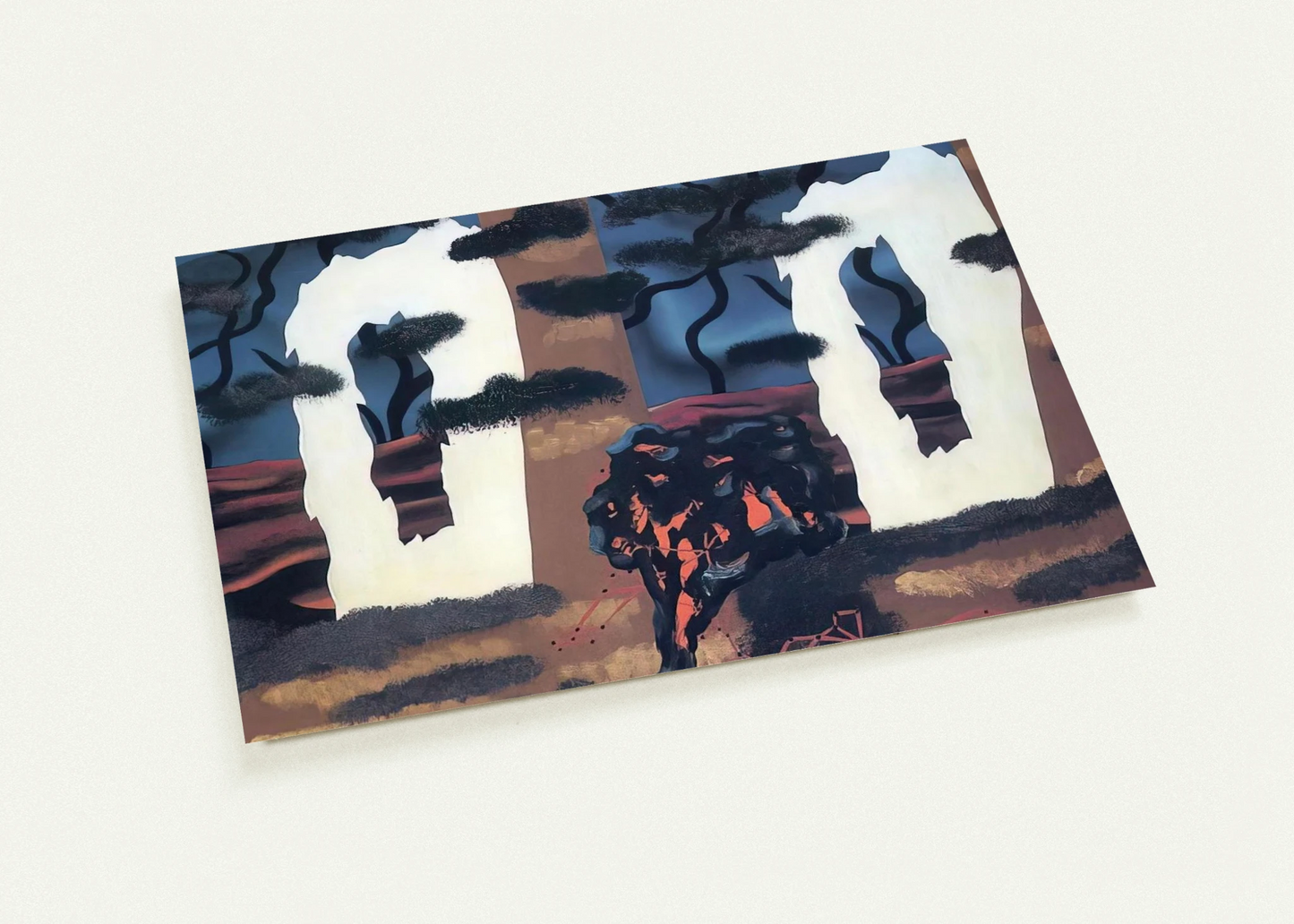
A TASTE OF THE INVISIBLE 1927 By Rene Magritte Pack of 10 Post Cards | Rene Magritte Post Cards | A6 (10.5 x 14.8 cm) - 4.1 x 5.8 inches
A TASTE OF THE INVISIBLE 1927 By Rene Magritte Pack of 10 Post Cards | Rene Magritte Post Cards | A6 (10.5 x 14.8 cm) - 4.1 x 5.8 inches
Couldn't load pickup availability
Encounter the Surreal: René Magritte’s ‘A Taste of the Invisible’ (1927)
Elevate your correspondence and your collection with this curated set of ten fine art postcards featuring René Magritte’s enigmatic masterpiece, A Taste of the Invisible (1927). Produced during Magritte’s transformative years in the late 1920s, this work exemplifies the Belgian Surrealist’s fascination with the hidden nature of reality and the poetry of the mundane. Each card serves as a miniature window into the subconscious, inviting the recipient to contemplate the mystery behind the visible world.
Museum-Quality Reproductions for the Discerning Collector
At RedKalion, we bridge the gap between historical significance and modern archival standards. These are not standard inkjet prints; they are produced using our proprietary 12-color fine art printing technology. This advanced process ensures that Magritte’s subtle tonal shifts and deep, moody pigments are captured with a vibrancy and depth that 4-color printing simply cannot replicate. Each postcard is a testament to our commitment to museum-quality reproductions.
Premium Specifications and Sustainable Craftsmanship
- Exquisite Paper: Printed on 200 gsm (80 lb) fine art paper with a thickness of 0.26 mm (10.3 mils) for a substantial, premium feel.
- Sophisticated Finish: A smooth matte finish ensures a glare-free viewing experience, highlighting the intricate details of Magritte's brushwork.
- Eco-Conscious Production: We utilize FSC-certified paper, ensuring your love for art aligns with environmental responsibility.
- Perfectly Proportioned: A6 size (10.5 x 14.8 cm / 4.1 x 5.8 inches), ideal for framing, gifting, or archival storage.
By choosing RedKalion, you are acquiring an archival-grade artifact designed to endure. Whether sent as a sophisticated sentiment or kept as a collective set, these postcards transform Magritte’s 1927 vision into a tangible, high-fidelity experience.
Discover Unlimited Art Possibilities
At RedKalion, you can find virtually any artwork from any artist, available in a wide range of sizes to perfectly match your space.
If you didn’t find what you’re looking for, contact us at support@redkalion.com . We will source any artwork and produce it in any size and format you need, including art prints, posters, canvas, framed pieces, framed canvas, and more.
For dedicated art enthusiasts, we also offer handcrafted replicas of any artwork, carefully painted by highly skilled artists using traditional techniques.
For custom requests, contact us at support@redkalion.com .
What printing technology is used for these Magritte postcards?
We use a sophisticated 12-color fine art printing process. This provides superior color accuracy and depth compared to standard 4-color prints, ensuring every nuance of Magritte’s 1927 palette is preserved.
What are the specific dimensions and paper weight?
Each postcard is A6 size (10.5 x 14.8 cm / 4.1 x 5.8 inches), printed on 200 gsm (80 lb) FSC-certified paper with a thickness of 10.3 mils.
Are these art postcards eco-friendly?
Yes. We print on demand to reduce waste and use FSC-certified paper, which supports responsible forestry and environmentally conscious art production.
How long does it take for these postcards to ship?
Our postcards are printed on demand to ensure archival quality. Orders typically process quickly and are shipped in secure, protective packaging to prevent bending.
Will the colors fade over time?
No. Our 12-color pigment-based inks are archival-grade, designed to maintain their vibrancy for decades when kept out of direct sunlight.
What is the historical context of Magritte’s ‘A Taste of the Invisible’ (1927)?
Created in 1927, this work reflects Magritte's early Surrealist period in Paris. It explores the tension between the seen and the unseen, a recurring theme in his philosophical approach to art.
How does the 12-color printing enhance Magritte’s surrealist palette?
Magritte often used subtle gradients and shadows to create mystery. The 12-color process captures these fine transitions far better than standard printers, maintaining the artwork's intended atmospheric depth.