RedKalion
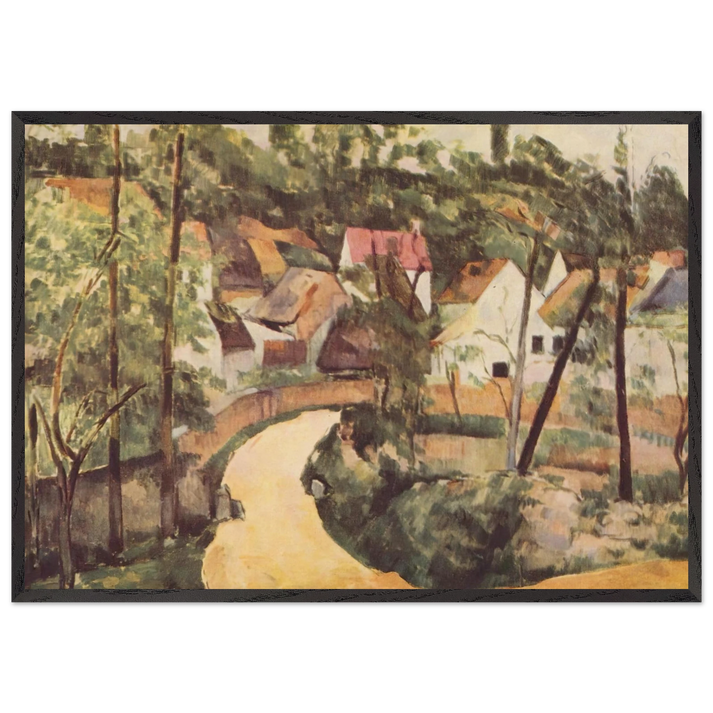
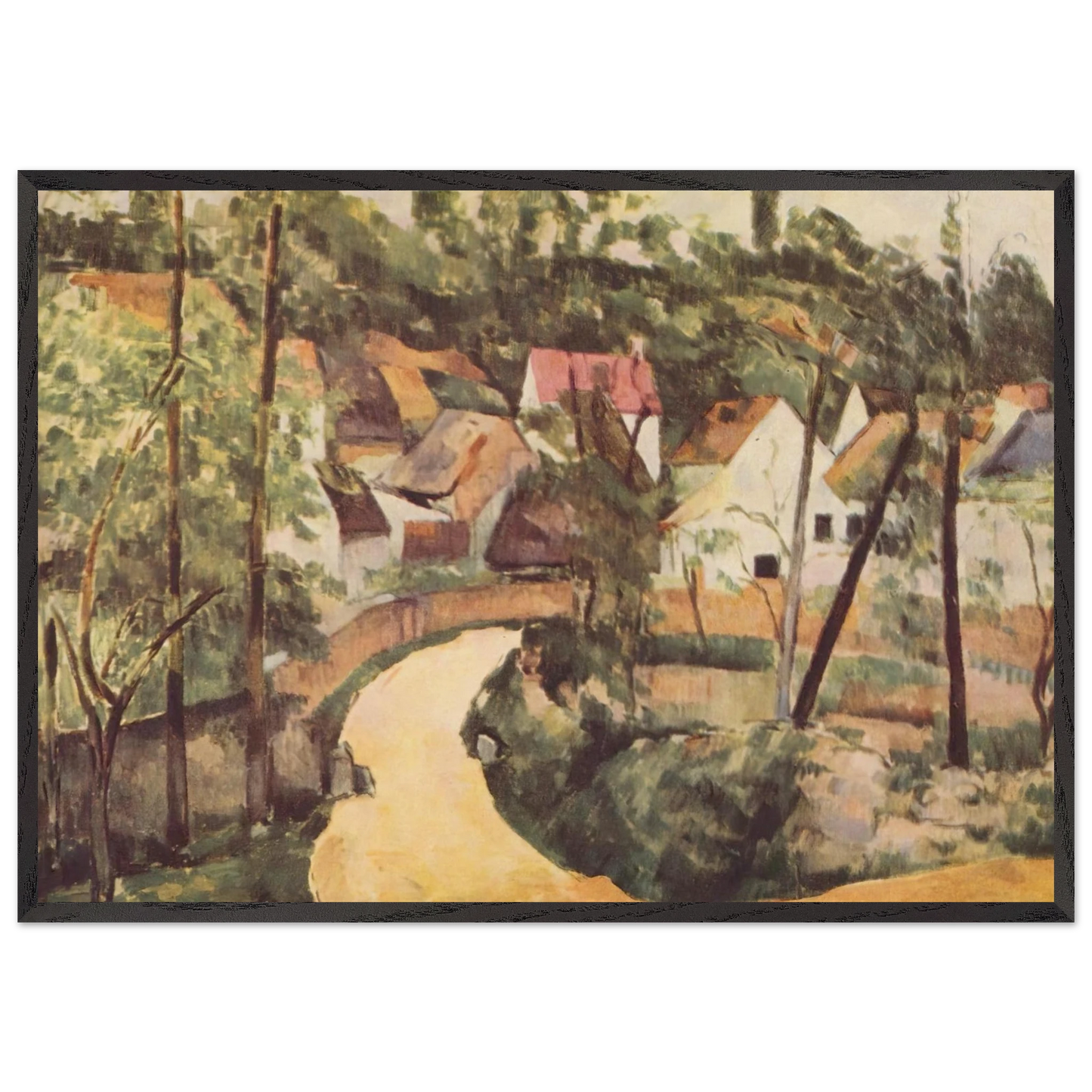
A Turn in the Road - Paul Cezanne 70x100 cm / 28x40 inches Framed Art Print – Black Wooden Frame
A Turn in the Road - Paul Cezanne 70x100 cm / 28x40 inches Framed Art Print – Black Wooden Frame
Couldn't load pickup availability
Bring the Architectural Mastery of Paul Cézanne Into Your Home
Immerse yourself in the foundational moments of modern art with a museum-quality reproduction of Paul Cézanne's A Turn in the Road. Painted circa 1881, this masterpiece serves as a pivotal bridge between Impressionism and the structured geometry of Cubism. Cézanne’s meticulous use of color and light transforms a simple landscape near Auvers-sur-Oise into a profound study of form and space, capturing a quiet path that invites the eye to wander into the lush greenery of the French countryside.
Exceptional Print Quality and Craftsmanship
At RedKalion, we specialize in archival-grade fine art prints that preserve the integrity of the artist's original vision. This 70x100 cm (28x40 inches) reproduction is printed on 250 gsm (110 lb) natural white paper. The archival, museum-quality paper is uncoated and features a sophisticated matte finish, ensuring that every brushstroke and subtle color graduation of Cézanne's technique is rendered with stunning clarity without distracting reflections.
The Elegance of the Black Wooden Frame
Your artwork arrives in a premium, responsibly sourced black wooden frame, crafted from high-quality oak and ash. Designed to elevate the aesthetic of any room, the frame measures 20mm (0.79") in both width and depth—a substantial, premium profile that offers more presence than standard frames. Each piece is protected by shattherproof plexiglass, providing the clarity of glass with superior durability and UV protection to prevent fading over time.
- Archival Longevity: Acid-free, FSC-certified paper ensures the print will not yellow or degrade for generations.
- Museum-Standard Framing: Hand-assembled by experts using sustainably sourced wood.
- Ready to Hang: Each framed print includes a professional hanging kit, allowing you to transform your space immediately.
- Elite Presence: The 70x100 cm scale makes it a commanding focal point for modern or traditional interiors.
Invest in an enduring piece of art history. This RedKalion reproduction of A Turn in the Road is not merely a print; it is an archival masterpiece that honors Paul Cézanne’s legacy as the father of modern landscape painting.
Discover Unlimited Art Possibilities
At RedKalion, you can find virtually any artwork from any artist, available in a wide range of sizes to perfectly match your space.
If you didn’t find what you’re looking for, contact us at support@redkalion.com . We will source any artwork and produce it in any size and format you need, including art prints, posters, canvas, framed pieces, framed canvas, and more.
For dedicated art enthusiasts, we also offer handcrafted replicas of any artwork, carefully painted by highly skilled artists using traditional techniques.
For custom requests, contact us at support@redkalion.com .
What materials are used for the Paul Cézanne art print?
We use 250 gsm (110 lb) museum-quality, natural white, uncoated paper. This archival-grade material ensures vibrant color reproduction and long-term durability without yellowing over time.
What are the specifications of the black wooden frame?
Our frames are made from FSC-certified oak and ash wood. They measure 20mm (0.79") in width and thickness, providing a more robust and premium look than standard 14mm frames.
Is the artwork ready to hang upon arrival?
Yes. Every framed print includes a pre-installed hanging kit and is professionally assembled. You can mount your Cézanne masterpiece directly onto your wall immediately after unboxing.
How is the print protected during shipping?
We use shatterproof, transparent plexiglass to protect the print face and secure packaging to ensure the wooden frame arrives in pristine condition at your doorstep.
Will the colors in the print fade over time?
No. By combining archival-grade paper with UV-resistant plexiglass and premium inks, our prints are designed to maintain their color depth and integrity for decades.
What is the significance of "A Turn in the Road" in art history?
Created around 1881, this piece marks Paul Cézanne’s transition from Impressionism to Post-Impressionism, emphasizing structural geometry and the "building" of landscapes through deliberate color patches.
Where was the original landscape of this painting located?
The scene depicts a road in the Val-d’Oise region of France, likely near Auvers-sur-Oise, a frequent subject for Cézanne and his contemporary Camille Pissarro.