RedKalion
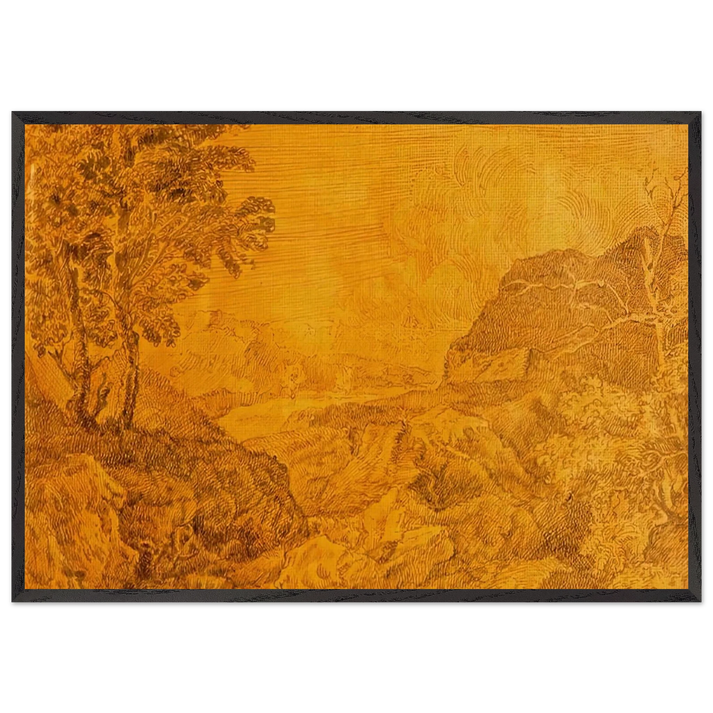
A VILLAGE IN SUMMERSET 1 - Giorgio de Chirico 70x100 cm / 28x40 inches Framed Art Print – Black Wooden Frame
A VILLAGE IN SUMMERSET 1 - Giorgio de Chirico 70x100 cm / 28x40 inches Framed Art Print – Black Wooden Frame
Couldn't load pickup availability
Embrace the Metaphysical: Giorgio de Chirico’s A Village in Summerset 1
Experience the profound silence and architectural mystery of Giorgio de Chirico with this premium reproduction of A Village in Summerset 1. As the progenitor of the Metaphysical School (Pittura Metafisica), De Chirico’s work transcends mere landscape, offering a dreamlike exploration of space, time, and memory. This specific piece captures a poignant stillness, where the interplay of light and shadow creates a sense of 'stilled time' that would later influence the Surrealist movement.
At RedKalion, we curate our prints to meet the exacting standards of discerning collectors. This 70x100 cm (28x40 inches) framed art print is meticulously produced on 250 gsm (110 lb) archival museum-quality paper. The natural white, uncoated matte finish ensures that the deep, emotive palette of De Chirico is preserved with exceptional chromatic accuracy, free from distracting glares or reflections.
Museum-Grade Craftsmanship and Sustainability
Every detail of this reproduction reflects our commitment to excellence. The artwork is housed in a 20mm (0.79") thick black wooden frame, crafted from responsibly sourced oak and ash. Unlike standard retail frames, our professional-grade molding provides a substantial, gallery-worthy presence on your wall. Your investment is protected by shatterproof plexiglass, ensuring long-term clarity and safety.
- Art History Insight: De Chirico’s technique often involved 'pictorial silence,' using exaggerated perspectives and desolate urban environments to evoke a sense of the uncanny.
- Premium Paper: 250 gsm / 110 lb weight provides a heavy, luxurious feel with superior ink absorption.
- Eco-Conscious: All materials are FSC-certified or equivalent, supporting sustainable forestry.
- Ready to Hang: Includes a high-quality hanging kit for immediate installation in your home or office.
Discover Unlimited Art Possibilities
At RedKalion, you can find virtually any artwork from any artist, available in a wide range of sizes to perfectly match your space.
If you didn’t find what you’re looking for, contact us at support@redkalion.com . We will source any artwork and produce it in any size and format you need, including art prints, posters, canvas, framed pieces, framed canvas, and more.
For dedicated art enthusiasts, we also offer handcrafted replicas of any artwork, carefully painted by highly skilled artists using traditional techniques.
For custom requests, contact us at support@redkalion.com .
What defines the quality of this Giorgio de Chirico fine art print?
This print is produced using archival-grade inks on 250 gsm museum-quality paper. RedKalion ensures every reproduction captures the subtle textures and tonal depth of the original artwork, providing a gallery-standard aesthetic for your interior.
What are the framing specifications for this piece?
The artwork is professionally framed in a 20mm (0.79") thick black oak and ash wood frame. This wider-than-standard profile offers enhanced structural integrity and a sophisticated, contemporary look suitable for high-end decor.
Is the paper used for this reproduction archival-grade?
Yes, we use 250 gsm (110 lb) natural white, uncoated matte paper. It is archival and acid-free, which prevents yellowing and ensures the print maintains its vibrancy for decades.
How is the artwork protected during shipping and display?
Your print is protected by transparent, shatterproof plexiglass. For shipping, we use robust, secure packaging to ensure your framed art print arrives in pristine condition, ready for immediate display.
Is the wood used for the frame sustainably sourced?
Absolutely. RedKalion utilizes FSC-certified wood or equivalent sustainable materials for our oak and ash frames, ensuring that your art acquisition supports responsible global forestry practices.
What artistic movement does A Village in Summerset 1 represent?
This piece reflects Giorgio de Chirico's Metaphysical School style. It focuses on the 'metaphysical' aspects of objects and architecture, using sharp shadows and strange perspectives to evoke a sense of mystery beyond the physical world.
Why are long shadows and empty spaces significant in De Chirico's work?
De Chirico used long, dramatic shadows and vacant spaces to create a sense of 'nostalgia for the infinite.' These elements disrupt the viewer's sense of reality, a hallmark of Metaphysical art that deeply influenced Surrealism.