RedKalion
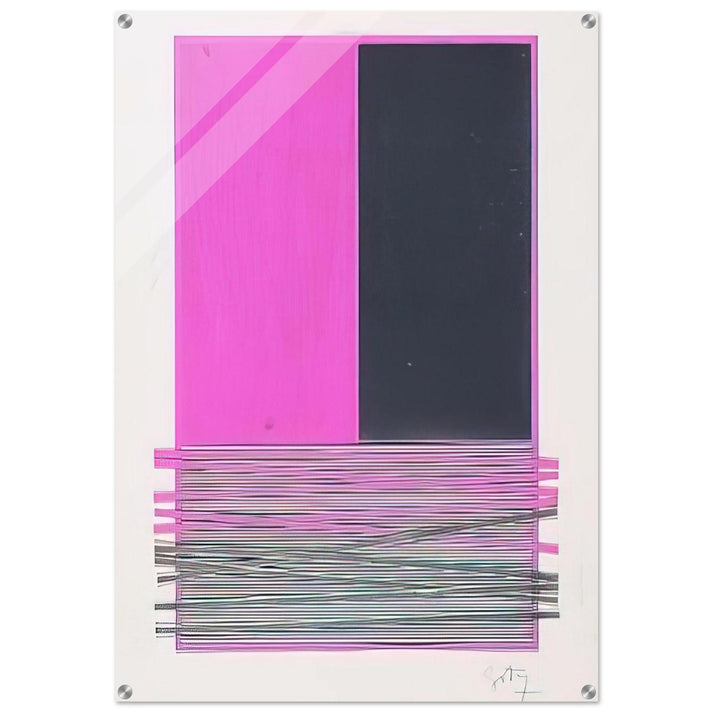
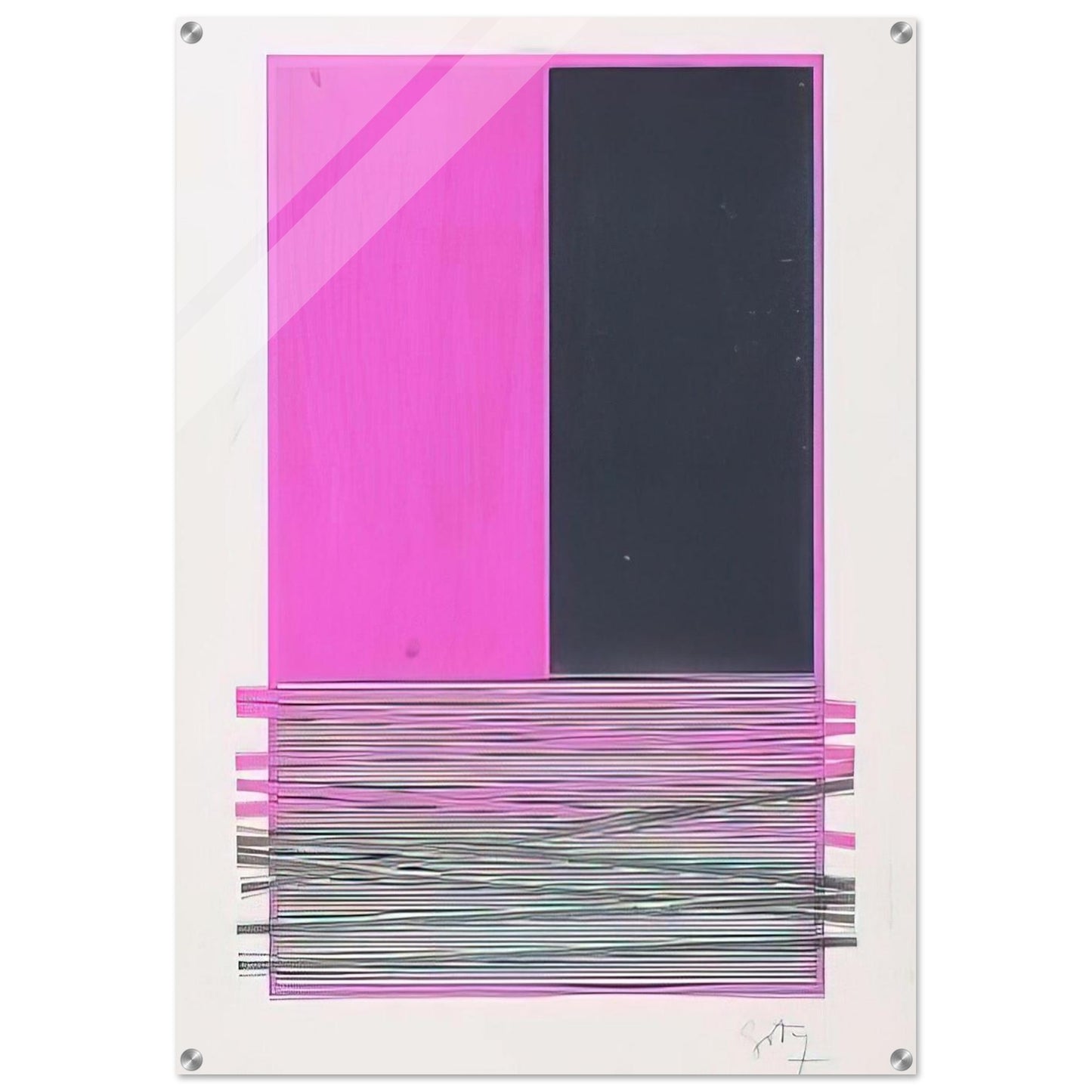
ABSTRACT COMPOSITION WITH SILVER AND MAGENTA 1970 - Jesus Rafael Soto Acrylic Print - 70x100 cm / 28x40″ inches | Jesus Rafael Soto Wall Art | Jesus Rafael Soto Prints
ABSTRACT COMPOSITION WITH SILVER AND MAGENTA 1970 - Jesus Rafael Soto Acrylic Print - 70x100 cm / 28x40″ inches | Jesus Rafael Soto Wall Art | Jesus Rafael Soto Prints
Couldn't load pickup availability
Elevate Your Space with Jesús Rafael Soto’s Kinetic Vision
Experience the mesmerizing interplay of light and color with this museum-quality reproduction of Abstract Composition with Silver and Magenta (1970) by the legendary Venezuelan master, Jesús Rafael Soto. As a pioneer of Kinetic Art, Soto explored the perception of movement and the dissolution of form. This specific composition captures the transition of his style into the vibrant experiments of the 1970s, where metallic sheens met bold, synthetic hues to create a sense of 'optical vibration'.
Museum-Grade Acrylic Craftsmanship
To honor Soto's legacy of transparency and spatial depth, RedKalion presents this work as a premium acrylic print. The 4mm (0.15") high-grade acrylic enhances the depth of the silver and magenta tones, creating a vibrant, luminous finish that reflects the industrial aesthetic of the original era. Unlike traditional paper prints, the acrylic medium offers a sleek, modern look with straight-cut corners that complement the geometric rigor of the Jesus Rafael Soto wall art.
The RedKalion Standard of Quality
Our commitment to archival integrity ensures that this 70x100 cm (28x40″) masterpiece remains a focal point in your collection for decades. The print features a sophisticated hanging system designed for both security and aesthetic minimalism. Each corner is pre-drilled (14mm from the edge) to accommodate the included high-end hardware, featuring 15mm screw heads that provide a professional, gallery-style standoff effect.
A Statement in Fine Art
- Historical Significance: A quintessential example of 1970s Kineticism and Op Art.
- Premium Material: 4mm thick acrylic for unmatched clarity and durability.
- Ready to Display: Includes a full hanging kit with screws and standoffs.
- Vivid Reproduction: Archival-grade inks capture the precise contrast between silver and magenta.
Discover Unlimited Art Possibilities
At RedKalion, you can find virtually any artwork from any artist, available in a wide range of sizes to perfectly match your space.
If you didn’t find what you’re looking for, contact us at support@redkalion.com . We will source any artwork and produce it in any size and format you need, including art prints, posters, canvas, framed pieces, framed canvas, and more.
For dedicated art enthusiasts, we also offer handcrafted replicas of any artwork, carefully painted by highly skilled artists using traditional techniques.
For custom requests, contact us at support@redkalion.com .
What are the exact dimensions and material of this print?
This Jesus Rafael Soto print measures 70x100 cm (28x40″) and is crafted from 4mm (0.15") thick acrylic. This material provides a sleek, durable, and vibrant finish perfect for high-end interiors.
How is the artwork mounted to the wall?
The print includes a specialized hanging kit with screws. It features pre-drilled holes at each corner, 14mm from the edge, using 15mm screw heads for a secure and modern gallery-style presentation.
Is the shipping process secure for fragile acrylic?
Yes, RedKalion uses professional-grade protective packaging specifically designed for large-scale acrylic prints to ensure your Jesus Rafael Soto wall art arrives in pristine, museum-quality condition.
Does the print include a background color?
For optimal presentation of Soto's geometric forms, any transparent areas in the original design default to a solid white background, ensuring the silver and magenta tones pop with maximum contrast.
How long will the colors last in a residential setting?
We use archival-grade inks and UV-resistant acrylic. This combination ensures that your museum-quality reproduction maintains its color brilliance and structural integrity for decades without fading.
What is the significance of the 1970 period in Soto's work?
By 1970, Jesús Rafael Soto had refined his use of 'vibrations'. This piece showcases his mastery of overlapping lines and bold color fields to create the illusion of movement as the viewer shifts perspective.
Is this print considered Kinetic Art?
While the physical print is static, the composition is a masterpiece of Kinetic Art principles. It utilizes optical interference to create 'virtual movement', a hallmark of Soto’s revolutionary contribution to 20th-century art.