

RedKalion
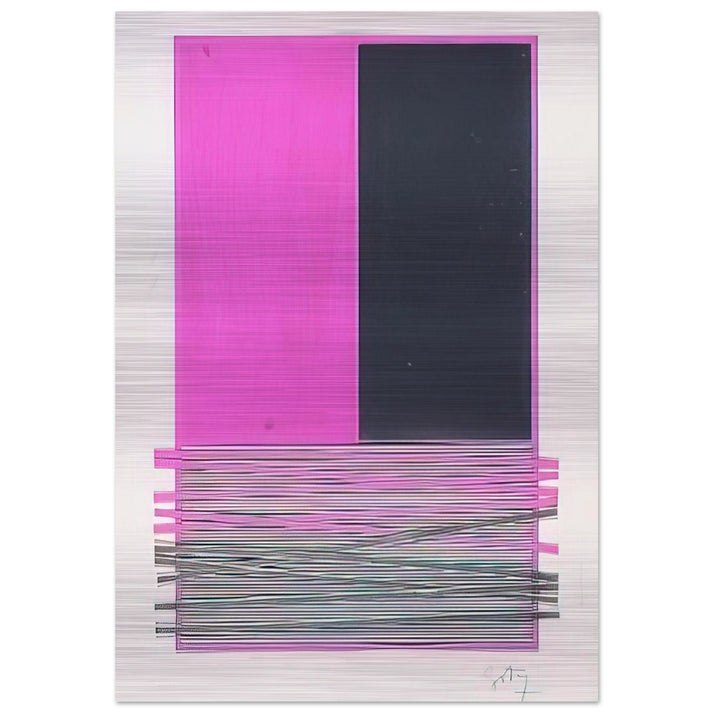
ABSTRACT COMPOSITION WITH SILVER AND MAGENTA 1970 - Jesus Rafael Soto Brushed Aluminum Print - 70x100 cm / 28x40 inches | Jesus Rafael Soto Aluminum Print | Jesus Rafael Soto Prints
ABSTRACT COMPOSITION WITH SILVER AND MAGENTA 1970 - Jesus Rafael Soto Brushed Aluminum Print - 70x100 cm / 28x40 inches | Jesus Rafael Soto Aluminum Print | Jesus Rafael Soto Prints
Couldn't load pickup availability
A Kinetic Masterpiece: Abstract Composition with Silver and Magenta (1970)
Experience the optical brilliance of Jesús Rafael Soto, a titan of the Kinetic Art movement, through this exquisite reproduction of his 1970 work, Abstract Composition with Silver and Magenta. Soto was a pioneer in exploring the 'vibration' of color and form, and this piece perfectly encapsulates his mastery of spatial depth and rhythmic energy. The interplay between the industrial cool of silver and the electric warmth of magenta creates a dynamic visual field that seems to shift as you move through the room.
The RedKalion Standard: Museum-Quality Engineering
At RedKalion, we believe a fine art print should do more than just represent the original; it should enhance the artist's intent. This Jesus Rafael Soto aluminum print is rendered on premium brushed silver Aluminum DIBOND®, a 3mm (0.12") thick substrate that offers unparalleled rigidity and a sophisticated industrial aesthetic. The material choice is particularly poignant for Soto's work, as the horizontal grain of the aluminum echoes the linear motifs often found in his Penetrables and relief paintings.
- Matte & Glare-Free: The direct-to-surface printing ensures a matte finish that eliminates reflections, allowing the magenta hues to pop against the metallic silver without distraction.
- Unique Metallic Effect: Any unprinted white areas in the design reveal the natural silver sheen of the aluminum, providing a luminous, multi-dimensional quality.
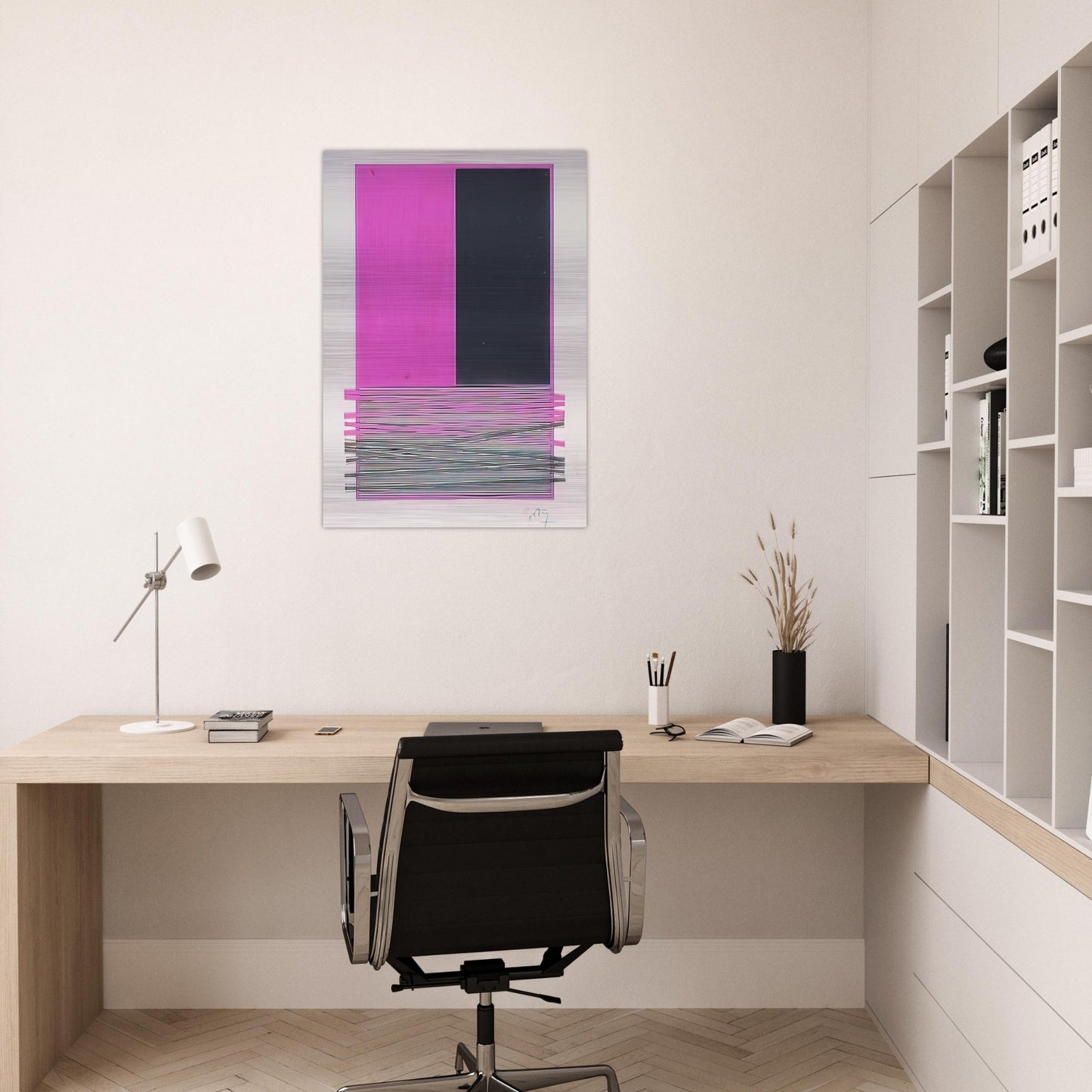
- Archival Durability: This museum-quality reproduction is built to endure, offering a modern, minimalist profile that fits seamlessly into contemporary interiors.
Elevate your curated space with an archival masterpiece that honors the legacy of Venezuelan Cinetismo. This is not merely a reproduction; it is a sophisticated dialogue between 20th-century abstraction and 21st-century material science.


Discover Unlimited Art Possibilities
At RedKalion, you can find virtually any artwork from any artist, available in a wide range of sizes to perfectly match your space.
If you didn’t find what you’re looking for, contact us at support@redkalion.com . We will source any artwork and produce it in any size and format you need, including art prints, posters, canvas, framed pieces, framed canvas, and more.
For dedicated art enthusiasts, we also offer handcrafted replicas of any artwork, carefully painted by highly skilled artists using traditional techniques.
For custom requests, contact us at support@redkalion.com .
What defines the print quality of this Jesus Rafael Soto reproduction?
We use direct printing on 3mm Aluminum DIBOND® with high-grade inks, resulting in a matte, glare-free finish. This technique ensures vivid color saturation and archival longevity, making it a definitive museum-quality reproduction.
How does the brushed aluminum finish affect the artwork's appearance?
The brushed silver aluminum features a horizontal grain. In unprinted areas, the metallic surface shines through, adding a dynamic, light-catching quality that complements the kinetic nature of Soto's abstract compositions.
Is the hanging hardware included with my purchase?
Yes, each Jesus Rafael Soto print includes a professional hanging kit. The specific hardware varies by fulfillment country to ensure the most secure and aesthetic mounting for your 70x100 cm aluminum panel.
How durable is the Aluminum DIBOND® material for long-term display?
Aluminum DIBOND® is highly durable and rigid, resisting warping or degradation over time. Its 3mm thickness provides a lightweight yet sturdy base, ensuring your fine art print remains a centerpiece for decades.
What is the estimated shipping time for this fine art print?
Shipping times vary by location, but most orders are processed and delivered within 7-14 business days. We use protective packaging to ensure your aluminum print arrives in pristine gallery condition.
What was Jesús Rafael Soto's intention with the 'vibration' in his 1970 works?
Soto aimed to involve the viewer in the creative process. By using overlapping lines and contrasting colors like silver and magenta, he created an optical 'vibration' that simulates movement as the viewer changes perspective.
Why is the magenta color significant in this specific abstract composition?
In this 1970 composition, the magenta serves as a high-energy focal point. It disrupts the industrial silver background, creating a visual tension that is central to the Op Art movement's exploration of color theory.