RedKalion
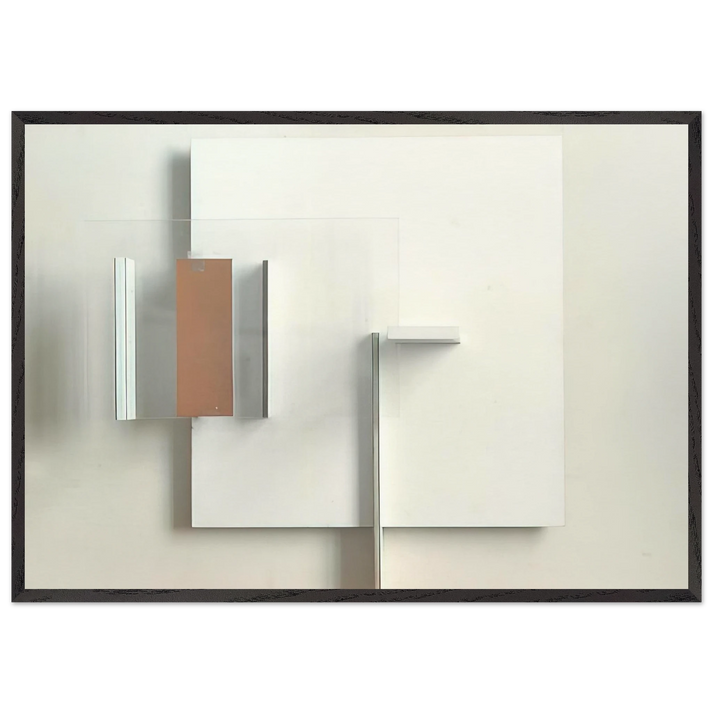
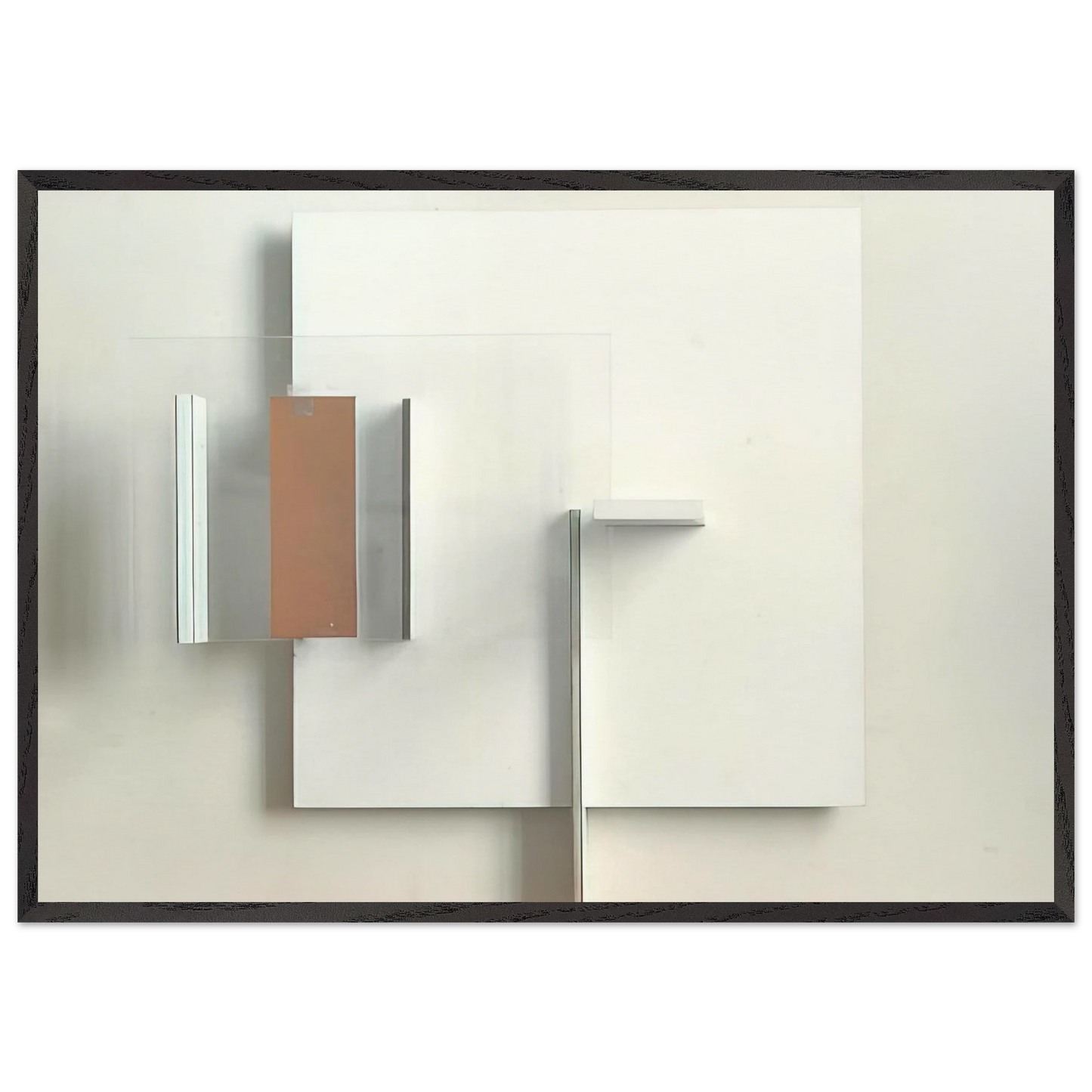
ABSTRACT IN WHITE BLACK AND OCHRE 1962 - Victor Pasmore 70x100 cm / 28x40 inches Framed Art Print – Black Wooden Frame
ABSTRACT IN WHITE BLACK AND OCHRE 1962 - Victor Pasmore 70x100 cm / 28x40 inches Framed Art Print – Black Wooden Frame
Couldn't load pickup availability
Abstract in White Black and Ochre 1962: A Masterpiece of British Abstraction by Victor Pasmore
Elevate your interior with this museum-quality reproduction of Victor Pasmore's seminal 1962 work, Abstract in White Black and Ochre. As a leading figure in the British Constructivist movement, Pasmore's transition from figurative landscapes to rigorous abstraction is perfectly captured in this piece. This fine art print showcases his sophisticated use of spatial geometry, where fluid lines and organic shapes intersect against a balanced palette of earthy ochre and stark monochrome, reflecting the artist's exploration of harmony and developmental process.
At RedKalion, we curate archival-grade prints that preserve the integrity of the original masterpiece. This 70x100 cm reproduction is printed on 250 gsm (110 lb) natural white, archival museum-quality paper. The matte, uncoated finish ensures a glare-free experience, allowing the subtle textures and tonal depths of Pasmore's work to resonate under any lighting. Every print is housed in a premium black frame crafted from responsibly sourced oak and ash wood, measuring a substantial 20mm (0.79") in thickness and width for a contemporary, structural presence.
Technical Specifications and Craftsmanship
- Premium Archival Paper: 250 gsm (110 lb) paper with a thickness of 0.29 mm ensures longevity and a luxurious feel.
- Solid Wood Framing: FSC-certified black oak and ash frame provides a sturdy, elegant border.
- Superior Protection: Shielded by shatterproof plexiglass to maintain clarity and protect the artwork from UV damage.
- Sustainability: Printed on FSC-certified materials, supporting ethical and environmental standards.
- Ready-to-Hang: Delivered with a professional hanging kit for immediate installation in your home or gallery.
By choosing this Victor Pasmore framed art print from RedKalion, you are investing in a piece of modern art history that is meticulously crafted to endure for generations. The 1962 period represents the height of Pasmore's experimental phase, making this print a definitive choice for collectors of mid-century modern and minimalist art.
Discover Unlimited Art Possibilities
At RedKalion, you can find virtually any artwork from any artist, available in a wide range of sizes to perfectly match your space.
If you didn’t find what you’re looking for, contact us at support@redkalion.com . We will source any artwork and produce it in any size and format you need, including art prints, posters, canvas, framed pieces, framed canvas, and more.
For dedicated art enthusiasts, we also offer handcrafted replicas of any artwork, carefully painted by highly skilled artists using traditional techniques.
For custom requests, contact us at support@redkalion.com .
What are the paper specifications for this Victor Pasmore print?
This print uses 250 gsm (110 lb) museum-quality, natural white paper. It is archival, acid-free, and features a matte, uncoated finish to ensure historical accuracy and long-term durability without yellowing.
What type of frame is used for this artwork?
We use high-quality, 20mm thick and wide frames made from responsibly sourced oak and ash wood. For this specific piece, a sleek black finish is applied to complement the abstract aesthetic.
Is the artwork protected during shipping?
Yes, your print is protected by shatterproof, transparent plexiglass. We use specialized, secure packaging to ensure your framed art print arrives in pristine condition at your doorstep.
Does the print come ready to hang?
Absolutely. Every framed print from RedKalion includes a professional hanging kit, allowing you to display your new masterpiece on the wall immediately upon arrival.
How does RedKalion ensure archival longevity?
We utilize archival-grade papers and inks alongside FSC-certified wood and shatterproof plexiglass. This combination prevents fading, warping, and environmental damage, ensuring your investment remains vibrant for decades.
Who was Victor Pasmore and why is the 1962 date significant?
Victor Pasmore was a pioneer of British abstract art. By 1962, he had fully embraced 'developing processes,' moving away from traditional painting toward spatial constructions and linear abstract forms that defined the Modernist era.
What is the significance of the ochre, black, and white palette?
Pasmore utilized this restricted palette to emphasize form and rhythm over literal representation. The ochre provides an organic warmth that balances the structural tension created by the black and white elements.