

RedKalion
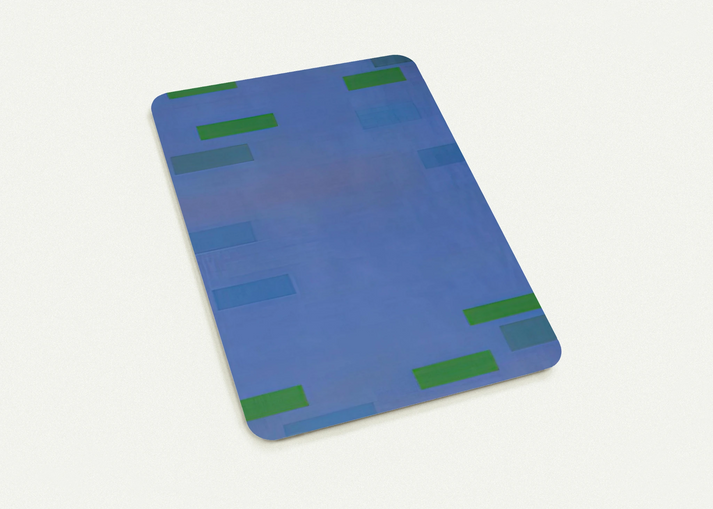
Abstract Painting, Blue - 1952 By Ad Reinhardt Pack of 10 Post Cards | Ad Reinhardt Post Cards | A6 (10.5 x 14.8 cm) - 4.1 x 5.8 inches
Abstract Painting, Blue - 1952 By Ad Reinhardt Pack of 10 Post Cards | Ad Reinhardt Post Cards | A6 (10.5 x 14.8 cm) - 4.1 x 5.8 inches
Couldn't load pickup availability
Elevate Your Correspondence with Ad Reinhardt’s Abstract Mastery
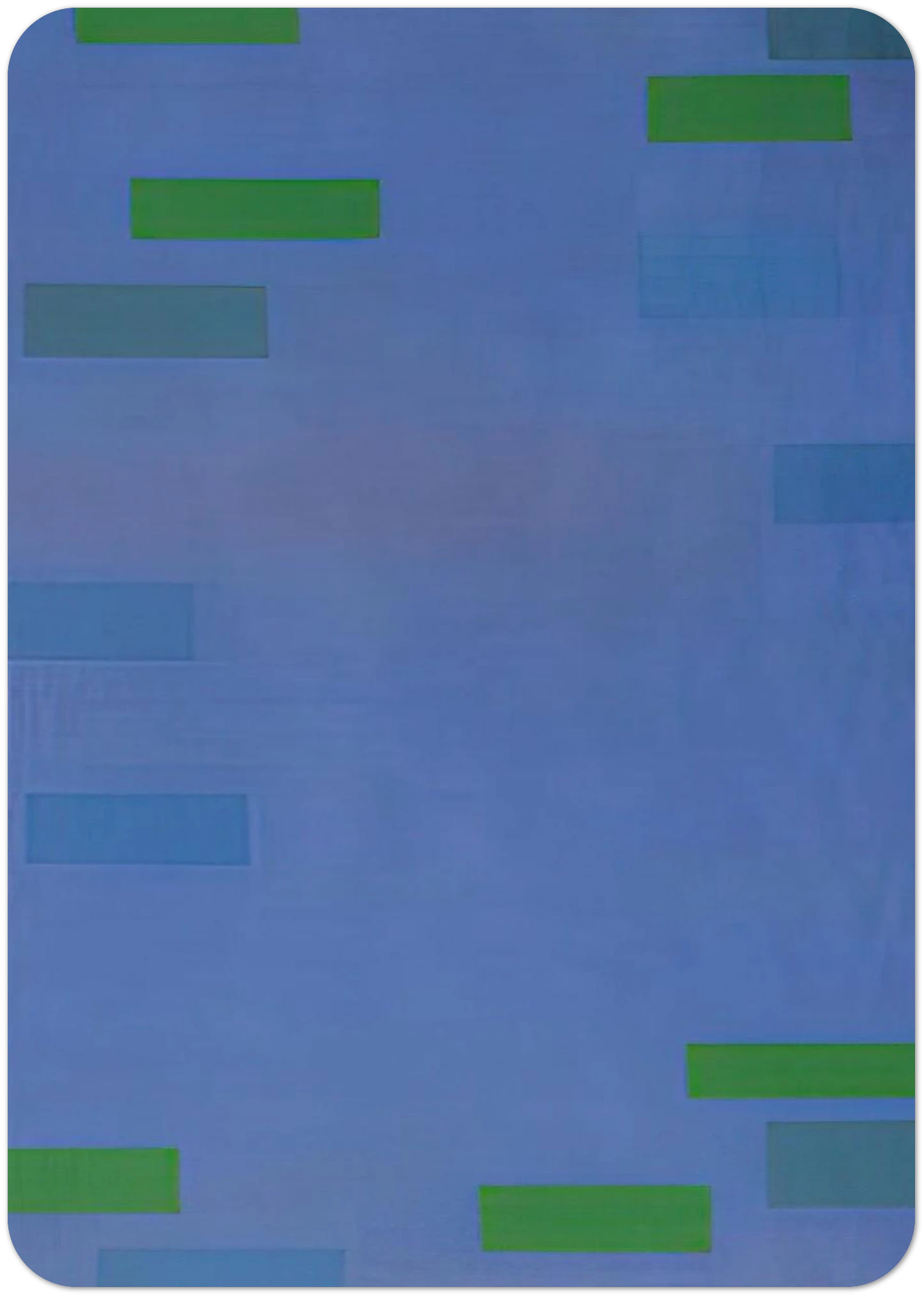
Immerse yourself in the meditative depth of the mid-century avant-garde with this exclusive pack of 10 fine art postcards featuring Abstract Painting, Blue - 1952 by Ad Reinhardt. As a pivotal figure in Abstract Expressionism and a pioneer of Minimalism, Reinhardt sought to strip art of its external references, focusing on the ‘art-as-art’ philosophy. This specific 1952 composition captures the critical transition in his career, moving toward the monochromatic purity that would eventually define his legacy.
Museum-Quality Precision in Every Detail
At RedKalion, we recognize that reproducing Reinhardt’s subtle tonal shifts requires technical excellence. Unlike standard commercial prints, these postcards are produced using 12-color fine art printing technology. This advanced process ensures that the nuanced gradients and deep cerulean and indigo hues of the 1952 original are captured with stunning accuracy and depth. Each card serves as a miniature archival masterpiece, perfect for framing, gifting, or sophisticated correspondence.
Premium Specifications for the Discerning Collector
- Exceptional Color Fidelity: Our 12-color process delivers a spectrum far beyond standard 4-color inkjet reproductions.
- Archival Paper: Printed on 200 gsm (80 lb) FSC-certified paper with a thickness of 0.26 mm (10.3 mils).
- Refined Matte Finish: A smooth, glare-free surface ensures the focus remains on the artwork’s depth.
- Standard A6 Format: Each card measures 10.5 x 14.8 cm (4.1 x 5.8 inches), ideal for standard mailing or small-format framing.
- Eco-Conscious Production: Printed on demand using environmentally responsible materials to minimize waste.
By choosing RedKalion, you are not merely purchasing stationery; you are investing in a meticulously curated reproduction that honors the integrity of the artist’s vision. Enrich your collection with an archival-grade sentiment that endures.


Discover Unlimited Art Possibilities
At RedKalion, you can find virtually any artwork from any artist, available in a wide range of sizes to perfectly match your space.
If you didn’t find what you’re looking for, contact us at support@redkalion.com . We will source any artwork and produce it in any size and format you need, including art prints, posters, canvas, framed pieces, framed canvas, and more.
For dedicated art enthusiasts, we also offer handcrafted replicas of any artwork, carefully painted by highly skilled artists using traditional techniques.
For custom requests, contact us at support@redkalion.com .
What printing technology is used for the Ad Reinhardt post cards?
We use 12-color fine art printing technology to reproduce Ad Reinhardt's work. This offers significantly more color depth and tonal accuracy than standard 4-color printing, essential for capturing the subtle nuances of his 1952 blue compositions.
What is the paper quality and finish of these cards?
Each card is printed on premium 200 gsm (80 lb) paper with a thickness of 0.26 mm. The smooth matte finish provides a clean, glare-free display that highlights the intricate details of the artwork.
Are these postcards suitable for small-scale framing?
Absolutely. Due to the 12-color archival printing and high-weight paper, these cards function as museum-quality miniature prints, making them ideal for A6-sized frames or gallery wall arrangements.
Is the paper used for these postcards environmentally sustainable?
Yes, RedKalion is committed to sustainability. We use FSC-certified paper, ensuring that your fine art postcards are produced using responsibly sourced and environmentally conscious materials.
How are shipping and production handled for this set?
Each pack of 10 postcards is printed on demand to ensure the highest quality control and reduce environmental waste. We offer no minimum orders and ship with protective packaging to ensure they arrive in pristine condition.
What does Abstract Painting, Blue - 1952 represent in Reinhardt's career?
This piece represents Reinhardt’s transition from early geometric abstraction toward his 'monochrome' period. It illustrates his move toward reducing art to its essential elements—color, light, and structure—preceding his famous black paintings.
Why is 12-color printing essential for this specific Ad Reinhardt piece?
Reinhardt’s 1952 blue paintings rely on extremely close-valued colors. Our 12-color process captures these nearly invisible transitions between shades of blue that would be lost in standard mass-production printing methods.