
RedKalion
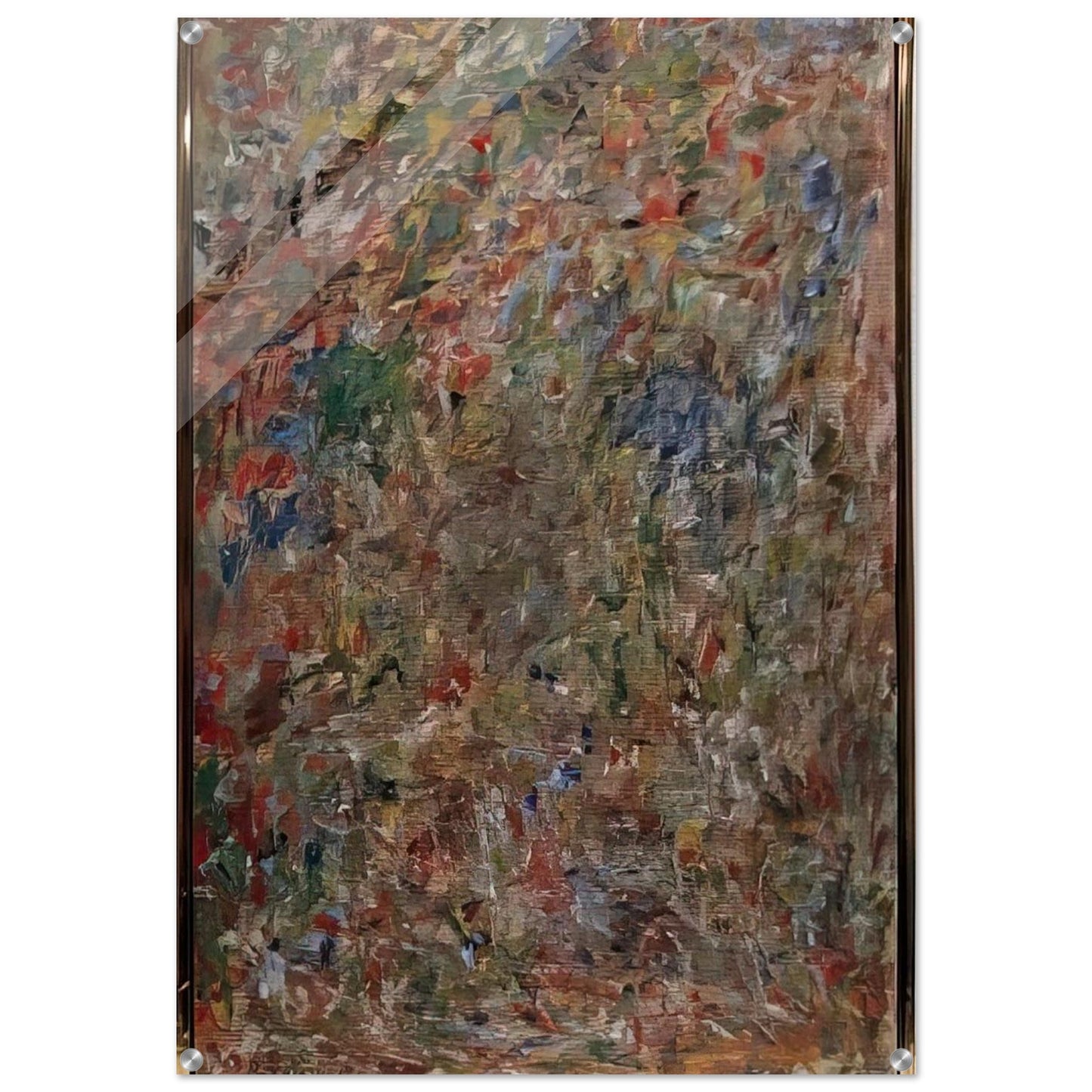
ABSTRACTION 1963 - Milton Resnick Acrylic Print - 70x100 cm / 28x40″ inches
ABSTRACTION 1963 - Milton Resnick Acrylic Print - 70x100 cm / 28x40″ inches
Couldn't load pickup availability
Milton Resnick’s Abstraction 1963: A Masterpiece of Textural Depth
Experience the profound luminosity and dense, atmospheric power of Milton Resnick’s Abstraction 1963. As a pivotal figure in the Abstract Expressionist movement, Resnick transitioned the gestural energy of the 1950s into a more meditative, 'all-over' field of color and texture. This museum-quality reproduction captures every nuanced layer of his signature impasto style, translated onto a modern medium that radiates sophistication.
Archival Quality Meets Modern Sophistication
At RedKalion, we elevate fine art through state-of-the-art materials. This Milton Resnick acrylic print is crafted on 4mm (0.15") high-grade acrylic, providing a depth and vibrancy that traditional canvas cannot match. The glass-like finish enhances the subtle color shifts and internal light of Resnick’s work, making it a focal point in any contemporary space. The straight-cut corners and transparent backgrounds—which default to a crisp white—ensure a clean, gallery-ready aesthetic.
Precision Engineering for Your Interior
Designed for longevity and ease of installation, each print arrives with a comprehensive hanging kit. This includes dedicated hardware and pre-drilled screw holes at each corner (14mm from the edge), featuring 15mm screw heads that provide a secure, floating effect. This 70x100 cm (28x40″) masterpiece is not merely a print; it is a durable, archival-grade statement piece designed to endure for generations.
- Artist: Milton Resnick
- Title: Abstraction 1963
- Dimensions: 70x100 cm / 28x40″
- Material: 4mm (0.15") vibrant acrylic
- Finish: Straight-cut modern corners
- Hardware: Full hanging kit with 15mm screw heads included
Elevate your environment with an archival masterpiece curated by RedKalion, where art history and modern craftsmanship converge.
Discover Unlimited Art Possibilities
At RedKalion, you can find virtually any artwork from any artist, available in a wide range of sizes to perfectly match your space.
If you didn’t find what you’re looking for, contact us at support@redkalion.com . We will source any artwork and produce it in any size and format you need, including art prints, posters, canvas, framed pieces, framed canvas, and more.
For dedicated art enthusiasts, we also offer handcrafted replicas of any artwork, carefully painted by highly skilled artists using traditional techniques.
For custom requests, contact us at support@redkalion.com .
What makes this Milton Resnick print museum-quality?
Our reproductions use 4mm high-grade acrylic and advanced printing techniques to ensure color accuracy and vibrancy, mirroring the archival standards found in leading international galleries.
How is the ABSTRACTION 1963 acrylic print mounted?
Each print includes a premium hanging kit with four screws and pre-drilled holes (8mm diameter) located 14mm from the edges, ensuring a secure and elegant installation.
Is this print durable for long-term display?
Yes. The 4mm acrylic is shatter-resistant and UV-stable, protecting the Milton Resnick artwork from fading and environmental wear for decades of display.
What are the dimensions and edge finishing?
This print measures 70x100 cm (28x40″) and features modern straight-cut corners for a sleek, contemporary silhouette that complements minimalist and modern interiors.
How is the artwork shipped to ensure protection?
RedKalion utilizes specialized, multi-layered protective packaging and trusted couriers to ensure your acrylic print arrives in pristine condition, ready for immediate display.
What was Milton Resnick's role in the Abstract Expressionist movement?
Resnick was a key second-generation Abstract Expressionist known for his 'all-over' painting style, where he focused on the physical weight and density of paint rather than specific focal points.
What does the title Abstraction 1963 signify in Resnick’s career?
1963 represents a period where Resnick deepened his exploration of monochromatic fields, moving away from distinct brushstrokes toward a unified, atmospheric texture that envelops the viewer.