

RedKalion
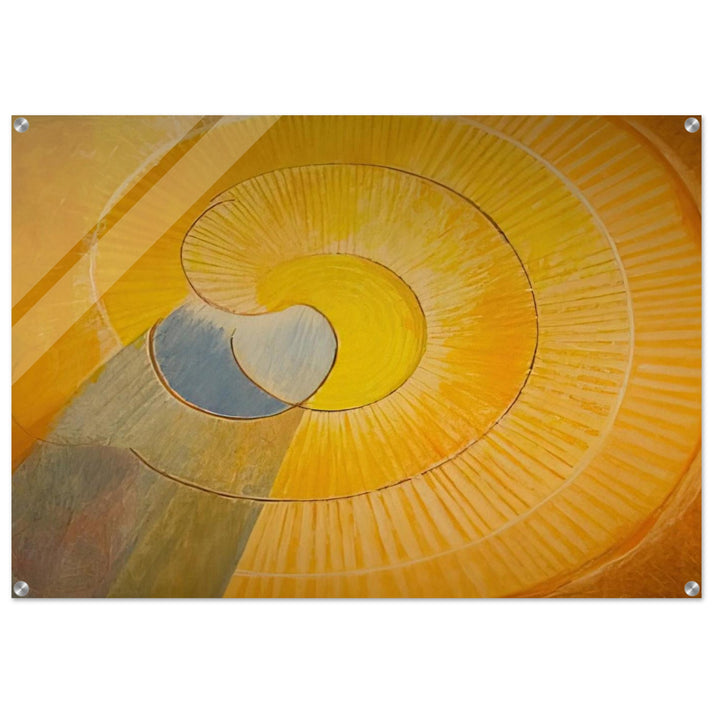
Abstraction - 1964 - Lawren Harris Acrylic Print - 70x100 cm / 28x40″ inches
Abstraction - 1964 - Lawren Harris Acrylic Print - 70x100 cm / 28x40″ inches
Couldn't load pickup availability
Elevate Your Space with Lawren Harris’s "Abstraction" (1964)
In the twilight of his illustrious career, Group of Seven co-founder Lawren Harris transitioned from the iconic, stark landscapes of the Canadian North toward a profound exploration of pure form and spiritual energy. This museum-quality reproduction of "Abstraction" (1964) captures the pinnacle of Harris’s late-period mastery, where geometric precision meets cosmic philosophy. As a definitive piece of Canadian Modernism, it invites the viewer into a meditative space defined by balance, rhythm, and ethereal light.
The Evolution of a Master
By 1964, Harris had moved beyond representational art, seeking to express the spiritual truths he found in Theosophy through non-objective shapes. This fine art print showcases his ability to use color and line to evoke an emotional resonance that transcends the physical world. RedKalion is proud to curate this archival-grade reproduction, ensuring that the vibrancy and depth of Harris’s original vision are preserved for generations.
Exquisite Material & Craftsmanship
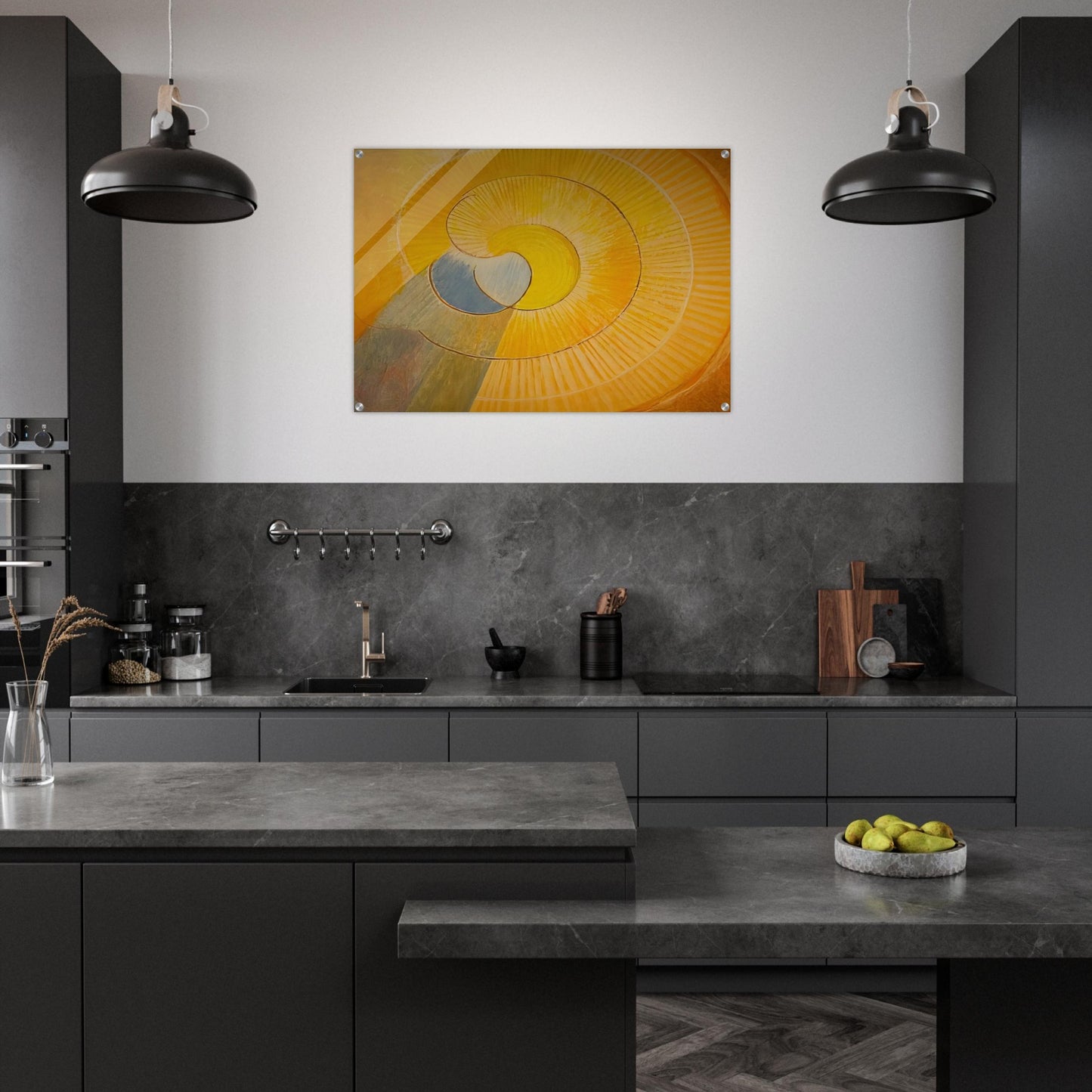
To honor the luminous quality of Harris’s work, this piece is presented as a premium acrylic print. The 4mm (0.15") acrylic substrate provides a sleek, glass-like finish that enhances color saturation and depth, creating a sophisticated 3D effect. The modern, straight-cut corners and transparent-to-white background transition ensure the artwork remains the focal point of any interior design.
- Material: 4mm (0.15") high-grade acrylic for a vibrant, durable finish.
- Design: Minimalist straight-cut corners for a contemporary aesthetic.
- Hanging Kit: Each print includes a professional mounting kit (screws and pre-drilled holes at each corner).
- Dimensions: 70x100 cm (28x40″), ideal for a commanding gallery-wall presence.
By choosing a RedKalion reproduction, you are acquiring more than a decorative piece; you are investing in a meticulously crafted tribute to a pioneer of North American abstraction.


Discover Unlimited Art Possibilities
At RedKalion, you can find virtually any artwork from any artist, available in a wide range of sizes to perfectly match your space.
If you didn’t find what you’re looking for, contact us at support@redkalion.com . We will source any artwork and produce it in any size and format you need, including art prints, posters, canvas, framed pieces, framed canvas, and more.
For dedicated art enthusiasts, we also offer handcrafted replicas of any artwork, carefully painted by highly skilled artists using traditional techniques.
For custom requests, contact us at support@redkalion.com .
What materials are used for this Lawren Harris fine art print?
This print is crafted using 4mm (0.15") high-quality acrylic. This material provides a sleek, durable, and vibrant finish, ensuring the colors of the 1964 Abstraction are displayed with exceptional clarity and depth.
How is the acrylic print mounted to the wall?
Each print includes a premium hanging kit with hardware and screws. The acrylic features pre-drilled holes in each corner (14mm from the edge) for a secure and modern installation.
Is this reproduction archival-grade and fade-resistant?
Yes. RedKalion uses archival-grade processes that ensure long-lasting color fidelity. The acrylic material acts as a natural UV shield, protecting the artwork from fading and environmental degradation.
What are the shipping logistics for a 70x100 cm print?
We utilize specialized, high-security packaging to ensure your museum-quality reproduction arrives in pristine condition. All orders are tracked and handled by premium logistics partners specializing in fragile fine art.
Is the acrylic print suitable for humid environments?
Unlike traditional paper prints, our 4mm acrylic is highly resistant to moisture and temperature fluctuations, making it an excellent choice for modern homes, including well-ventilated bathrooms or coastal residences.
What was Lawren Harris's inspiration for Abstraction (1964)?
In 1964, Harris was deeply influenced by Theosophy and the search for universal truths. He sought to move beyond the physical landscape to represent the spiritual and cosmic architecture of the universe through abstraction.
Why did Harris move from the Group of Seven style to this abstract style?
Harris believed that representational art had limits. His transition to abstraction allowed him to explore "the spiritual in art," focusing on the emotional and metaphysical impact of pure form rather than specific Canadian geography.