RedKalion
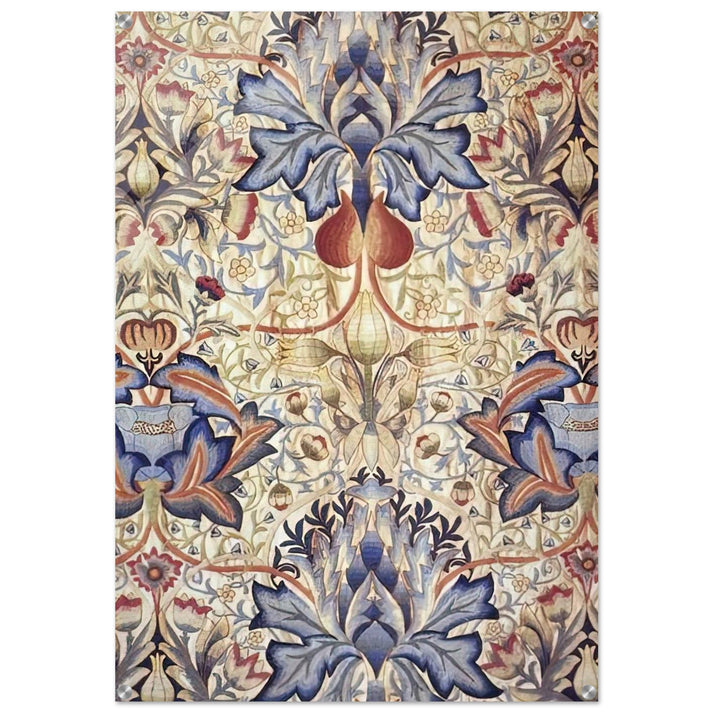
ACANTHUS EMBROIDERED PANEL 1890 - William Morris Acrylic Print - 70x100 cm / 28x40″ inches
ACANTHUS EMBROIDERED PANEL 1890 - William Morris Acrylic Print - 70x100 cm / 28x40″ inches
Couldn't load pickup availability
Experience the Timeless Elegance of William Morris: The Acanthus Embroidered Panel (1890)
Step into the late 19th-century Arts and Crafts movement with this breathtaking reproduction of the Acanthus Embroidered Panel, a quintessential masterpiece by William Morris. Originally designed in 1890, this piece exemplifies Morris's philosophy of "art for all" and his profound reverence for the organic complexities of nature. This fine art print captures the lush, swirling foliage and intricate texture of the original textile work, now reimagined for the modern interior.
Our museum-quality reproduction is presented on a 4mm (0.15") acrylic surface, elevating the classic Victorian aesthetic with a sleek, contemporary finish. The acanthus leaf—a staple of classical architecture—is transformed here into a rhythmic, flowing pattern that symbolizes longevity and rebirth. This William Morris acrylic print is not merely a decorative element; it is an enduring tribute to the craftsmanship of the Kelmscott era.
Artisanal Quality and Technical Precision
- Superior Material: Crafted from 4mm (0.15") high-grade acrylic for unparalleled depth, vibrancy, and durability.
- Modern Presentation: Features straight-cut corners and a polished finish that enhances the visual richness of the embroidery-inspired details.
- Ready to Display: Each piece includes a professional hanging kit with screws and pre-drilled holes (14mm from the edge) for a secure, floating effect.
- Optimal Clarity: Any transparent backgrounds default to white, ensuring the complex botanical layers pop against your walls.
At RedKalion, we curate more than just images; we preserve heritage. By utilizing archival-grade materials, we ensure that your Acanthus Embroidered Panel remains a centerpiece of sophistication for generations. Elevate your space with an archival masterpiece that endures through time.

Discover Unlimited Art Possibilities
At RedKalion, you can find virtually any artwork from any artist, available in a wide range of sizes to perfectly match your space.
If you didn’t find what you’re looking for, contact us at support@redkalion.com . We will source any artwork and produce it in any size and format you need, including art prints, posters, canvas, framed pieces, framed canvas, and more.
For dedicated art enthusiasts, we also offer handcrafted replicas of any artwork, carefully painted by highly skilled artists using traditional techniques.
For custom requests, contact us at support@redkalion.com .
What is the material and finish of this William Morris print?
This print is crafted from 4mm (0.15") premium acrylic, providing a sleek, vibrant, and durable finish. The high-gloss surface enhances the color depth of the Acanthus pattern, creating a modern look with straight-cut corners.
How is the acrylic print mounted?
Each print includes a comprehensive hanging kit with screws. Four pre-drilled holes (8mm diameter) are located 14mm from each corner, designed to fit the provided 15mm screw heads for a secure and stylish installation.
Will the colors fade over time?
RedKalion utilizes archival-grade printing techniques on our acrylic panels. This ensures your museum-quality reproduction maintains its original color saturation and detail for decades, resisting the fading typical of lower-quality prints.
How do I clean and maintain my acrylic artwork?
To maintain the pristine finish, simply wipe the surface with a soft, microfiber cloth. Avoid using harsh chemical cleaners; a slightly damp cloth is usually sufficient to remove dust and maintain the acrylic's clarity.
What is the shipping and handling process?
We prioritize the safe arrival of your artwork. Each acrylic panel is carefully packed in protective materials to prevent scratches or breakage during transit, ensuring your RedKalion piece arrives in gallery condition.
What is the significance of the Acanthus motif in William Morris's work?
The Acanthus was a favorite motif of William Morris, representing his fascination with medieval and classical design. In the 1890 panel, it showcases his mastery of organic, repeating patterns that suggest infinite growth and natural vitality.
Was this specific 1890 panel originally an embroidery?
Yes, the original "Acanthus" design was created as a large-scale embroidery. Morris & Co. produced these panels for decorative wall hangings, emphasizing the tactile beauty of needlework which is visually captured in this high-definition print.