RedKalion
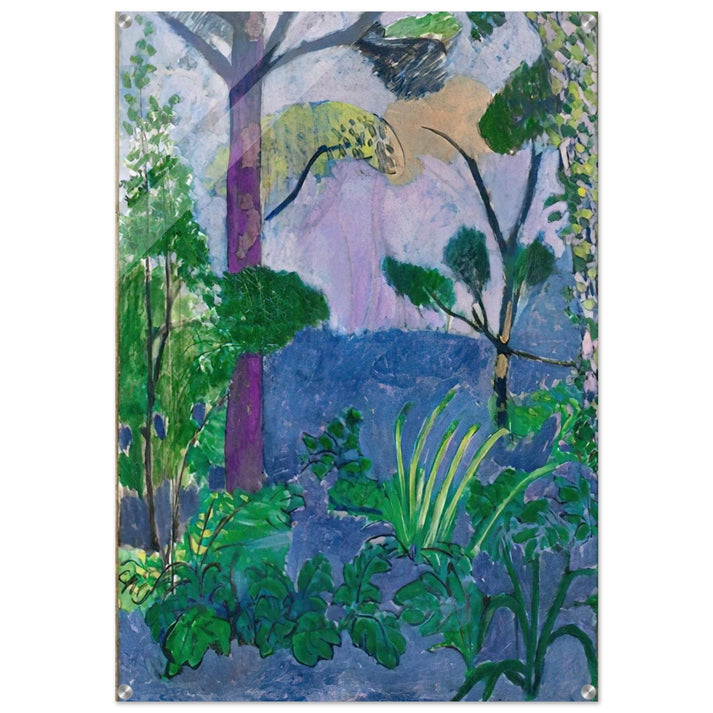
ACANTHUS MOROCCAN LANDSCAPE 1912 - Henri Matisse Acrylic Print - 70x100 cm / 28x40″ inches
ACANTHUS MOROCCAN LANDSCAPE 1912 - Henri Matisse Acrylic Print - 70x100 cm / 28x40″ inches
Couldn't load pickup availability
A Masterpiece of Fauvist Serenity: Henri Matisse’s Acanthus Moroccan Landscape (1912)
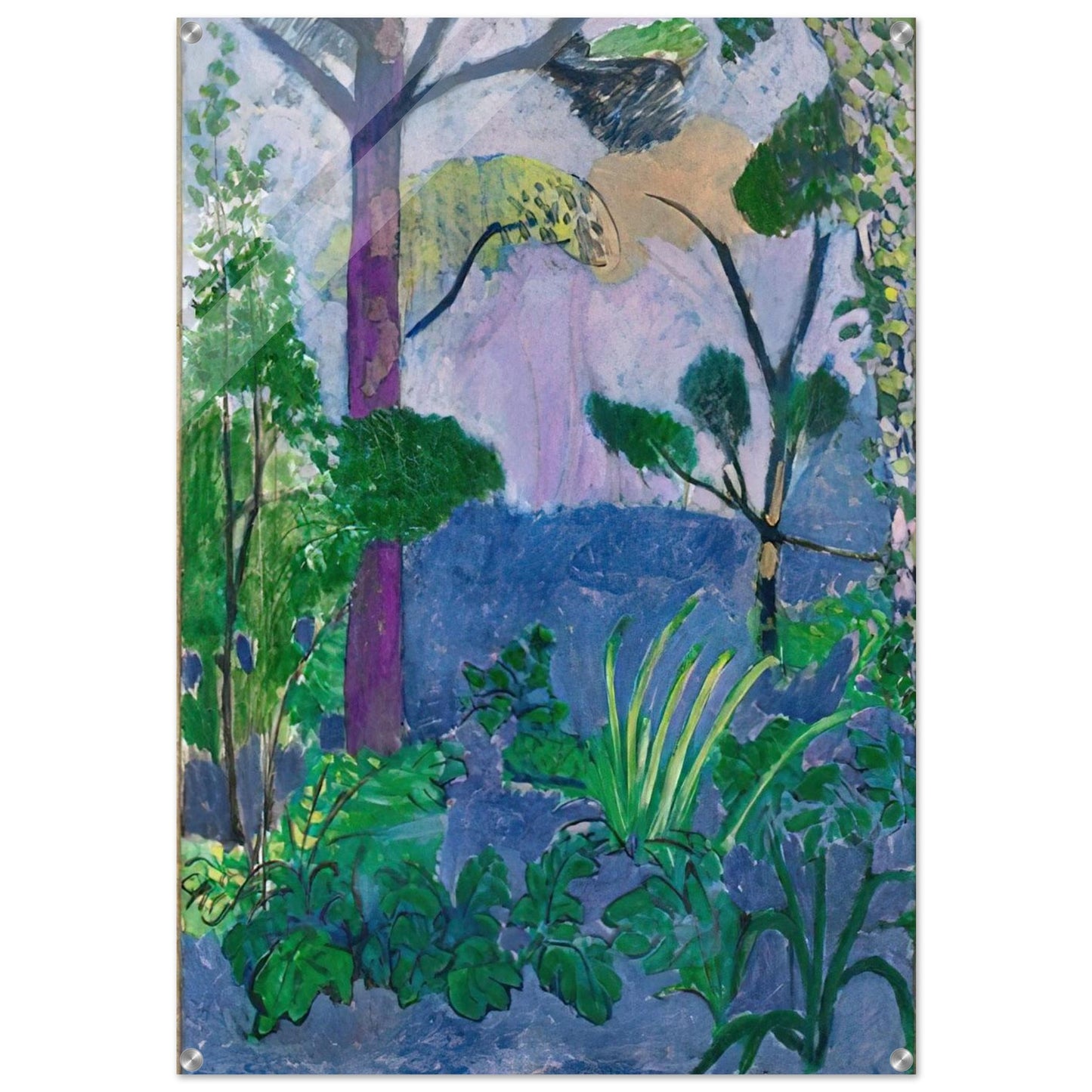
Experience the vibrant allure of Tangier through the eyes of a master. The Acanthus Moroccan Landscape (1912) by Henri Matisse represents a pivotal moment in early 20th-century modernism. During his travels to Morocco, Matisse was captivated by the North African light and the rhythmic beauty of local flora. This piece, now available as a museum-quality reproduction from RedKalion, captures the essence of his Fauvist roots while embracing the decorative architectural patterns that would define his later career.
Our acrylic print technology breathes new life into Matisse’s palette. The lush greens of the acanthus leaves and the deep, atmospheric blues are rendered with unparalleled depth and clarity. Unlike traditional glass, our 4mm (0.15") acrylic provides a sleek, shatter-resistant finish that enhances the color saturation and luminosity of the original 1912 masterpiece, making it a sophisticated centerpiece for any contemporary space.
Uncompromising Quality and Craftsmanship
At RedKalion, we curate archival-grade art for the discerning collector. This 70x100 cm (28x40") fine art print is engineered for both beauty and longevity. The straight-cut corners offer a clean, modern aesthetic, while the transparent areas of the composition are backed with a delicate white layer to ensure the colors remain true to Matisse’s vision.
- Premium Material: High-grade 4mm acrylic for a vibrant, glass-like depth.
- Sophisticated Mounting: Includes a professional hanging kit with screws and pre-drilled holes.
- Historical Accuracy: Expertly color-matched to reflect the 1912 original.
- Durable Design: UV-resistant and built to endure as an archival masterpiece.
Elevate your interior with a piece of art history. This reproduction is not merely a print; it is an invitation to explore the harmony of nature and color through the lens of Henri Matisse.
Discover Unlimited Art Possibilities
At RedKalion, you can find virtually any artwork from any artist, available in a wide range of sizes to perfectly match your space.
If you didn’t find what you’re looking for, contact us at support@redkalion.com . We will source any artwork and produce it in any size and format you need, including art prints, posters, canvas, framed pieces, framed canvas, and more.
For dedicated art enthusiasts, we also offer handcrafted replicas of any artwork, carefully painted by highly skilled artists using traditional techniques.
For custom requests, contact us at support@redkalion.com .
What defines the quality of this Henri Matisse acrylic print?
RedKalion utilizes premium 4mm (0.15") acrylic, which provides superior color vibrancy and a sleek, durable finish. This museum-quality reproduction offers a modern, high-definition alternative to traditional canvas or framed paper prints.
Is the mounting hardware included with the Acanthus Moroccan Landscape?
Yes, each print includes a dedicated hanging kit with screws. The acrylic features pre-drilled holes at each corner, located 14mm from the edge, with 8mm diameter holes and 15mm screw heads for secure installation.
How does RedKalion ensure the longevity of this museum-quality reproduction?
We use archival-grade inks and UV-resistant acrylic materials to prevent fading and yellowing. This ensures that your Henri Matisse masterpiece maintains its brilliant Moroccan hues for decades, even in well-lit environments.
What are the shipping and handling protocols for large-format acrylic prints?
Our 70x100 cm prints are meticulously packaged in protective layers and reinforced crates. This specialized handling ensures that your investment arrives in pristine condition, ready for immediate display in your home or gallery.
Does the 70x100 cm print feature transparent elements?
While the acrylic is naturally clear, any transparent or white areas in Matisse's original 1912 composition are printed with a solid white backing. This ensures the colors remain opaque and vibrant against any wall color.
Why did Henri Matisse choose the Acanthus motif during his Moroccan period?
Matisse was fascinated by the rhythmic, scrolling forms of the Acanthus plant found in Moroccan gardens. It allowed him to explore the intersection of organic nature and decorative pattern, a hallmark of his 1912 Tangier series.
Is this 1912 landscape considered Fauvism or Early Modernism?
This work sits at the crossroads. While it retains the bold, expressive color of Fauvism, it displays a burgeoning interest in structured composition and decorative flat planes that heralded the rise of Early Modernism.