

RedKalion
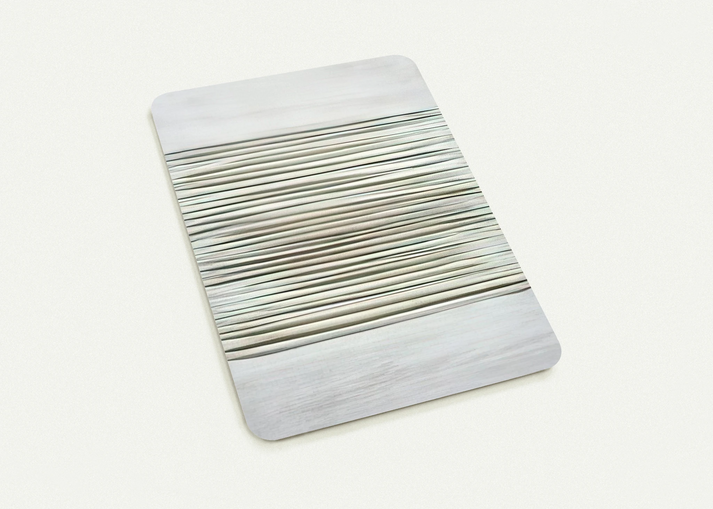
Achrome - 1959 By Piero Manzoni Pack of 10 Post Cards | Piero Manzoni Post Cards | A6 (10.5 x 14.8 cm) - 4.1 x 5.8 inches
Achrome - 1959 By Piero Manzoni Pack of 10 Post Cards | Piero Manzoni Post Cards | A6 (10.5 x 14.8 cm) - 4.1 x 5.8 inches
Couldn't load pickup availability
Achrome - 1959: Piero Manzoni’s Radical Conceptual Masterpiece
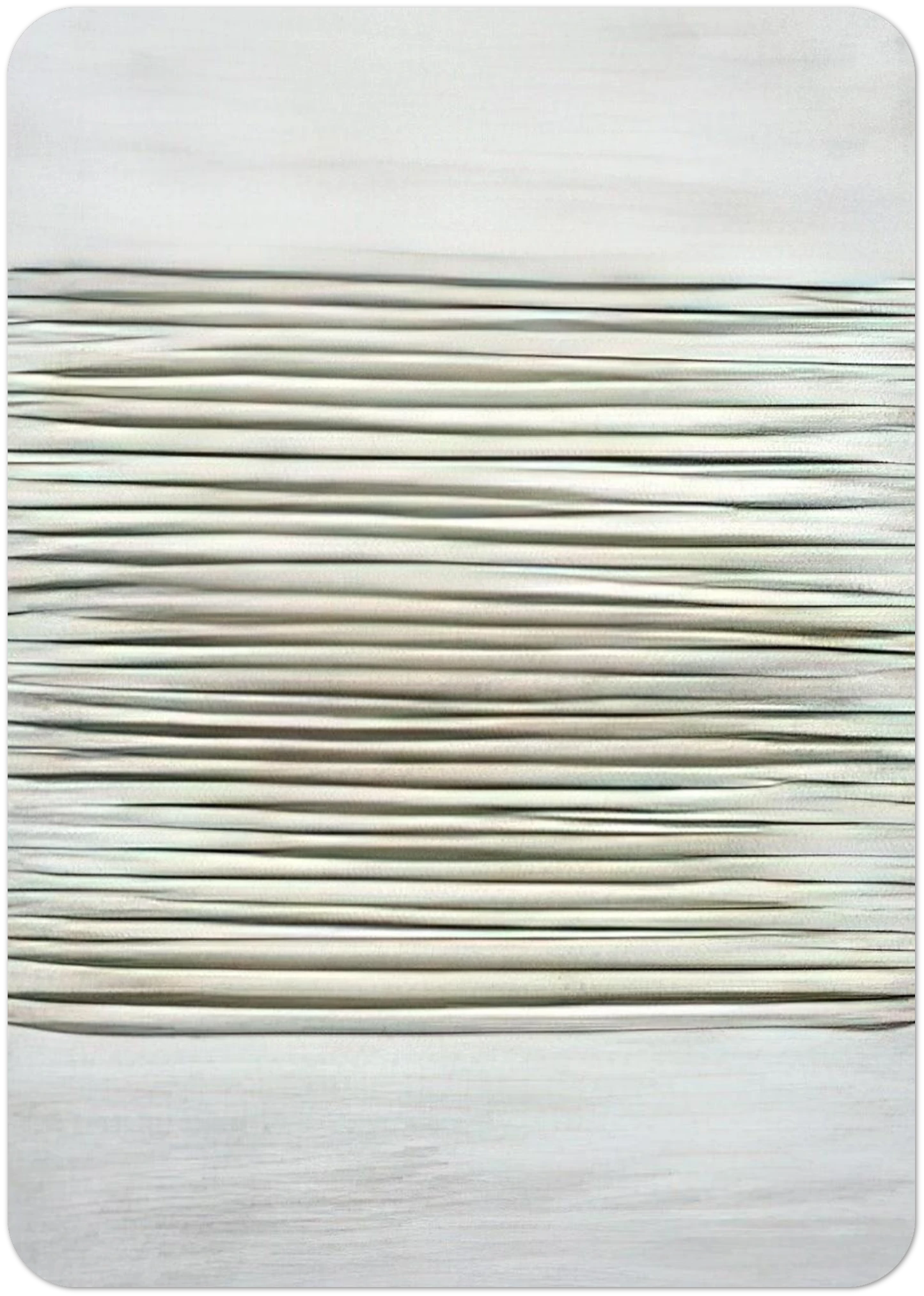
Piero Manzoni’s Achrome series represents a transformative moment in 20th-century art, where the canvas ceased to be a window into another world and became a physical object in its own right. Created in 1959, this specific iteration of Achrome explores the concept of the 'colorless' surface. By utilizing materials such as kaolin (china clay) and pleated canvas, Manzoni eliminated the artist's gesture, allowing the material to dictate its own form. This set of 10 museum-quality postcards captures the subtle interplay of shadow and texture that defines this avant-garde milestone.
At RedKalion, we believe that even a postcard should be a work of art. These reproductions are crafted using our advanced 12-color fine art printing technology. While standard commercial printing relies on a 4-color process, our method ensures the nuanced off-whites and textural depths of Manzoni’s original work are rendered with absolute fidelity. The result is a museum-quality reproduction that serves as a sophisticated tribute to the Arte Povera and Conceptual Art movements.
Premium Technical Specifications:
- Exquisite Material: Printed on 200 gsm (80 lb) archival-grade paper with a thickness of 0.26 mm (10.3 mils).
- Sophisticated Finish: A smooth matte coating provides a glare-free, tactile experience, perfect for framing or correspondence.
- Color Precision: 12-color wide-gamut printing technology for stunning accuracy and depth.
- Sustainable Excellence: Every card is printed on FSC-certified paper, reflecting our commitment to environmental responsibility.
- Versatile Dimensions: A6 size (10.5 x 14.8 cm / 4.1 x 5.8 inches), ideal for personalized notes or a curated wall display.
Elevate your correspondence or your workspace with an archival masterpiece that endures. These cards are printed on demand, ensuring that each set meets the rigorous quality standards expected by curators and collectors alike.


Discover Unlimited Art Possibilities
At RedKalion, you can find virtually any artwork from any artist, available in a wide range of sizes to perfectly match your space.
If you didn’t find what you’re looking for, contact us at support@redkalion.com . We will source any artwork and produce it in any size and format you need, including art prints, posters, canvas, framed pieces, framed canvas, and more.
For dedicated art enthusiasts, we also offer handcrafted replicas of any artwork, carefully painted by highly skilled artists using traditional techniques.
For custom requests, contact us at support@redkalion.com .
What is included in this Piero Manzoni postcard set?
This set includes 10 identical A6 postcards (10.5 x 14.8 cm) featuring Piero Manzoni’s Achrome (1959). Each card is a museum-quality fine art print suitable for framing, collection, or high-end correspondence.
How does 12-color printing differ from standard postcard printing?
Our 12-color technology uses a wider spectrum of pigments than standard 4-color inkjets. This allows for smoother gradients and more accurate reproduction of the subtle textures found in Manzoni’s monochromatic masterpieces.
What is the weight and finish of the paper?
We use premium 200 gsm (80 lb) FSC-certified paper with a thickness of 0.26 mm. The smooth matte finish ensures a clean, glare-free appearance that highlights the artwork's intricate details.
Are these postcards environmentally friendly?
Yes. RedKalion uses FSC-certified paper from responsibly managed forests. Additionally, our print-on-demand model reduces waste by only producing what is ordered, supporting a more sustainable art market.
Will the print fade over time?
These postcards are printed using archival-grade inks on heavy-weight paper. This ensures long-term color vibrancy and resistance to fading, maintaining the integrity of the Achrome reproduction for years.
What does the term 'Achrome' signify in Manzoni's work?
'Achrome' literally means 'without color.' Manzoni used this term to describe works that focused purely on the physical properties of the materials, such as kaolin or fabric, rather than traditional artistic expression.
Why is the 1959 Achrome series historically significant?
The 1959 series was pivotal in the transition toward Conceptual Art. It challenged the idea that art must be 'about' something, instead presenting the canvas as a self-referential, total space of possibility.