

RedKalion
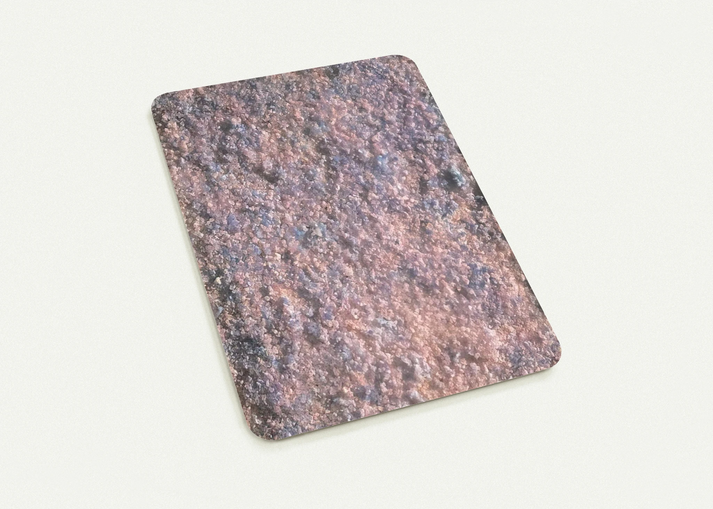
Achrome - 1960 By Piero Manzoni Pack of 10 Post Cards | Piero Manzoni Post Cards | A6 (10.5 x 14.8 cm) - 4.1 x 5.8 inches
Achrome - 1960 By Piero Manzoni Pack of 10 Post Cards | Piero Manzoni Post Cards | A6 (10.5 x 14.8 cm) - 4.1 x 5.8 inches
Couldn't load pickup availability
Elevate Your Correspondence with Piero Manzoni’s Achrome (1960)
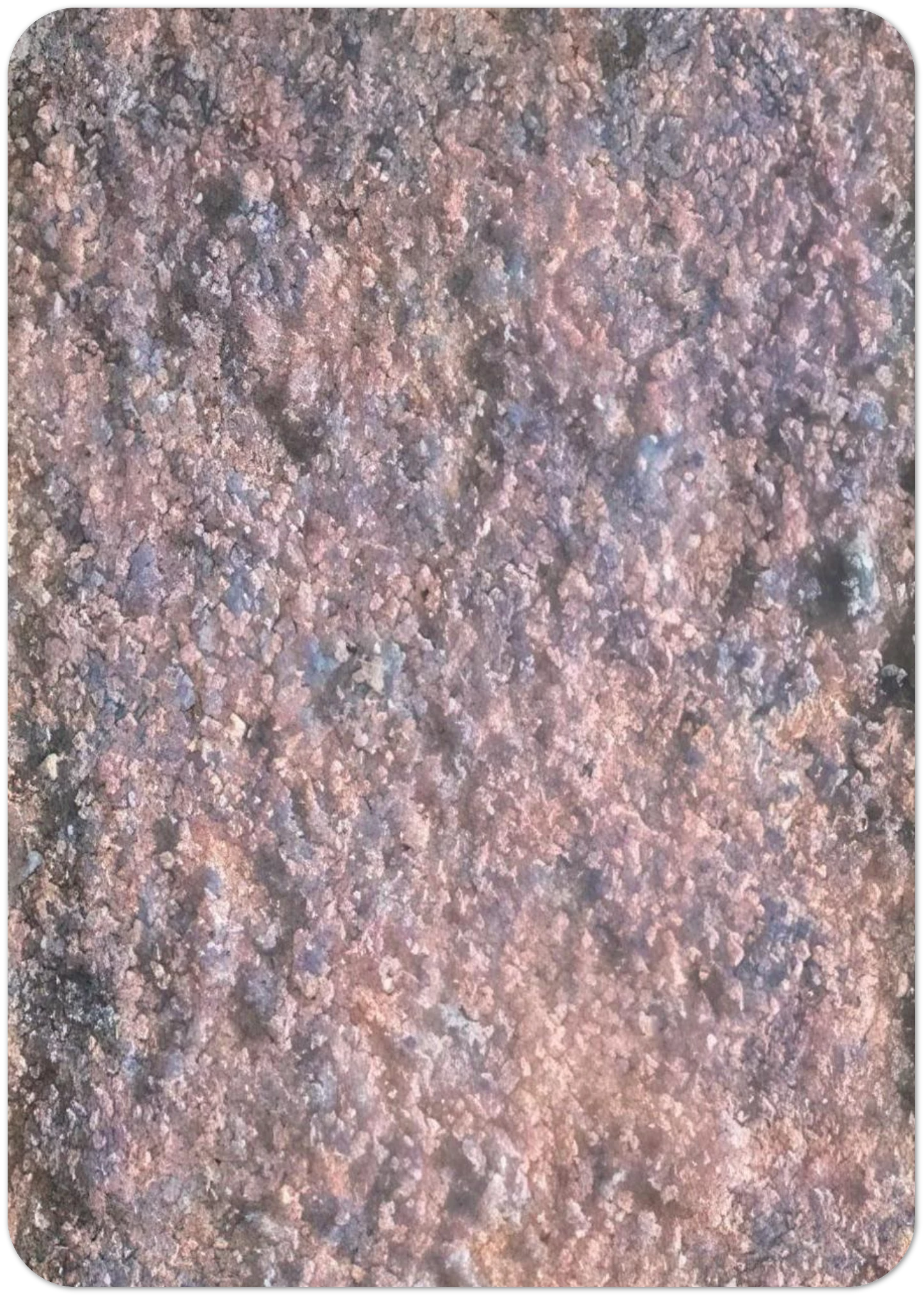
Experience the radical minimalism of the Italian avant-garde with this exquisite pack of 10 fine art postcards, featuring Piero Manzoni’s Achrome - 1960. A seminal figure in 20th-century conceptual art, Manzoni sought to strip the canvas of narrative and emotion, focusing instead on the raw materiality of the surface. This 1960 iteration of the Achrome series showcases his signature use of kaolin-soaked canvas and rhythmic pleating, creating a 'colorless' work that lives through shadow and light.
Museum-Quality Reproductions for the Discerning Collector
At RedKalion, we believe that even the smallest formats should reflect the integrity of the original masterpiece. These A6 postcards are produced using our proprietary 12-color fine art printing technology. Unlike standard 4-color commercial prints, our process captures the subtle tonal shifts and tactile depth of Manzoni’s white-on-white compositions, ensuring each card is a true archival-grade reproduction.
Exquisite Materials and Sustainable Craftsmanship
Each postcard is a testament to quality and environmental responsibility. We utilize 200 gsm (80 lb) FSC-certified paper, providing a substantial, premium feel that commands respect. The smooth matte finish ensures a clean, glare-free display of the artwork, making these cards equally suitable for framing as a miniature gallery wall or sending a sophisticated sentiment to a fellow art enthusiast.
- Artist: Piero Manzoni (1933–1963)
- Title: Achrome, 1960
- Format: Pack of 10 flat postcards (A6 size)
- Print Technology: 12-color archival inkjet for superior vibrancy
- Paper: 200 gsm thickness (0.26 mm) with a smooth matte finish
- Sustainability: FSC-certified, printed on demand to minimize environmental impact


Discover Unlimited Art Possibilities
At RedKalion, you can find virtually any artwork from any artist, available in a wide range of sizes to perfectly match your space.
If you didn’t find what you’re looking for, contact us at support@redkalion.com . We will source any artwork and produce it in any size and format you need, including art prints, posters, canvas, framed pieces, framed canvas, and more.
For dedicated art enthusiasts, we also offer handcrafted replicas of any artwork, carefully painted by highly skilled artists using traditional techniques.
For custom requests, contact us at support@redkalion.com .
What is the print quality of these Achrome postcards?
We use 12-color fine art printing technology to ensure vivid, accurate colors and stunning depth. This process captures the subtle textures of Manzoni’s work far better than standard 4-color inkjet printing.
What kind of paper is used for this Manzoni collection?
These cards are printed on 200 gsm (80 lb) FSC-certified paper. At a thickness of 0.26 mm, the paper offers a premium feel with a smooth, glare-free matte finish.
Are these postcards environmentally friendly?
Yes. All RedKalion prints use FSC-certified paper and are printed on demand. This approach eliminates overproduction and reduces waste, ensuring an eco-conscious purchase.
How do you ensure the accuracy of a 'colorless' artwork?
Our 12-color process is essential for 'Achromes.' It allows for a wider gamut of greys and whites, capturing the delicate shadows and sculptural pleats of the original 1960 piece.
What are the shipping and ordering terms for this pack?
These postcards are printed on demand with no minimum order requirements. This ensures every pack meets our archival standards before being shipped directly to your door.
What does 'Achrome' represent in Piero Manzoni’s work?
'Achrome' means 'without color.' Manzoni intended these works to be a neutral surface, free from artistic expression, focusing solely on the physical presence of the materials used.
Why did Manzoni use kaolin and pleats in this 1960 piece?
Manzoni used kaolin (china clay) to allow the canvas to self-form as it dried. The pleats create a rhythmic, tactile surface that interacts with light, emphasizing the artwork as an object.