

RedKalion
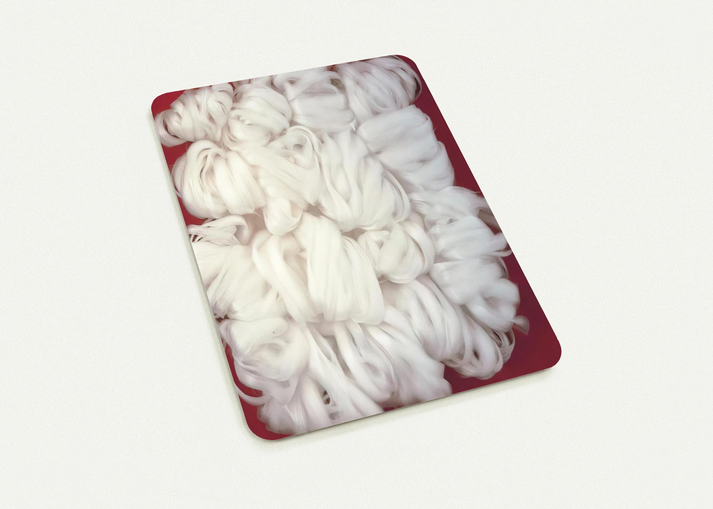
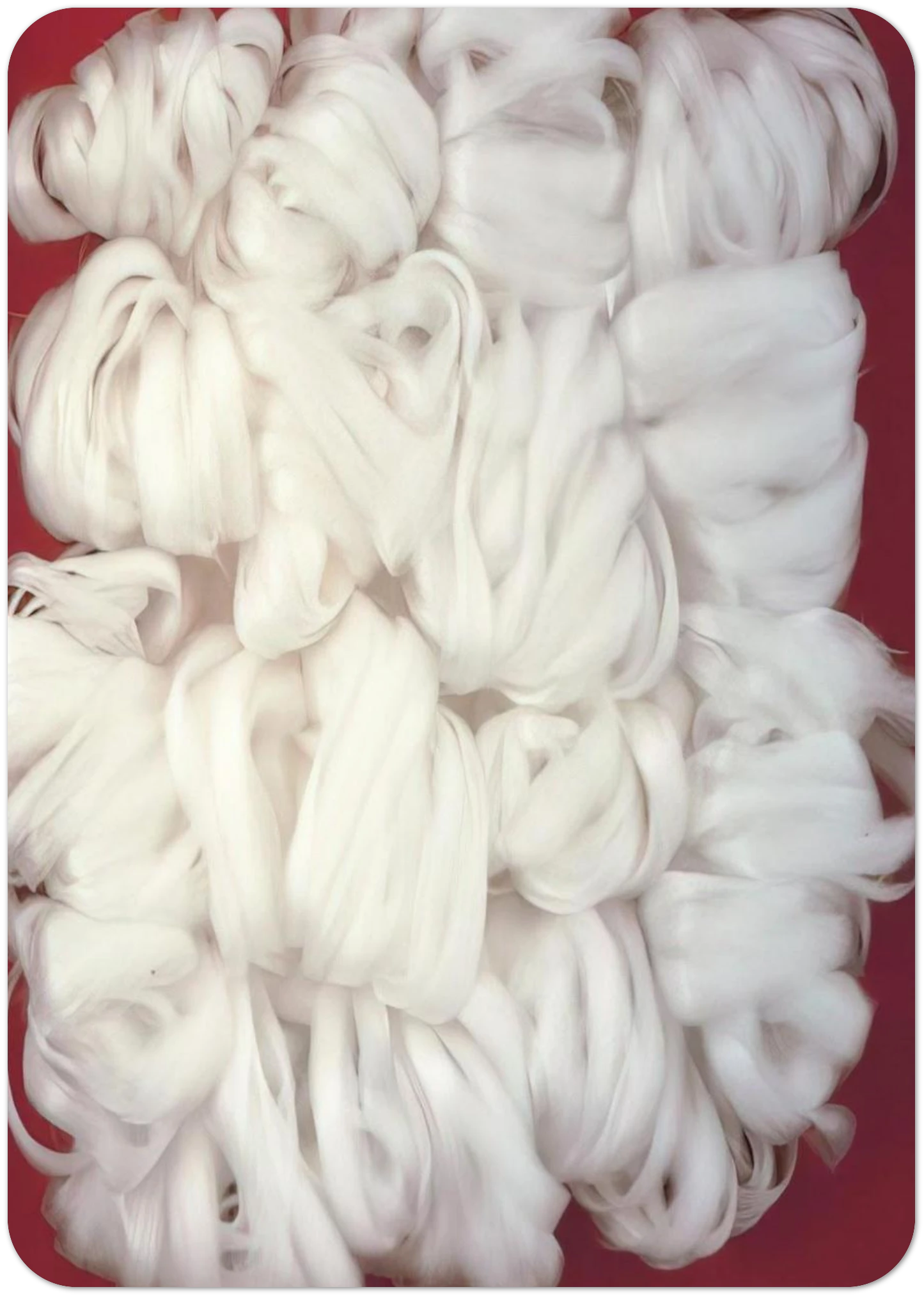
Achrome - 1961 By Piero Manzoni Pack of 10 Post Cards | Piero Manzoni Post Cards | A6 (10.5 x 14.8 cm) - 4.1 x 5.8 inches
Achrome - 1961 By Piero Manzoni Pack of 10 Post Cards | Piero Manzoni Post Cards | A6 (10.5 x 14.8 cm) - 4.1 x 5.8 inches
Couldn't load pickup availability
Piero Manzoni: Achrome (1961) – The Purity of Materiality
Step into the avant-garde world of the 1960s with this exquisite pack of ten post cards featuring Achrome (1961) by Piero Manzoni. A visionary of Italian conceptual art, Manzoni sought to liberate the canvas from the constraints of color and narrative. His Achromes are not 'paintings' in the traditional sense, but autonomous surfaces that emphasize the raw, tactile presence of material. This 1961 work showcases the peak of his experimentation, where the absence of color invites the viewer to experience the subtle interplay of shadow and texture.
Archival-Grade Fine Art Reproductions
RedKalion brings this museum-quality masterpiece into your hands using our proprietary 12-color fine art printing technology. Unlike standard 4-color inkjet processes, our method captures the infinitesimal variations in tone and texture that define Manzoni’s work, ensuring a vivid and accurate reproduction on a miniature scale. Each A6 (10.5 x 14.8 cm) post card serves as a testament to RedKalion’s commitment to archival longevity and aesthetic precision.
- Premium Paper: 200 gsm (80 lb) weight with a professional 0.26 mm thickness for a substantial, high-end feel.
- Sophisticated Finish: A smooth matte finish that eliminates glare, allowing the conceptual depth of the Achrome to be viewed in any lighting.
- Sustainable Excellence: Printed on FSC-certified, eco-friendly paper, supporting both art and the environment.
- Craftsmanship: Each card is a 10.3 mil thick, museum-standard reproduction designed for those who appreciate the finer details of art history.
Whether utilized for sophisticated correspondence or as a curated collection for display, these Piero Manzoni post cards offer an enduring encounter with radical minimalism. Elevate your space or your sentiments with an archival masterpiece that honors the legacy of one of art's most provocative figures.


Discover Unlimited Art Possibilities
At RedKalion, you can find virtually any artwork from any artist, available in a wide range of sizes to perfectly match your space.
If you didn’t find what you’re looking for, contact us at support@redkalion.com . We will source any artwork and produce it in any size and format you need, including art prints, posters, canvas, framed pieces, framed canvas, and more.
For dedicated art enthusiasts, we also offer handcrafted replicas of any artwork, carefully painted by highly skilled artists using traditional techniques.
For custom requests, contact us at support@redkalion.com .
What makes the printing quality of these post cards unique?
We use 12-color fine art printing technology. This provides superior color vibrancy and depth compared to standard 4-color printing, ensuring the subtle textures of Manzoni’s Achrome are captured with stunning accuracy.
What are the paper specifications for this set?
Each card is printed on 200 gsm (80 lb) paper with a thickness of 0.26 mm (10.3 mils). It features a smooth matte finish for a glare-free, premium tactile experience.
Is the paper used for these post cards eco-friendly?
Yes, sustainability is a core value at RedKalion. These post cards are printed on FSC-certified paper, ensuring they meet the highest environmental and social standards for responsible forestry.
How are my post cards produced and shipped?
Our products are printed on demand to reduce waste. There are no minimum order requirements, and each pack is carefully prepared to ensure it reaches you in gallery condition.
What is the exact size of the cards in this pack?
These are A6 size post cards, measuring 10.5 x 14.8 cm (4.1 x 5.8 inches), making them ideal for standard mailing or framing in small desktop displays.
What does the term 'Achrome' signify in Manzoni's work?
Coined by Manzoni, 'Achrome' means 'colorless.' These works focus on the physical properties of materials like kaolin, fiber, or stone, removing the artist's subjective expression to let the material exist on its own terms.
Why is the year 1961 significant for the Achrome series?
By 1961, Manzoni had moved beyond kaolin-soaked canvases into synthetic materials like glass wool and polystyrene. This era represents his most radical exploration of texture as a self-sufficient artistic element.