

RedKalion
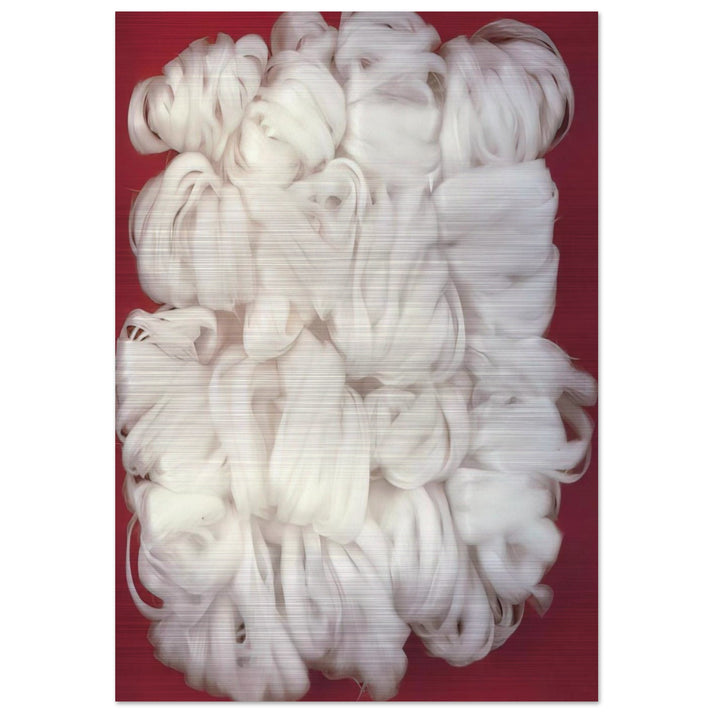
Achrome - 1961 - Piero Manzoni Brushed Aluminum Print - 70x100 cm / 28x40 inches | Piero Manzoni Aluminum Print | Piero Manzoni Prints
Achrome - 1961 - Piero Manzoni Brushed Aluminum Print - 70x100 cm / 28x40 inches | Piero Manzoni Aluminum Print | Piero Manzoni Prints
Couldn't load pickup availability
The Radical Materiality of Piero Manzoni’s Achrome (1961)
Elevate your interior with a museum-quality reproduction of Piero Manzoni’s Achrome (1961), a definitive masterpiece of 20th-century conceptualism. Part of Manzoni’s seminal series of 'colorless' works, this piece moves beyond traditional painting to explore the raw, existential presence of material. At RedKalion, we have curated this fine art print to honor Manzoni’s legacy, utilizing advanced printing techniques that capture the subtle textures and avant-garde spirit of the original work.
An Archival Masterpiece on Brushed Aluminum
This premium Piero Manzoni Aluminum Print is rendered on a 3mm (0.12") brushed silver Aluminum DIBOND® substrate. The horizontal grain of the metal provides a dynamic, sophisticated background that mirrors the industrial and tactile nature of the 1961 Achrome. White and light areas of the artwork are not printed with ink; instead, the brushed silver metallic finish shines through, creating a stunning interplay of light and shadow that changes as you move across the room.
Exquisite Detail and Enduring Quality
- Authentic Texture: The direct-to-surface print ensures vivid clarity and a sophisticated matte finish, eliminating glare in any lighting condition.
- Premium Durability: The 3mm DIBOND® core provides exceptional rigidity and a slim, modern profile for a gallery-standard presentation.
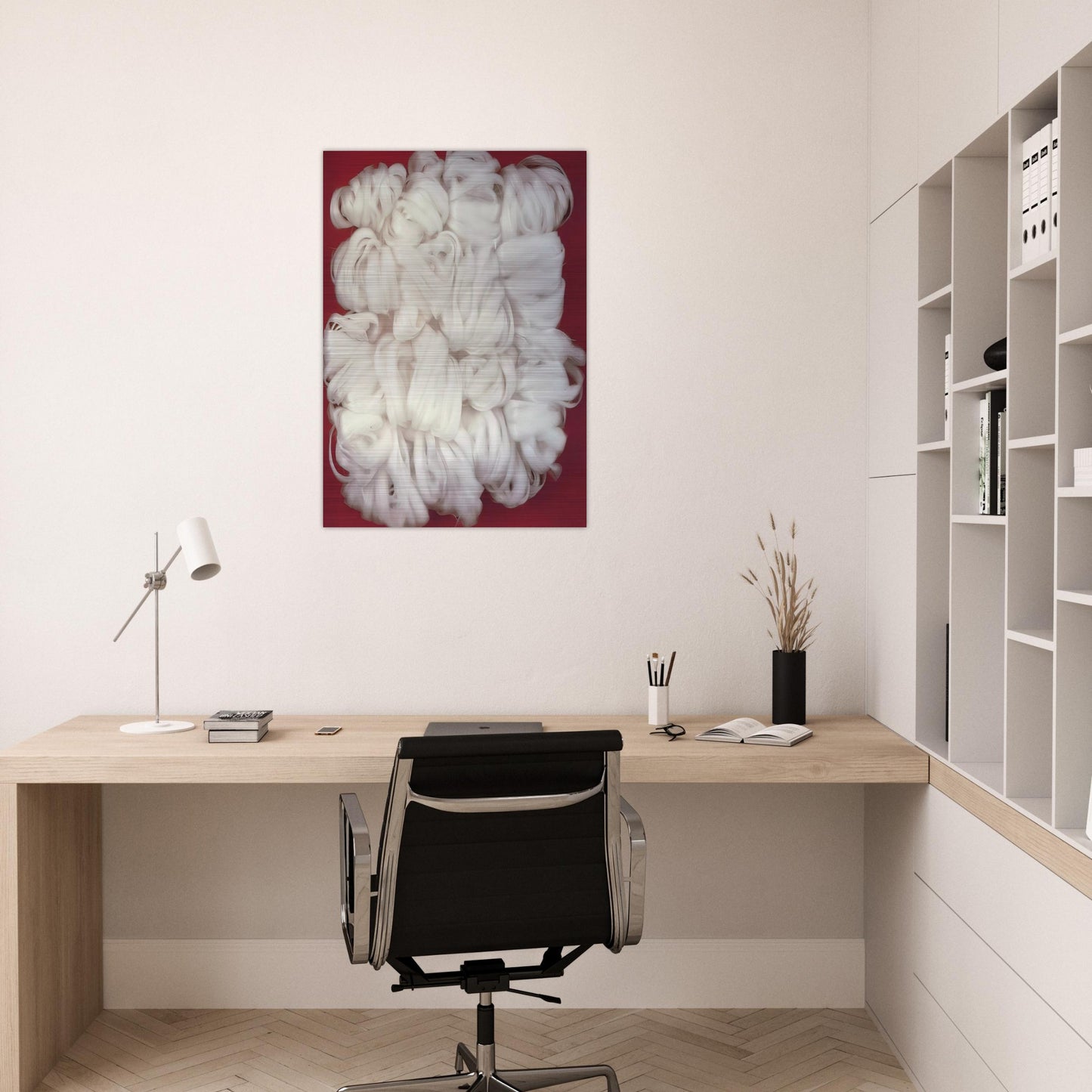
- Sophisticated Aesthetic: Ideal for minimalist or contemporary spaces, this piece transforms a wall into a focal point of intellectual and visual interest.
- Ready to Exhibit: Each print arrives with a specialized hanging kit tailored to your region, ensuring a seamless and secure installation.
By choosing this archival-grade reproduction, you are investing in a piece that bridges the gap between mid-century radicalism and modern luxury. Manzoni’s quest for a 'total space' is perfectly encapsulated in this brushed aluminum medium, offering a sensory experience that endures for generations.


Discover Unlimited Art Possibilities
At RedKalion, you can find virtually any artwork from any artist, available in a wide range of sizes to perfectly match your space.
If you didn’t find what you’re looking for, contact us at support@redkalion.com . We will source any artwork and produce it in any size and format you need, including art prints, posters, canvas, framed pieces, framed canvas, and more.
For dedicated art enthusiasts, we also offer handcrafted replicas of any artwork, carefully painted by highly skilled artists using traditional techniques.
For custom requests, contact us at support@redkalion.com .
What material is used for the Piero Manzoni Achrome print?
The artwork is printed on 3mm brushed silver Aluminum DIBOND®, featuring a horizontal grain and a metallic finish that enhances the industrial aesthetic of the fine art print.
Is the hanging hardware included with the print?
Yes, each Piero Manzoni Aluminum Print includes a high-quality hanging kit, which varies slightly depending on the country of fulfillment to ensure the best fit.
What is the finish of the aluminum print?
The print features a sophisticated matte, glare-free finish. Unprinted white areas reveal the brushed silver metallic effect, providing a unique depth to the Achrome composition.
How long will this archival print last?
RedKalion utilizes museum-quality inks and UV-resistant aluminum substrates, ensuring your reproduction remains vibrant and structurally sound for decades in indoor environments.
How is the artwork packaged for shipping?
We use heavy-duty, secure packaging specifically designed for large-format art to ensure your Piero Manzoni masterpiece arrives in pristine, gallery condition.
What does 'Achrome' signify in Manzoni's work?
'Achrome' literally means 'without color.' Manzoni intended to strip the canvas of emotional expression and narrative, focusing entirely on the raw materiality of the surface.
Why is the 1961 Achrome historically significant?
The 1961 iteration represents the height of Manzoni's conceptual evolution, where he utilized various materials to redefine the relationship between the viewer, the artist, and the object.