

RedKalion
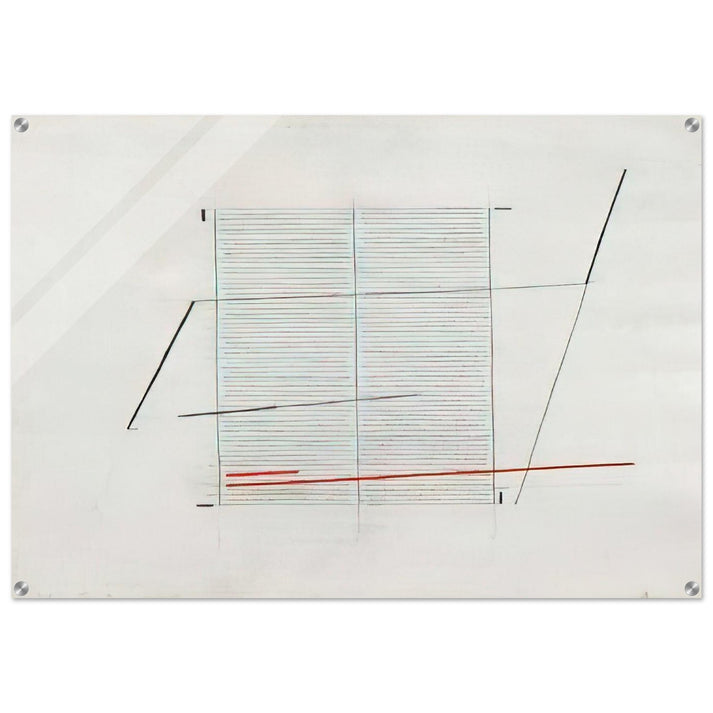
Acrilico K - 1979 - Bice Lazzari Acrylic Print - 70x100 cm / 28x40″ inches
Acrilico K - 1979 - Bice Lazzari Acrylic Print - 70x100 cm / 28x40″ inches
Couldn't load pickup availability
A Symphony of Minimalist Precision: Bice Lazzari’s Acrilico K (1979)
Experience the profound elegance of Italian abstraction with this museum-quality reproduction of Bice Lazzari’s Acrilico K. Painted in 1979, during the twilight of her illustrious career, this work encapsulates Lazzari’s shift from the material-heavy 'Informel' style to a lyrical, disciplined minimalism. As a pioneer who navigated the male-dominated Italian art scene, Lazzari’s late works are celebrated for their rhythmic use of the 'sign'—fine lines and geometric pulses that evoke the structure of a musical score.
This fine art print captures the delicate equilibrium of Lazzari’s vision. The 70x100 cm (28x40″) format provides an immersive window into her world, where every line serves a purpose. RedKalion is proud to offer this archival-grade acrylic print, meticulously curated to honor the artist's legacy while providing a contemporary aesthetic for the discerning collector.
Museum-Quality Craftsmanship
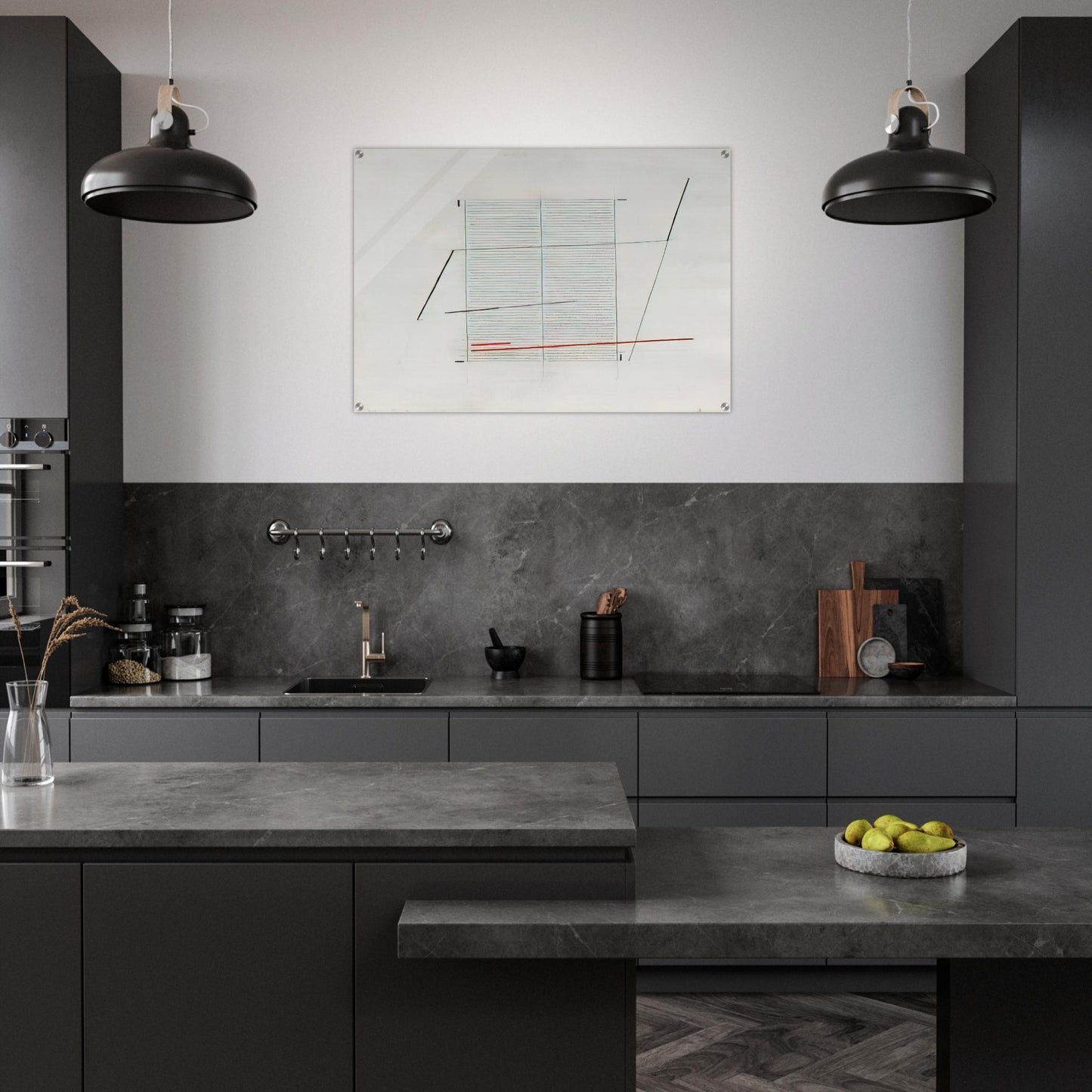
At RedKalion, we believe that world-class art deserves world-class presentation. This piece is rendered on 4mm (0.15") acrylic, a medium that enhances the depth and vibrancy of Lazzari's palette. The sleek, durable finish ensures that the subtle nuances of the 1979 original are preserved with stunning clarity. The straight-cut corners provide a modern, frameless look that allows the artwork to float elegantly on your wall.
- Material: Premium 4mm (0.15") acrylic for vibrant depth and lifelong durability.
- Design: Sophisticated straight-cut corners for a gallery-standard profile.
- Clarity: High-definition printing where transparent backgrounds default to white for maximum visual impact.
- Installation: Includes a professional hanging kit with screws and pre-drilled holes at each corner (14mm from the edge).
Elevate your space with an archival masterpiece that endures. This reproduction is more than a decorative element; it is an invitation to contemplate the quiet power of one of the 20th century’s most significant female abstract artists.


Discover Unlimited Art Possibilities
At RedKalion, you can find virtually any artwork from any artist, available in a wide range of sizes to perfectly match your space.
If you didn’t find what you’re looking for, contact us at support@redkalion.com . We will source any artwork and produce it in any size and format you need, including art prints, posters, canvas, framed pieces, framed canvas, and more.
For dedicated art enthusiasts, we also offer handcrafted replicas of any artwork, carefully painted by highly skilled artists using traditional techniques.
For custom requests, contact us at support@redkalion.com .
What makes this Bice Lazzari acrylic print unique?
This print uses 4mm acrylic to create a depth and luminosity that traditional paper cannot match, perfectly capturing the minimalist essence of Lazzari's late 1970s work.
Is the hanging hardware included with the print?
Yes, each print includes a professional hanging kit with screws. The acrylic features pre-drilled holes (8mm diameter) at each corner for secure and easy installation.
How does RedKalion ensure the archival quality of the print?
We use premium, durable acrylic and archival-grade inks that resist fading, ensuring your museum-quality reproduction maintains its vibrancy for decades.
What is the lead time for shipping this large-format print?
Our team meticulously inspects and packages your 70x100 cm print to ensure it arrives in pristine condition. Typical shipping times vary by region but are handled with priority care.
Will the transparent areas of the artwork be visible?
To ensure the most vibrant and legible presentation of Lazzari's delicate lines, any transparent backgrounds in the original file default to a crisp, clean white.
Who was Bice Lazzari in the context of Italian abstraction?
Bice Lazzari was a groundbreaking Italian artist who transitioned from decorative arts to lyrical abstraction, eventually becoming a master of minimalist 'sign' painting in the 1970s.
What does Acrilico K represent in Lazzari's 1970s period?
Acrilico K represents Lazzari's 'last period,' where she abandoned material density for the purity of acrylic paint, focusing on the rhythmic and musical placement of lines in space.