RedKalion
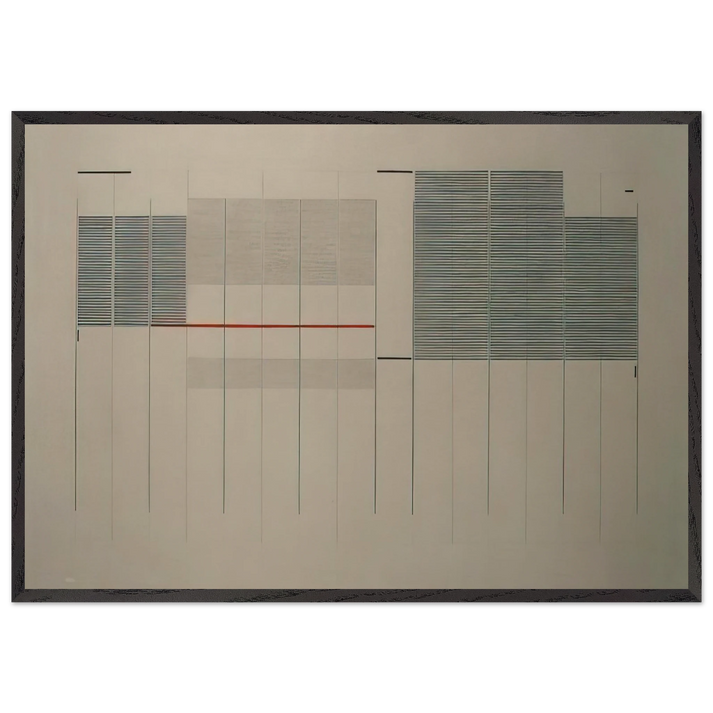
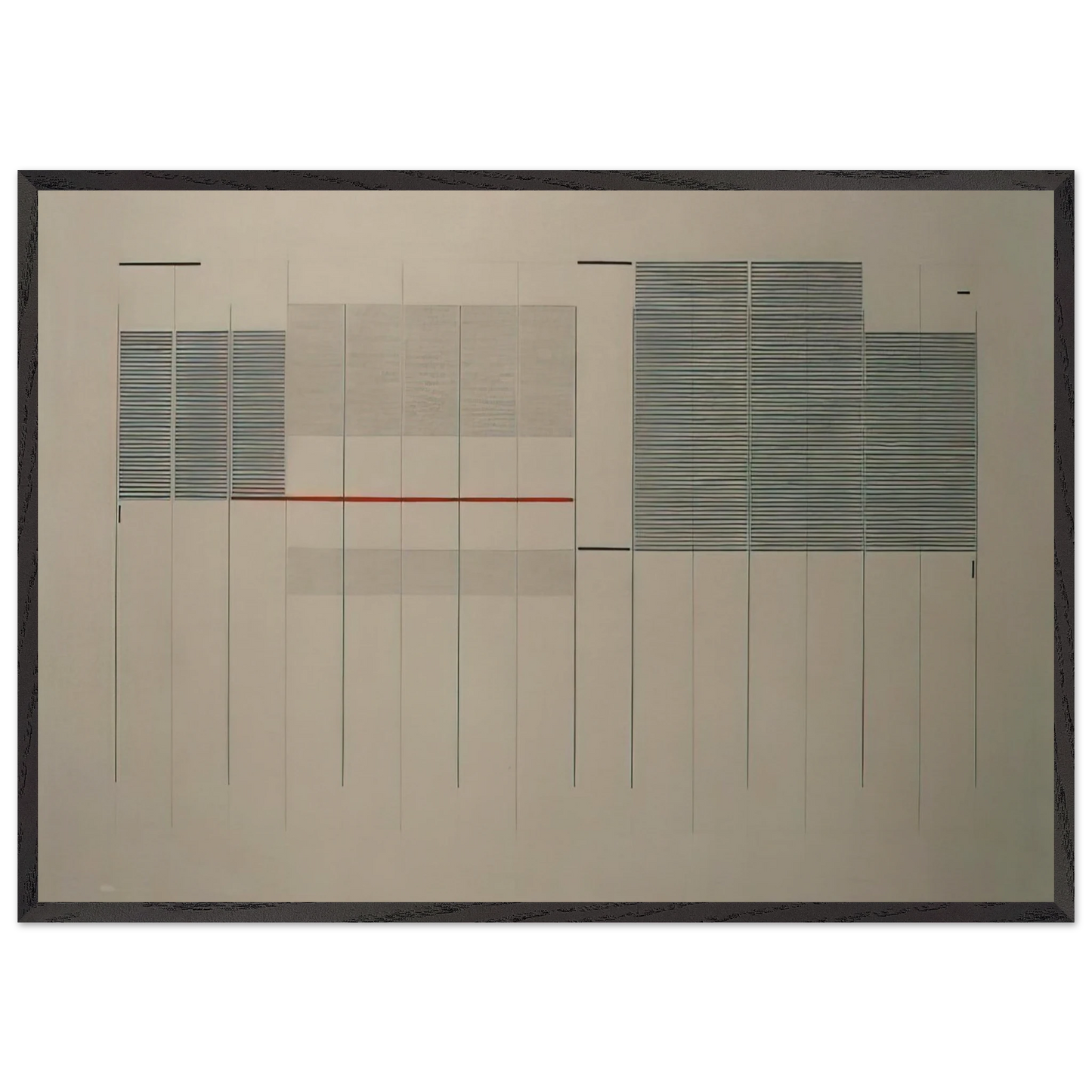
Acrilico no 13 - 1976 - Bice Lazzari 70x100 cm / 28x40 inches Framed Art Print – Black Wooden Frame
Acrilico no 13 - 1976 - Bice Lazzari 70x100 cm / 28x40 inches Framed Art Print – Black Wooden Frame
Couldn't load pickup availability
Elevate Your Space with Bice Lazzari's 'Acrilico no 13' (1976)
Experience the profound rhythmic silence of Italian abstraction with this museum-quality reproduction of Acrilico no 13, a seminal 1976 work by the visionary artist Bice Lazzari. As a pioneer of minimalism and the 'poetry of the sign,' Lazzari transitioned in her later years to acrylics, allowing for a more precise, intellectual exploration of space and line. This 70x100 cm framed art print captures every subtle nuance of her minimalist language, offering a sophisticated focal point for modern interiors.
Authentic Artistry Meets Archival Excellence
At RedKalion, we believe a masterpiece deserves nothing less than perfection. This fine art print is rendered on 250 gsm (110 lb) archival museum-quality paper. The natural white, matte, and uncoated finish ensures that the deep blacks and rhythmic lines of Lazzari's composition are presented without distracting glare, preserving the intellectual integrity of the original 1976 acrylic painting.
The RedKalion Framework of Quality
- Premium Frame: Encased in a 20mm (0.79") thick black frame crafted from responsibly sourced oak and ash wood, providing a more substantial presence than standard thin frames.
- Shatterproof Protection: Your artwork is shielded by high-clarity shatterproof plexiglass, ensuring longevity and safety in any environment.
- Ready to Display: Each piece arrives with a pre-installed hanging kit, allowing you to integrate this archival masterpiece into your home or gallery immediately.
- Sustainable Luxury: We utilize FSC-certified materials, aligning Lazzari's timeless aesthetic with modern environmental standards.
By choosing this Bice Lazzari framed art print, you are not merely purchasing a decoration; you are investing in a piece of art history that has been meticulously curated to endure for generations.
Discover Unlimited Art Possibilities
At RedKalion, you can find virtually any artwork from any artist, available in a wide range of sizes to perfectly match your space.
If you didn’t find what you’re looking for, contact us at support@redkalion.com . We will source any artwork and produce it in any size and format you need, including art prints, posters, canvas, framed pieces, framed canvas, and more.
For dedicated art enthusiasts, we also offer handcrafted replicas of any artwork, carefully painted by highly skilled artists using traditional techniques.
For custom requests, contact us at support@redkalion.com .
What materials are used for the Acrilico no 13 print?
We use 250 gsm (110 lb) archival museum-quality paper. It features a natural white, matte, uncoated finish that prevents glare and ensures the longevity of the fine art print.
What are the specifications of the black wooden frame?
The frame is crafted from solid, responsibly sourced oak and ash. It measures 20mm (0.79") in both width and thickness, providing a premium, robust aesthetic for the 70x100 cm artwork.
Is the artwork ready to hang upon arrival?
Yes. Every RedKalion framed print includes a professional hanging kit. Your Bice Lazzari masterpiece arrives ready to hang directly on your wall out of the box.
How is the print protected from damage?
The artwork is protected by shatterproof plexiglass, which offers superior clarity while safeguarding the print from dust and physical impact, ensuring archival durability.
Are the materials used in this product sustainable?
Absolutely. We use FSC-certified wood for our frames and equivalent sustainable standards for our archival paper, ensuring your art collection supports responsible forestry.
Who was Bice Lazzari and why is her work significant?
Bice Lazzari (1900–1981) was a central figure in Italian abstract art. She is celebrated for her 'poetics of the sign,' using minimal lines to explore complex spatial rhythms and human emotion.
What characterizes Lazzari's 1976 'Acrilico' series?
In the mid-70s, Lazzari shifted from oils to acrylics to achieve a cleaner, more rigorous graphic quality. 'Acrilico no 13' exemplifies this period of refined, meditative minimalism.