RedKalion
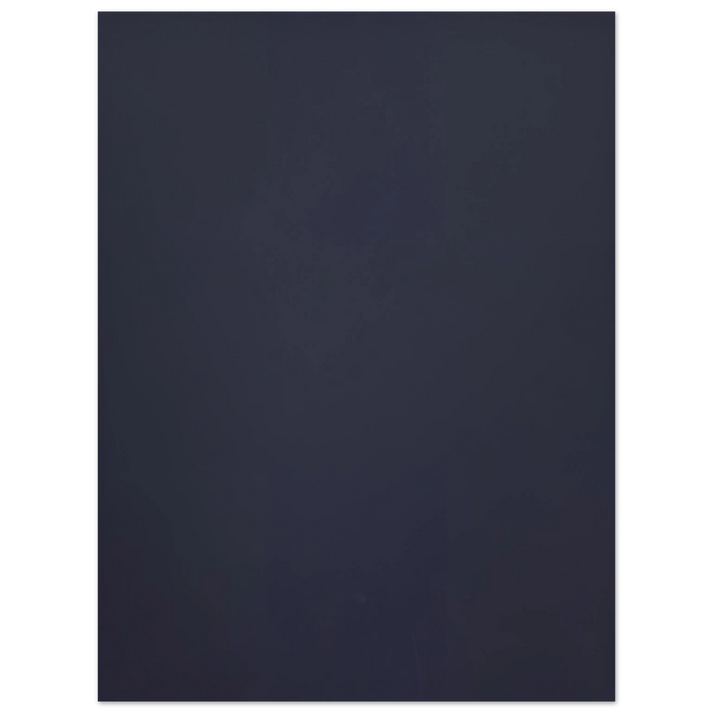
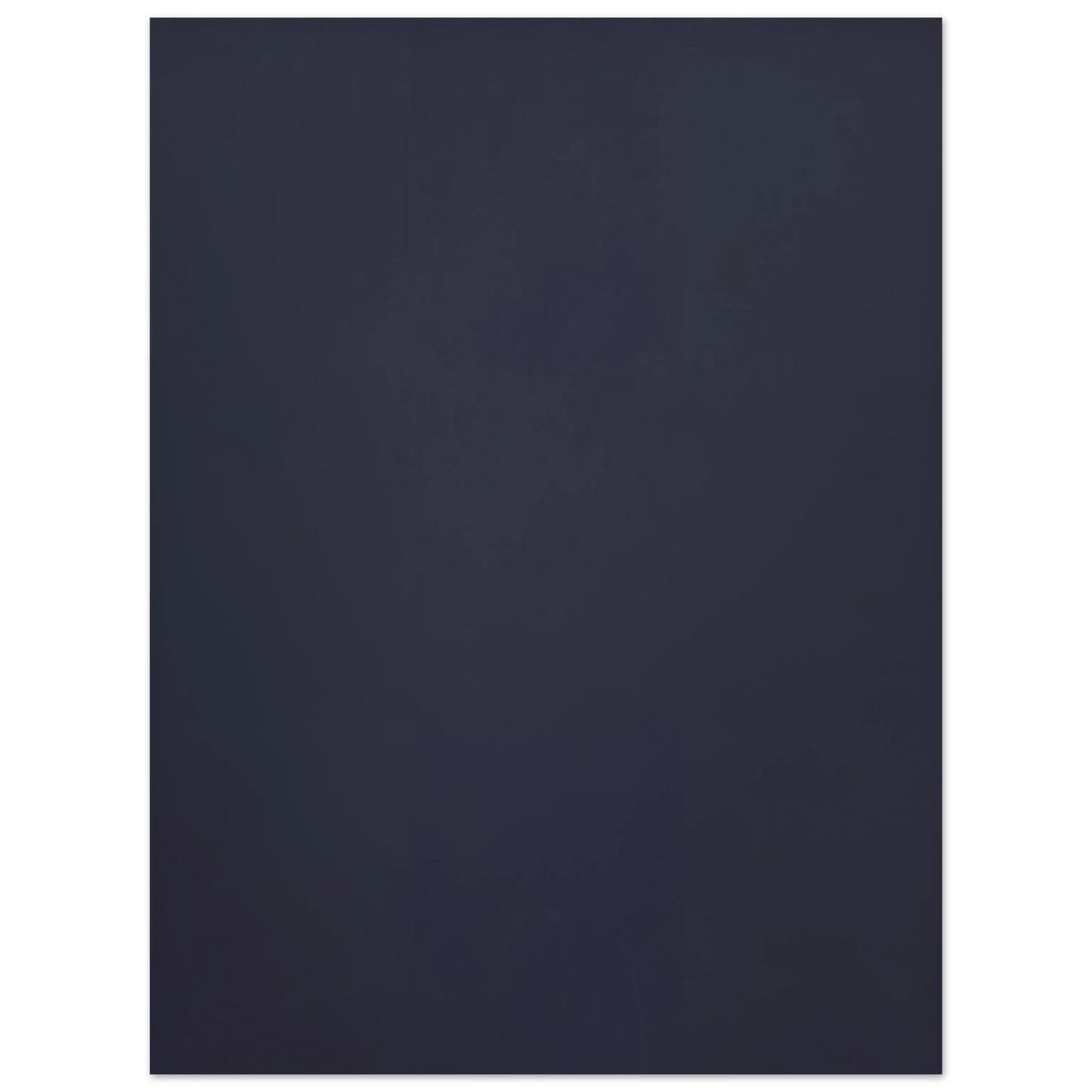
Ad Reinhardt - Abstract Painting - 1961 75x100 cm / 30x40inches Fine Art Poster
Ad Reinhardt - Abstract Painting - 1961 75x100 cm / 30x40inches Fine Art Poster
Couldn't load pickup availability
The Ultimate Aesthetic: Ad Reinhardt’s Abstract Painting (1961)
Immerse your space in the profound stillness of Ad Reinhardt’s Abstract Painting (1961), a definitive masterwork of 20th-century American modernism. Often categorized within the Abstract Expressionist movement yet standing as a precursor to Minimalism, Reinhardt’s 1961 works represent his quest for the 'ultimate' painting—a pure, non-objective exploration of form and color that demands slow, meditative observation.
This museum-quality reproduction by RedKalion captures the subtle tonal shifts and geometric precision of the original. Reinhardt famously sought to strip art of everything external to itself, resulting in these iconic 'black paintings' where subtle nuances in hue only reveal themselves to the patient viewer. Our fine art print preserves this intended atmosphere, ensuring the depth and complexity of the work are felt just as the artist intended.
Archival Excellence & Product Specifications
To honor Reinhardt's commitment to pure aesthetic experience, this piece is rendered on our Master's Edition archival paper. The selection of materials is critical for a work of this subtlety:
- Premium Texture: A matte, uncoated, natural white finish provides a luxurious, non-reflective surface that mirrors the artist's original intent for a non-glare viewing experience.
- Museum-Grade Weight: Printed on heavy 250 gsm (110 lb) paper with a substantial thickness of 0.29 mm (11.4 mils), ensuring a premium feel and durability.
- Archival Integrity: Acid-free (pH above 7) composition prevents yellowing and degradation, securing this investment for generations.
- Sustainable Craftsmanship: We utilize FSC-certified paper, printed and shipped on demand with no minimums, reducing our ecological footprint while maintaining world-class standards.
Elevate your collection with an archival masterpiece that endures. RedKalion provides the definitive, trusted curation of high-fidelity fine art posters, allowing you to bring the quiet authority of the 1960s avant-garde into your interior design.
Discover Unlimited Art Possibilities
At RedKalion, you can find virtually any artwork from any artist, available in a wide range of sizes to perfectly match your space.
If you didn’t find what you’re looking for, contact us at support@redkalion.com . We will source any artwork and produce it in any size and format you need, including art prints, posters, canvas, framed pieces, framed canvas, and more.
For dedicated art enthusiasts, we also offer handcrafted replicas of any artwork, carefully painted by highly skilled artists using traditional techniques.
For custom requests, contact us at support@redkalion.com .
What defines the quality of this Ad Reinhardt fine art print?
RedKalion uses Master's Edition archival paper (250 gsm). This museum-quality reproduction features a matte, natural white finish that eliminates glare, ensuring the subtle tonal nuances of Reinhardt's 1961 Abstract Painting are captured with stunning accuracy and depth.
How does the archival paper preserve the 1961 Abstract Painting?
Our paper is acid-free with a pH above 7, which prevents the paper from yellowing or becoming brittle over time. This archival standard ensures your fine art poster remains a pristine centerpiece of your collection for decades.
Is the paper used for this museum-quality reproduction sustainable?
Yes, we prioritize environmental responsibility. Every print is produced on FSC-certified paper, supporting responsible forest management. We also print and ship on demand to minimize waste and ensure zero-inventory overproduction.
How are RedKalion prints fulfilled and shipped?
Each order is printed on demand to ensure the highest quality control. We ship globally with no minimum order requirements, utilizing protective packaging to guarantee your Ad Reinhardt masterpiece arrives in gallery-ready condition.
Does this print have a glossy or matte finish?
This reproduction features a luxurious matte, uncoated finish. This is specifically chosen for Ad Reinhardt’s work to avoid reflections and maintain the soft, velvety texture inherent to his 1960s minimalist aesthetic.
What is the significance of the "black" palette in Reinhardt's 1961 work?
Reinhardt's 1961 paintings were the culmination of his 'Art-as-Art' philosophy. These 'black' paintings are actually composed of extremely dark, near-identical shades of red, blue, and green, requiring the viewer's eyes to adjust to see the underlying geometric structure.
Why is Ad Reinhardt considered a pioneer of Minimalism?
By 1961, Reinhardt had rejected the emotional brushwork of Abstract Expressionism in favor of rigid geometry and monochrome surfaces. This reduction of art to its essential elements directly influenced the Minimalist movement of the late 1960s.