RedKalion
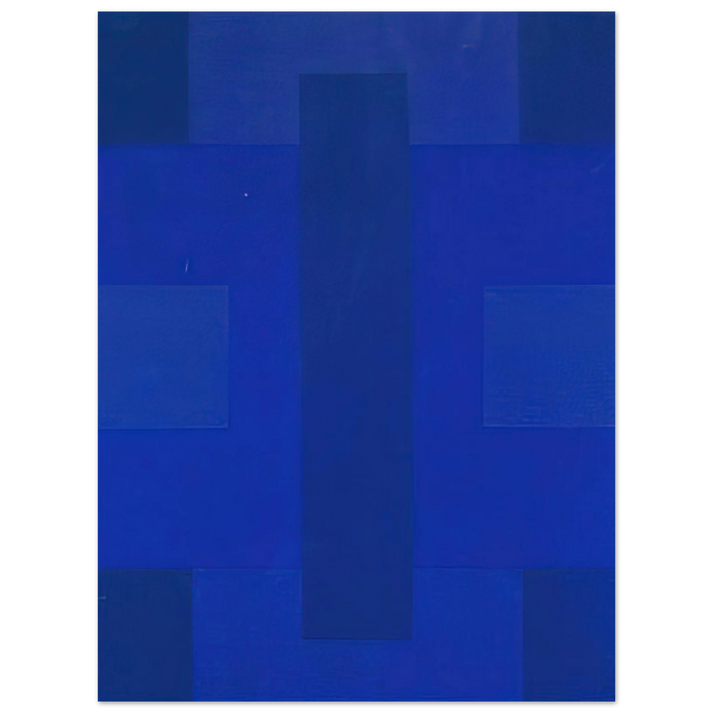
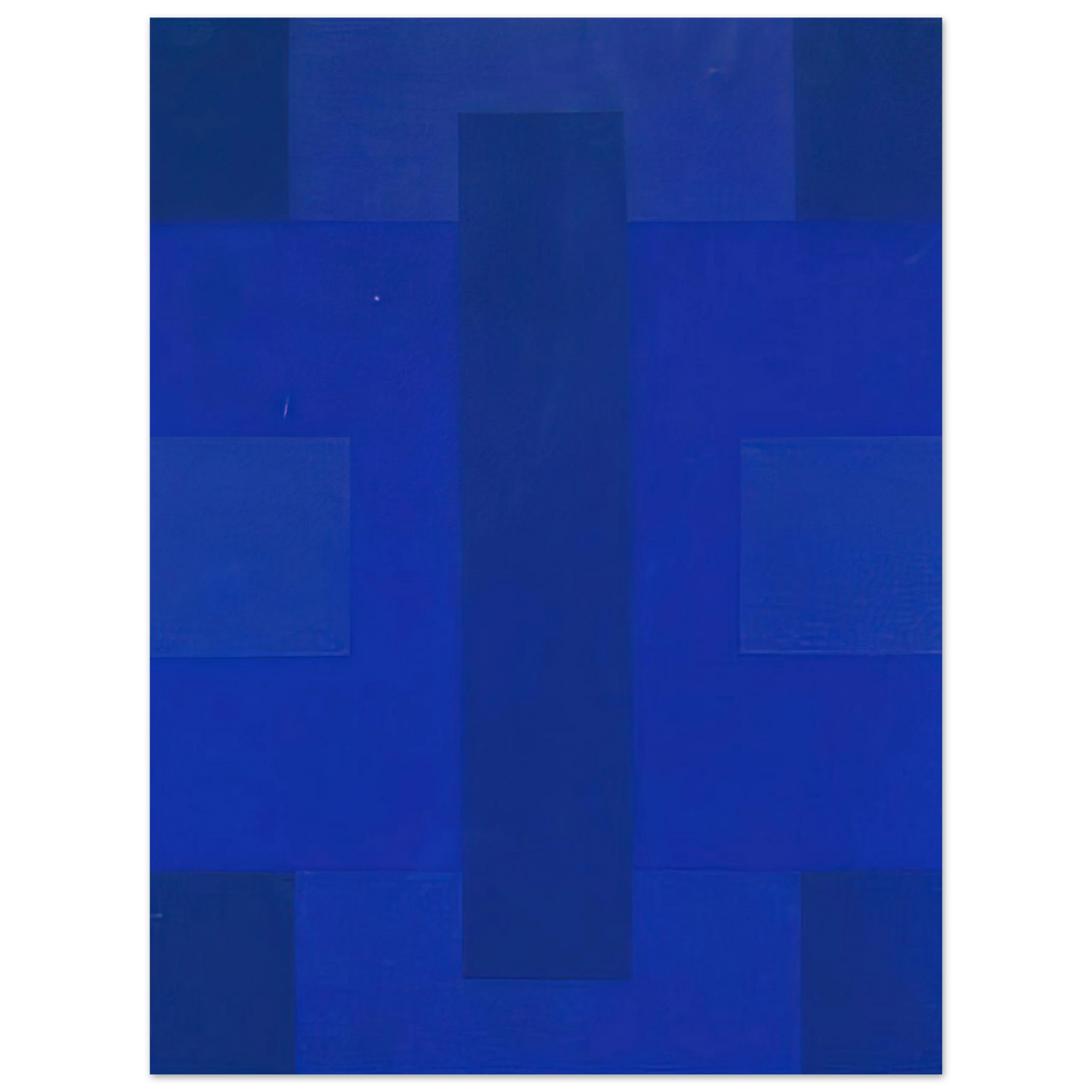
Ad Reinhardt - Blue Painting - 1953 75x100 cm / 30x40inches Fine Art Poster
Ad Reinhardt - Blue Painting - 1953 75x100 cm / 30x40inches Fine Art Poster
Couldn't load pickup availability
Experience the Meditative Depth of Ad Reinhardt’s Blue Painting (1953)
Step into the profound stillness of the mid-century avant-garde with this exquisite museum-quality reproduction of Ad Reinhardt’s "Blue Painting" (1953). As a definitive pioneer of Minimalism and a master of the monochromatic form, Reinhardt sought to strip art of everything extraneous, leaving only the pure, rhythmic interaction of color and light. This 75x100 cm (30x40 inches) fine art poster captures the subtle tonal shifts and architectural precision that define his radical approach to abstraction.
A Masterpiece of Abstract Minimalist History
In 1953, Ad Reinhardt was moving toward what he famously called the "ultimate painting." Unlike the gestural brushwork of his Abstract Expressionist contemporaries, his "Blue Painting" series emphasizes a structured, geometric composition where variations of blue—ranging from deep indigo to ethereal cobalt—vibrate against one another. This piece serves as a critical precursor to his later black paintings, representing a moment where the artist achieved a sublime balance between logic and meditative emotion. It is a work designed not just for viewing, but for deep contemplation.
Museum-Grade Excellence by RedKalion
At RedKalion, we curate archival masterpieces that endure. This reproduction is meticulously crafted on Master's Edition archival paper, ensuring the intricate nuances of Reinhardt's palette are preserved with absolute fidelity. The matte, uncoated finish provides a natural white, luxurious texture that eliminates glare, allowing you to appreciate the depth of the monochromatic layers from any angle in your space.
- Premium Weight: 250 gsm (110 lb) for a heavy, professional feel.
- Archival Longevity: Acid-free paper (pH above 7) to prevent yellowing and maintain integrity for decades.
- Sustainability: Printed on FSC-certified paper, supporting responsible forestry.
- Physical Texture: A thickness of 0.29 mm (11.4 mils) ensures a robust, high-end gallery presence.
By choosing this RedKalion print, you are elevating your environment with a piece of art history, fulfilled on demand to the highest standards of the global fine art market.
Discover Unlimited Art Possibilities
At RedKalion, you can find virtually any artwork from any artist, available in a wide range of sizes to perfectly match your space.
If you didn’t find what you’re looking for, contact us at support@redkalion.com . We will source any artwork and produce it in any size and format you need, including art prints, posters, canvas, framed pieces, framed canvas, and more.
For dedicated art enthusiasts, we also offer handcrafted replicas of any artwork, carefully painted by highly skilled artists using traditional techniques.
For custom requests, contact us at support@redkalion.com .
What makes the Master's Edition paper special for this Ad Reinhardt print?
We use 250 gsm (110 lb) Master's Edition paper, which is a museum-quality, natural white substrate. Its luxurious matte finish and uncoated texture provide an authentic gallery feel without distracting reflections.
Is this Ad Reinhardt reproduction archival-grade?
Yes. The paper is acid-free with a pH above 7, which prevents yellowing and ensures the deep blues of Reinhardt's 1953 masterpiece remain vibrant for generations.
How is the "Blue Painting" (1953) shipped to ensure safety?
Every order is printed on demand and shipped in protective, reinforced packaging designed to prevent creases or damage, ensuring your fine art poster arrives in pristine condition.
What is the significance of the matte finish on this fine art poster?
The matte, uncoated finish is essential for minimalist works. It ensures that the subtle shifts in blue tones are visible without glare, maintaining the artwork's intended meditative quality.
Does RedKalion use sustainable materials for its prints?
Absolutely. We prioritize the planet by using FSC-certified paper, which guarantees that the materials meet the highest environmental and social standards in the industry.
What was Ad Reinhardt's philosophy behind the "Blue Painting" series?
Reinhardt championed "art-as-art," believing that painting should be pure and self-referential. His blue series explored the boundaries of perception through nearly indistinguishable monochromatic shades.
Why is the 1953 period significant in Ad Reinhardt's career?
1953 was a pivotal year where Reinhardt moved away from multi-colored abstraction toward the monochromatic grids that would eventually lead to his legendary, final "black paintings."