RedKalion
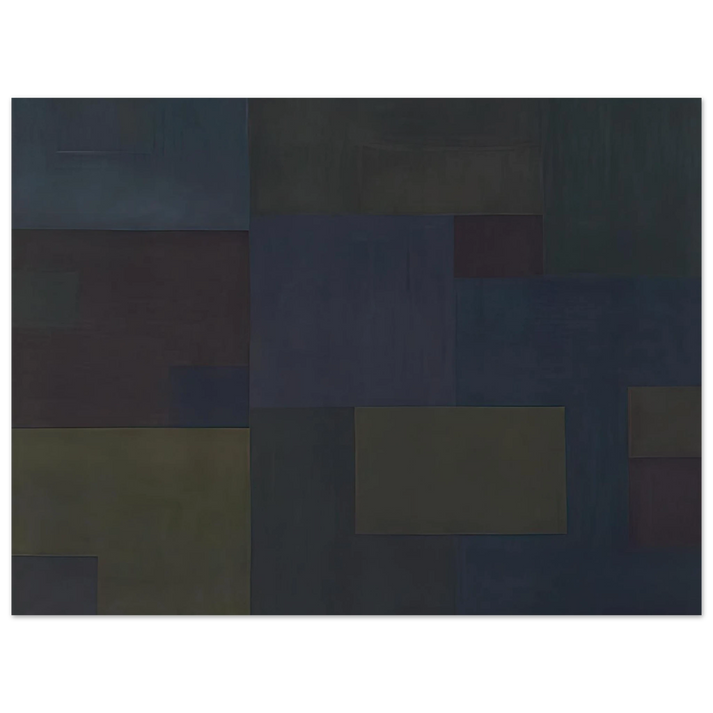
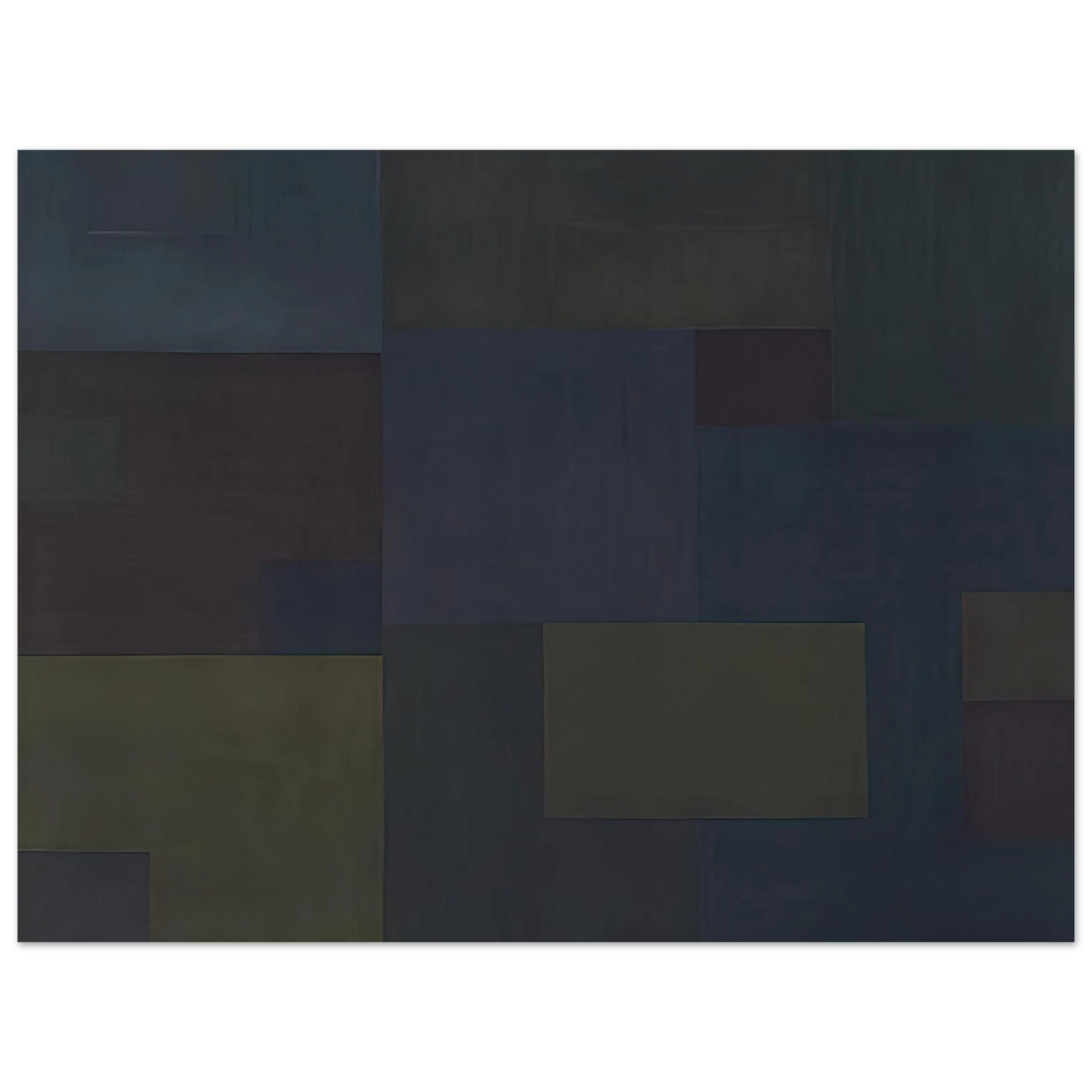
Ad Reinhardt - Number 17 - 1953 75x100 cm / 30x40inches Fine Art Poster
Ad Reinhardt - Number 17 - 1953 75x100 cm / 30x40inches Fine Art Poster
Couldn't load pickup availability
Elevate Your Space with Ad Reinhardt's Meditative Masterpiece
Experience the profound stillness of Ad Reinhardt’s "Number 17" (1953), a seminal work from a titan of Abstract Expressionism and a precursor to Minimalism. This museum-quality fine art print captures the subtle, interlocking geometry and the chromatic nuances that defined Reinhardt's quest for "art-as-art." By stripping away narrative and external reference, Reinhardt invites the viewer into a state of pure visual contemplation.
The Philosophy of Precision
In 1953, Reinhardt was refining his signature style, moving toward the monochromatic depth that would define his later career. Number 17 is a masterclass in balance and restrained color theory. Our reproduction honors this legacy, ensuring that the delicate shifts in tone and the architectural integrity of the grid are preserved with absolute fidelity. It is not merely a poster; it is a window into the evolution of modern abstraction.
RedKalion’s Museum-Grade Standard
At RedKalion, we believe a masterpiece deserves a medium that matches its brilliance. This Ad Reinhardt reproduction is printed on our exclusive Master's Edition archival paper. With a substantial weight of 250 gsm (110 lb) and a thickness of 0.29 mm (11.4 mils), this paper offers a tactile, premium feel that sets it apart from standard prints.
- Archival Longevity: Acid-free (pH above 7) chemistry prevents yellowing, ensuring your investment remains as vibrant as the day it was printed.
- Sophisticated Finish: A luxurious matte, uncoated, natural white (off-white) finish minimizes glare and emphasizes the depth of Reinhardt’s palette.
- Sustainability: Printed on FSC-certified paper, aligning artistic beauty with environmental responsibility.
- On-Demand Quality: Each piece is meticulously printed and shipped on demand, ensuring your print arrives in pristine condition without unnecessary waste.
Adorn your walls with a piece of art history. This archival-grade reproduction of Number 17 is designed to endure for generations, transforming any room into a gallery of sophisticated modernism.
Discover Unlimited Art Possibilities
At RedKalion, you can find virtually any artwork from any artist, available in a wide range of sizes to perfectly match your space.
If you didn’t find what you’re looking for, contact us at support@redkalion.com . We will source any artwork and produce it in any size and format you need, including art prints, posters, canvas, framed pieces, framed canvas, and more.
For dedicated art enthusiasts, we also offer handcrafted replicas of any artwork, carefully painted by highly skilled artists using traditional techniques.
For custom requests, contact us at support@redkalion.com .
What is the quality of the paper used for this Ad Reinhardt print?
We use Master's Edition archival paper. It is 250 gsm (110 lb) with a 0.29 mm thickness, providing a heavy, museum-quality feel that ensures the fine art print remains flat and durable over time.
How does RedKalion ensure the longevity of the artwork?
Our prints are produced on acid-free paper with a pH above 7. This archival standard prevents the paper from yellowing or deteriorating, preserving the integrity of Ad Reinhardt's color palette for decades.
Is the paper used for Number 17 sustainably sourced?
Yes, all our reproductions are printed on FSC-certified paper (or equivalent regional certifications), ensuring that your art piece supports responsible forest management and environmental sustainability.
How is the "Number 17" print shipped?
RedKalion utilizes a print-on-demand fulfillment model with no minimum orders. Each print is carefully packaged in protective materials to ensure it arrives at your door in gallery-ready condition.
What finish does the "Number 17" fine art poster have?
This print features a matte, uncoated, natural white finish. This luxurious texture eliminates distracting reflections while highlighting the subtle tonal shifts and geometric precision of the 1953 composition.
What was Ad Reinhardt's philosophy behind "Number 17"?
Reinhardt championed "art-as-art," believing that painting should be pure and detached from emotion or nature. Number 17 reflects this through its symmetrical grid and disciplined use of closely related colors.
Why is 1953 considered a pivotal year for Ad Reinhardt?
In 1953, Reinhardt was transitioning toward his iconic "black paintings." Works like Number 17 showcase his move toward radical abstraction, focusing on the meditative power of subtle chromatic differences within structured layouts.