RedKalion
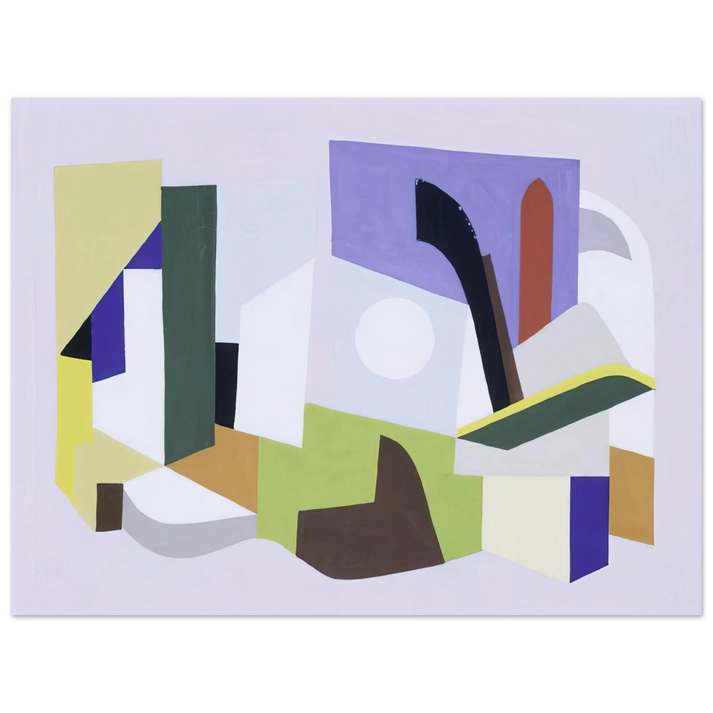
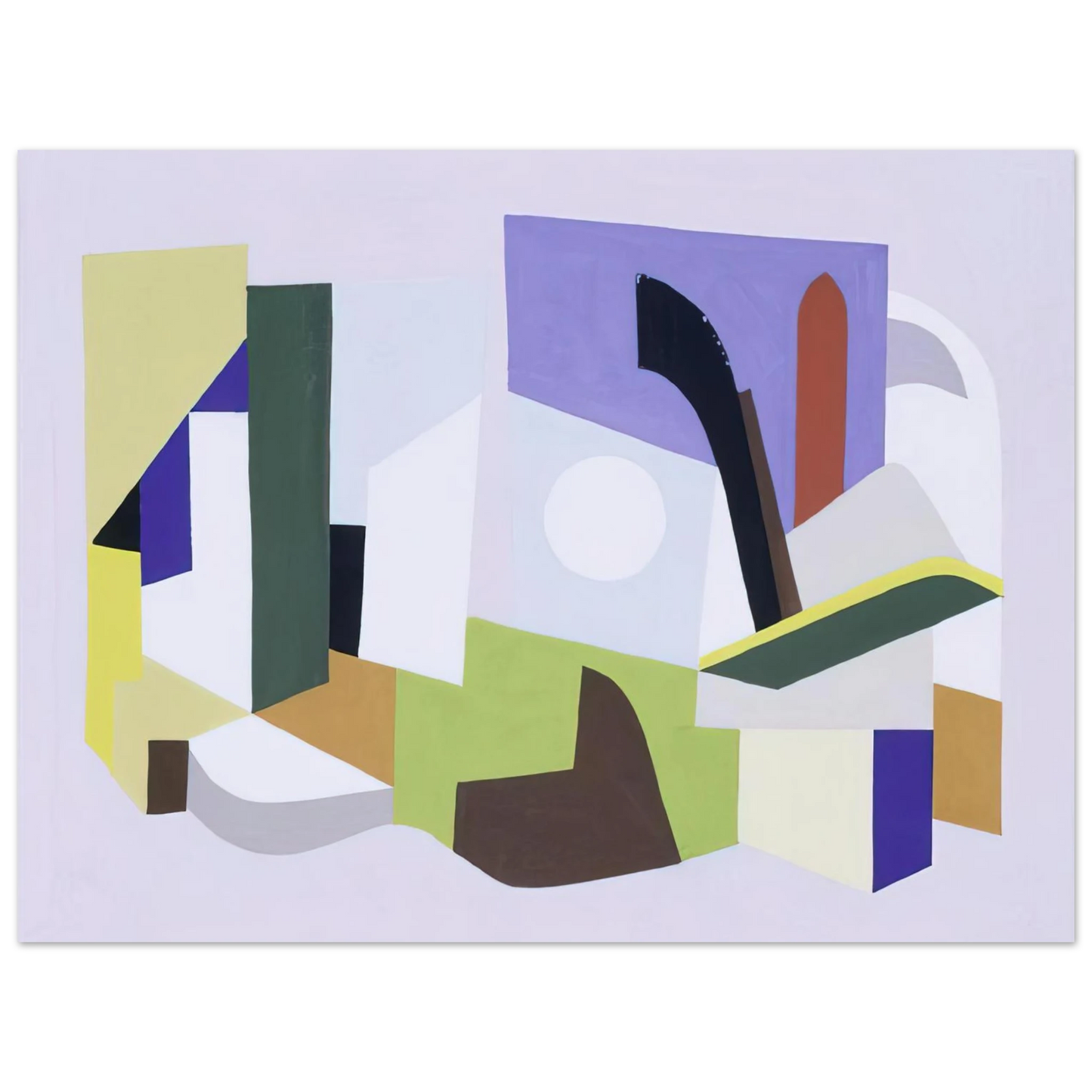
Ad Reinhardt - Untitled N.Y. World's Fair - 1939 75x100 cm / 30x40inches Fine Art Poster
Ad Reinhardt - Untitled N.Y. World's Fair - 1939 75x100 cm / 30x40inches Fine Art Poster
Couldn't load pickup availability
Elevate Your Space with Ad Reinhardt's Modernist Vision
Step into the geometric precision of the late 1930s with this exquisite museum-quality reproduction of Ad Reinhardt’s 'Untitled (N.Y. World's Fair)' (1939). As a pioneer of abstract purism and a precursor to the Minimalism movement, Reinhardt’s work from this era reflects the vibrant, forward-looking optimism of the 'World of Tomorrow' exhibition. This piece captures a sophisticated intersection of hard-edge geometry and rhythmic composition, typical of his early involvement with the American Abstract Artists group.
Museum-Grade Materiality
At RedKalion, we believe a masterpiece deserves an equally masterful canvas. This 75x100 cm (30x40 inches) fine art print is produced on our Master's Edition archival paper. With a robust weight of 250 gsm (110 lb) and a thickness of 0.29 mm, the paper offers a luxurious, substantial feel that mirrors the gravity of the original work. The natural white (off-white) base provides a warm, sophisticated background that allows Reinhardt’s colors and shapes to resonate without the clinical glare of bright white papers.
An Archival Masterpiece for the Discerning Collector
Longevity is at the heart of our curation. This reproduction is printed on acid-free paper (pH above 7), ensuring that your investment is protected against the yellowing and degradation that affects lesser prints. The matte, uncoated finish eliminates distracting reflections, allowing the viewer to appreciate the subtle textures and compositional depth from any angle in the room. This is more than a poster; it is a meticulously crafted artifact designed to endure for generations.
Sustainably Sourced, Expertly Fulfilled
RedKalion is committed to ethical excellence. Our paper is FSC-certified, ensuring that your passion for art supports responsible forestry. Each print is produced on-demand and shipped with the utmost care, ensuring it arrives in pristine condition, ready to transform your interior into a gallery-inspired sanctuary.
Discover Unlimited Art Possibilities
At RedKalion, you can find virtually any artwork from any artist, available in a wide range of sizes to perfectly match your space.
If you didn’t find what you’re looking for, contact us at support@redkalion.com . We will source any artwork and produce it in any size and format you need, including art prints, posters, canvas, framed pieces, framed canvas, and more.
For dedicated art enthusiasts, we also offer handcrafted replicas of any artwork, carefully painted by highly skilled artists using traditional techniques.
For custom requests, contact us at support@redkalion.com .
What are the dimensions and specifications of this Ad Reinhardt print?
This fine art print measures 75x100 cm (30x40 inches). It is printed on 250 gsm Master's Edition archival paper with a thickness of 0.29 mm, providing a premium, museum-quality feel.
What type of paper finish is used for this reproduction?
We use a luxurious matte, uncoated finish on a natural white (off-white) base. This ensures a glare-free viewing experience and a rich, tactile texture that highlights the artwork's details.
How long will this print last without fading or yellowing?
The print is archival-grade and acid-free (pH above 7). This museum-quality standard prevents yellowing and ensures the colors remain vibrant for decades under standard indoor lighting.
Is the paper used for the print environmentally friendly?
Yes, we use FSC-certified paper (Forest Stewardship Council), which guarantees that the materials are sourced from responsibly managed forests that provide environmental, social, and economic benefits.
How is the print fulfilled and shipped?
RedKalion prints and ships each order on demand with no minimums. Your Ad Reinhardt masterpiece is handled with expert care and shipped in secure packaging to ensure it arrives in perfect condition.
What is the historical significance of the 1939 N.Y. World's Fair in this piece?
The 1939 World's Fair, themed 'The World of Tomorrow,' influenced Reinhardt's early abstract style. This piece reflects the era's fascination with structural progress, geometry, and the utopian potential of Modernism.
How does this 1939 work compare to Ad Reinhardt’s later 'Black Paintings'?
While his later work focused on near-monochromatic black canvases, this 1939 piece showcases his early mastery of geometric abstraction and color balance before he transitioned toward total Minimalism and purism.