

RedKalion
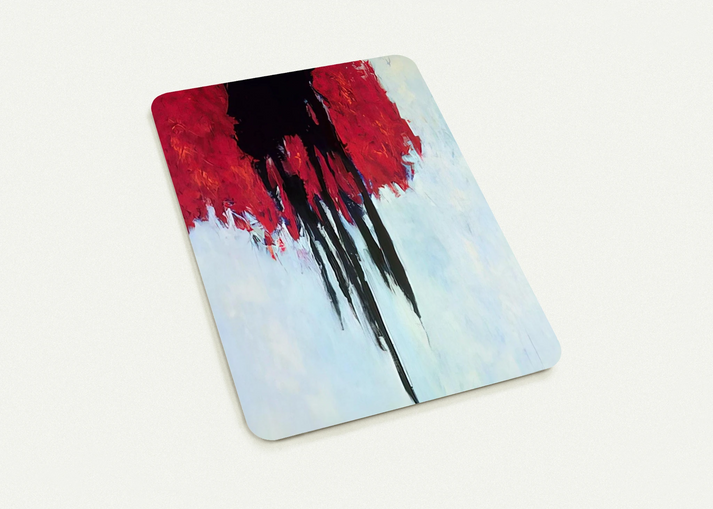
Adam - 1961 By Theodoros Stamos Pack of 10 Post Cards | Theodoros Stamos Post Cards | A6 (10.5 x 14.8 cm) - 4.1 x 5.8 inches
Adam - 1961 By Theodoros Stamos Pack of 10 Post Cards | Theodoros Stamos Post Cards | A6 (10.5 x 14.8 cm) - 4.1 x 5.8 inches
Couldn't load pickup availability
The Ethereal Abstraction of Theodoros Stamos
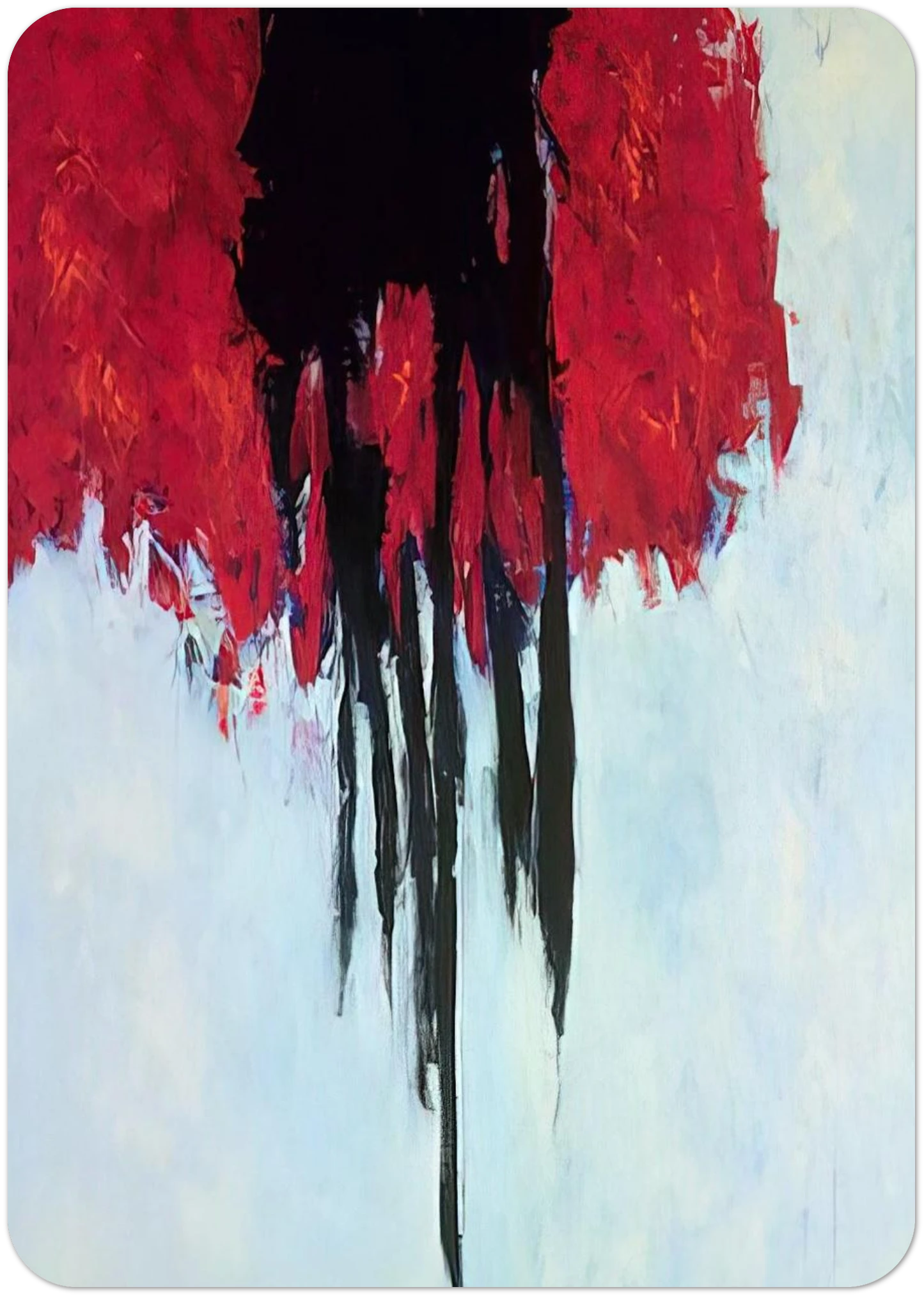
Elevate your personal correspondence with this exquisite set of fine art postcards featuring Theodoros Stamos's 'Adam - 1961'. As a primary figure in the first generation of Abstract Expressionists, Stamos infused the New York School with a unique, biomorphic lyricism. 'Adam' captures a pivotal moment in his career, where organic forms meet the expansive color fields that defined mid-century modernism. This curated pack of 10 postcards allows you to share a piece of art history that resonates with primal energy and sophisticated restraint.
Museum-Quality Reproductions by RedKalion
At RedKalion, we believe that art should be experienced in its most authentic form, even in a smaller format. These A6 postcards are not mere stationery; they are museum-quality reproductions crafted with the same precision as our full-sized gallery prints. Utilizing advanced 12-color fine art printing technology, we achieve a depth of color and vibrancy that standard 4-color commercial prints simply cannot replicate. The subtle nuances of Stamos's palette are preserved with archival integrity, ensuring each card is a tactile and visual masterpiece.
- Exceptional Color Depth: Our 12-color process delivers vivid, accurate tones and stunning clarity.
- Premium Paper Stock: Printed on heavy 200 gsm (80 lb) paper with a thickness of 0.26 mm for a substantial, luxurious feel.
- Sophisticated Finish: A smooth matte finish ensures a clean, glare-free display and a perfect surface for writing.
- Eco-Conscious Curation: All cards are printed on FSC-certified paper, reflecting our commitment to environmental sustainability.
- Perfectly Proportioned: Sized at A6 (10.5 x 14.8 cm / 4.1 x 5.8 inches), ideal for framing or mailing.
By choosing RedKalion, you are investing in an archival-grade product that honors the legacy of Theodoros Stamos while maintaining the highest standards of modern sustainable craftsmanship.


Discover Unlimited Art Possibilities
At RedKalion, you can find virtually any artwork from any artist, available in a wide range of sizes to perfectly match your space.
If you didn’t find what you’re looking for, contact us at support@redkalion.com . We will source any artwork and produce it in any size and format you need, including art prints, posters, canvas, framed pieces, framed canvas, and more.
For dedicated art enthusiasts, we also offer handcrafted replicas of any artwork, carefully painted by highly skilled artists using traditional techniques.
For custom requests, contact us at support@redkalion.com .
What printing technology is used for these Stamos postcards?
We utilize state-of-the-art 12-color fine art printing technology. This allows for significantly greater color vibrancy and tonal depth compared to standard 4-color inkjet processes, ensuring the Stamos reproduction remains faithful to the original masterpiece.
What are the weight and finish of the paper?
Each card is printed on premium 200 gsm (80 lb) paper with a 0.26 mm thickness. The smooth matte finish provides a sophisticated, glare-free aesthetic and a high-quality tactile experience for both the sender and the recipient.
Are these fine art postcards eco-friendly?
Yes. RedKalion is committed to sustainability. Our postcards are printed on demand to reduce waste and utilize FSC-certified paper, ensuring the materials are sourced from responsibly managed forests.
How are the postcard packs shipped to ensure protection?
Your pack of 10 postcards is carefully packaged in protective materials to prevent bending or moisture damage during transit, ensuring they arrive at your door in pristine, gallery-ready condition.
Will the colors on these prints fade over time?
Our postcards are designed for archival longevity. The combination of high-grade pigments and acid-free matte paper ensures that the vibrant colors of Stamos's 'Adam' remain lightfast and beautiful for years to come.
What movement does Theodoros Stamos's 'Adam - 1961' belong to?
Theodoros Stamos was a key member of the Abstract Expressionist movement, specifically the New York School. 'Adam - 1961' reflects his transition into more expansive, painterly abstractions often categorized under biomorphic or color field painting.
What inspired Stamos's use of form in 'Adam'?
Stamos was deeply inspired by nature, mythology, and the 'inner vision' of things. In 'Adam,' the organic shapes and earthy tones suggest a primal or genesis-like theme, rendered through the expressive freedom of mid-century abstraction.