RedKalion
Adam - Barnett Newman Acrylic Print - 70x100 cm / 28x40″ inches
Adam - Barnett Newman Acrylic Print - 70x100 cm / 28x40″ inches
Couldn't load pickup availability
Barnett Newman’s 'Adam': A Genesis of Color and Space
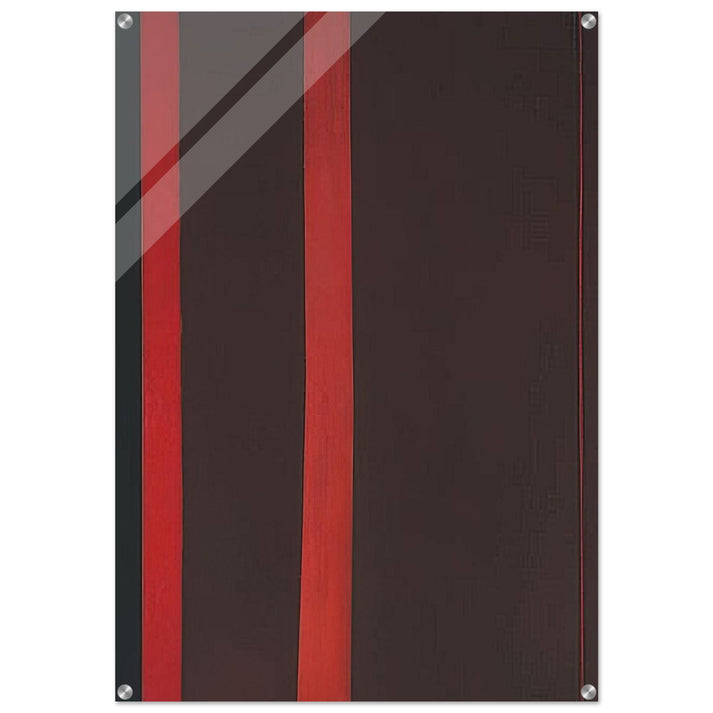
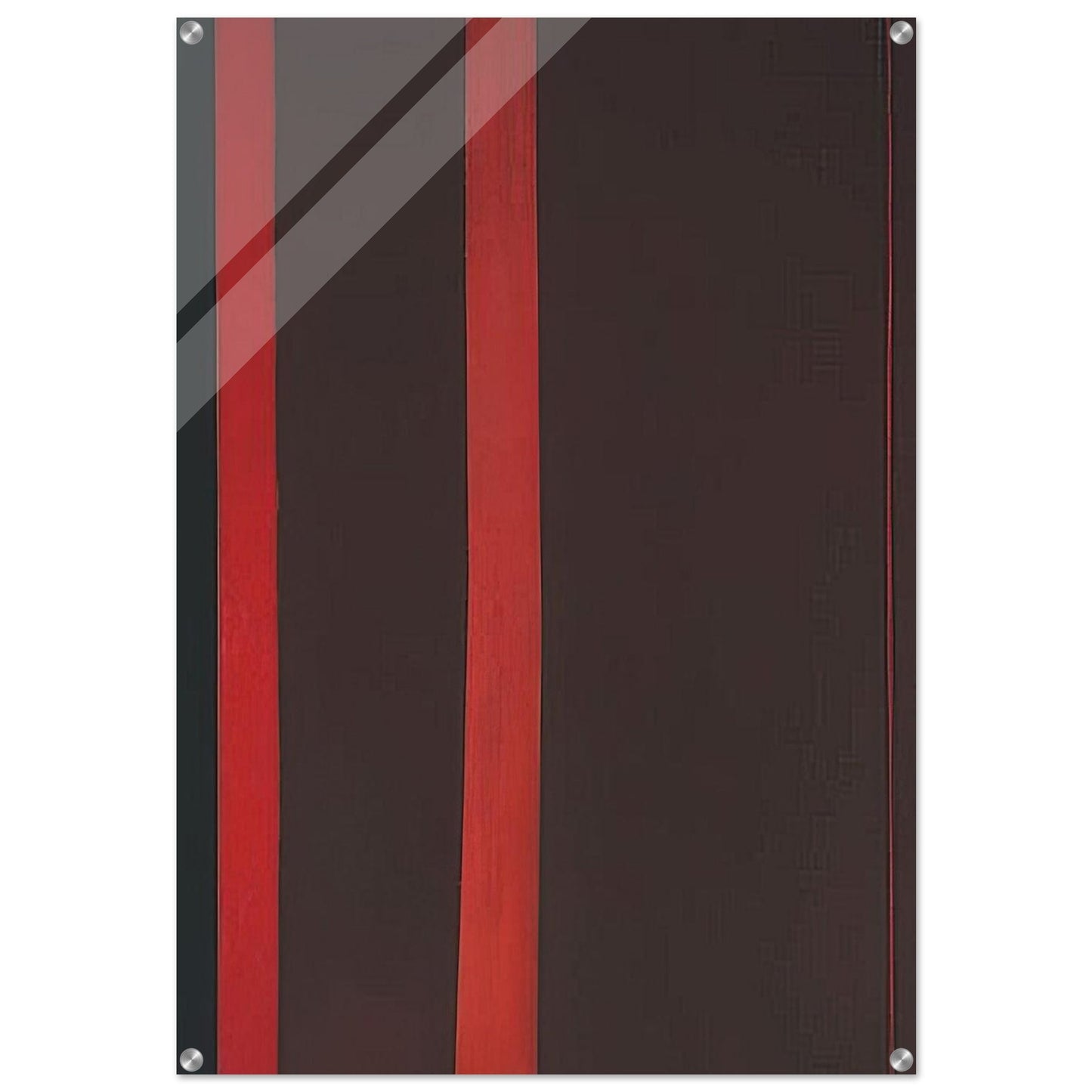
Experience the profound resonance of Barnett Newman’s Adam, a foundational masterpiece of Abstract Expressionism. This museum-quality reproduction captures the spiritual and spatial tension that Newman pioneered through his signature "zips"—those vertical bands that define the canvas and invite the viewer into a deep, meditative encounter. Our archival-grade acrylic print brings the original's monumental presence to your personal space, ensuring that the rich, emotive palette remains as vibrant as the day it was conceived.
The Art of the 'Zip'
Barnett Newman was not merely painting shapes; he was painting concepts of creation and human existence. In Adam, the vertical stripes serve as a primary mark of presence, representing the first man and the dawn of consciousness. By utilizing modern printing technology on 4mm (0.15") acrylic, RedKalion enhances the depth and luminosity of these colors, providing a sleek, contemporary finish that echoes the precision of Newman’s original intent. This 70x100 cm (28x40″) edition allows for an immersive experience, typical of the Color Field movement.
Museum-Quality Craftsmanship
RedKalion is dedicated to curating world-class reproductions that endure. This fine art print features straight-cut corners for a modern aesthetic and is printed on a durable acrylic substrate that offers superior clarity and UV protection. To ensure a seamless installation, each piece includes a premium hanging kit with screws and pre-drilled holes (14mm from the edge) for a secure, floating effect. Elevate your interior with a piece of art history that balances mid-century intellectualism with high-end manufacturing.
Discover Unlimited Art Possibilities
At RedKalion, you can find virtually any artwork from any artist, available in a wide range of sizes to perfectly match your space.
If you didn’t find what you’re looking for, contact us at support@redkalion.com . We will source any artwork and produce it in any size and format you need, including art prints, posters, canvas, framed pieces, framed canvas, and more.
For dedicated art enthusiasts, we also offer handcrafted replicas of any artwork, carefully painted by highly skilled artists using traditional techniques.
For custom requests, contact us at support@redkalion.com .
What is the quality of the print material?
Our Barnett Newman 'Adam' print is crafted on 4mm acrylic, providing a sleek, vibrant, and durable finish that protects the artwork while enhancing color depth and clarity.
How do I mount the acrylic print?
The print includes a complete hanging kit with screws. It features 8mm diameter holes positioned 14mm from each corner, designed for a secure and sophisticated installation.
Is the print protected against fading?
Yes, our archival-grade acrylic prints are designed for longevity. The material offers natural UV resistance, ensuring the rich tones of 'Adam' remain vibrant for decades without fading.
What are the shipping and handling details?
Each order is meticulously packaged in protective layers to prevent scratches. We use trusted carriers to ensure your museum-quality reproduction arrives in pristine condition at your doorstep.
Does the transparent background affect the image?
For optimal presentation, any transparent areas in the design default to a white background, ensuring the 'Adam' composition retains its intended visual impact and color accuracy.
What is the significance of the 'zip' in Newman's work?
The 'zip' is Newman's signature vertical line that defines the spatial structure of the canvas, symbolizing human presence and the act of creation within a void.
When was the original 'Adam' painted?
Barnett Newman painted the original 'Adam' between 1951 and 1952. It stands as a pivotal example of his mature style within the Abstract Expressionist movement.