RedKalion
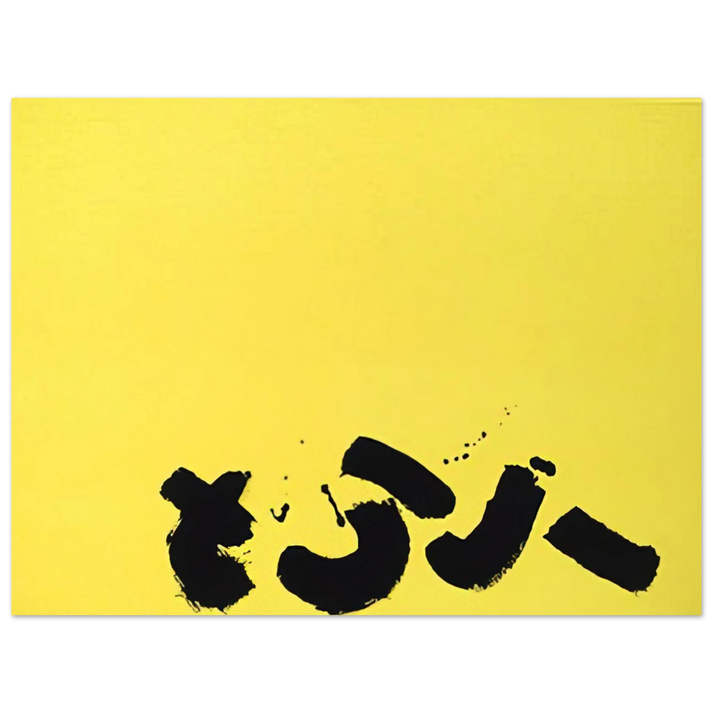
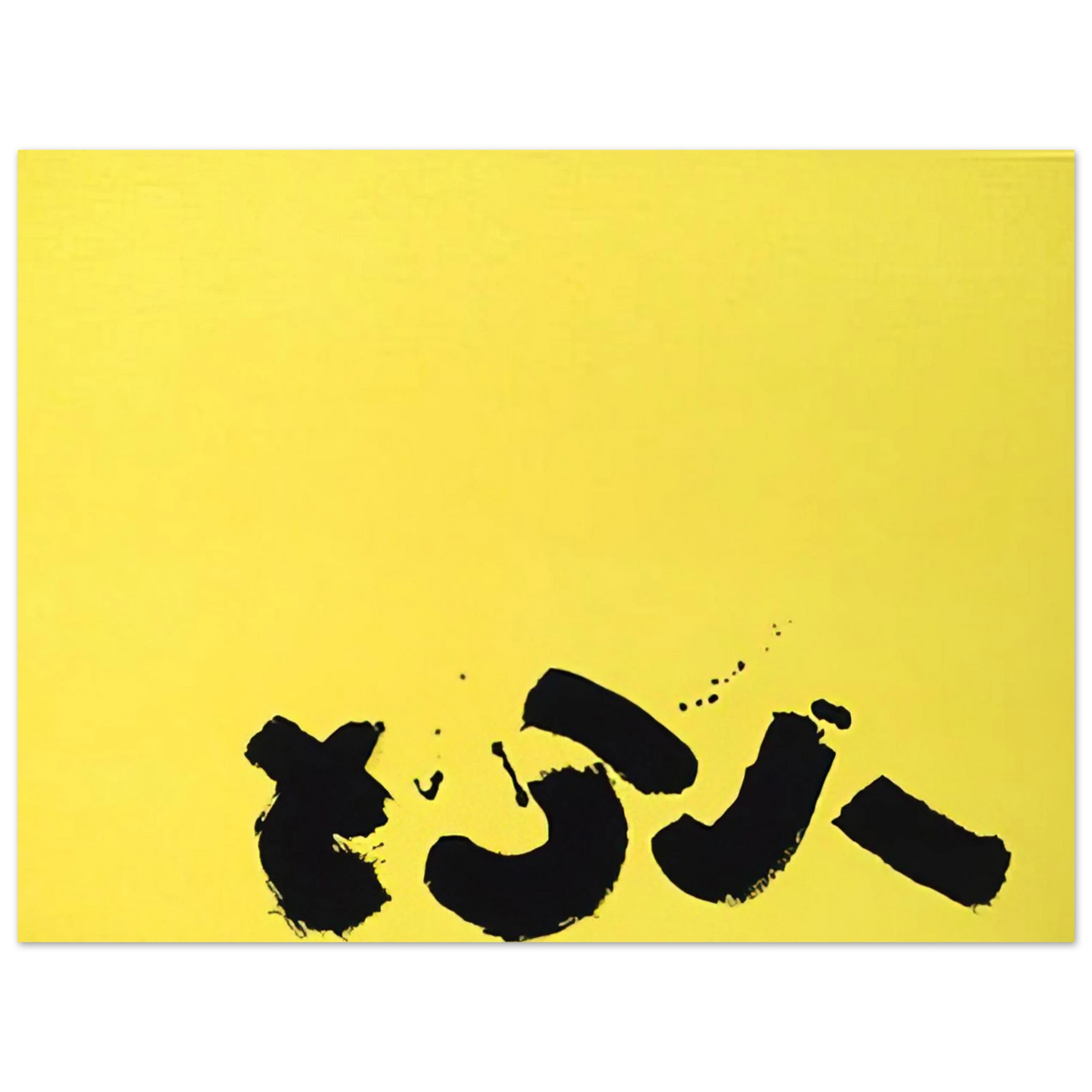
Adolph Gottlieb - Signs - 1967 75x100 cm / 30x40inches Fine Art Poster
Adolph Gottlieb - Signs - 1967 75x100 cm / 30x40inches Fine Art Poster
Couldn't load pickup availability
Adolph Gottlieb: A Mastery of Modernist Symbols
Experience the profound visual language of Adolph Gottlieb’s Signs (1967), a definitive work from one of the titans of Abstract Expressionism. This 1967 masterpiece captures Gottlieb’s lifelong fascination with universal symbols and the dualities of existence. By this stage in his career, Gottlieb had refined his aesthetic into a powerful, minimalist dialogue between form and void, creating a piece that is as emotionally resonant as it is intellectually stimulating.
Museum-Quality Execution for the Discerning Collector
At RedKalion, we believe that an artwork of this historical significance deserves a medium that matches its stature. Our fine art print of Signs is produced on Master's Edition archival paper. This premium, off-white paper provides a luxurious, natural white finish that avoids the glare of standard posters, allowing the subtle nuances of Gottlieb's palette to take center stage.
- Weight & Durability: At 250 gsm (110 lb), the paper offers a robust, substantial feel.
- Archival Integrity: Acid-free (pH above 7) ensures your investment is protected against yellowing for generations.
- Sustainable Luxury: Our paper is FSC-certified, supporting responsible forest management.
- Exquisite Texture: The matte, uncoated finish provides a sophisticated, tactile depth.
The Historical Context of 'Signs'
By 1967, Gottlieb was a celebrated member of 'The Irascibles,' having moved beyond his earlier 'Pictographs' into a more expansive, atmospheric style. Signs represents a synthesis of his career—blending the gestural energy of his 'Bursts' with the structured serenity of his 'Imaginary Landscapes.' This museum-quality reproduction invites a sense of contemplative balance into your space, serving as a testament to the enduring power of American Modernism.
Discover Unlimited Art Possibilities
At RedKalion, you can find virtually any artwork from any artist, available in a wide range of sizes to perfectly match your space.
If you didn’t find what you’re looking for, contact us at support@redkalion.com . We will source any artwork and produce it in any size and format you need, including art prints, posters, canvas, framed pieces, framed canvas, and more.
For dedicated art enthusiasts, we also offer handcrafted replicas of any artwork, carefully painted by highly skilled artists using traditional techniques.
For custom requests, contact us at support@redkalion.com .
What are the archival qualities of this Adolph Gottlieb print?
Our prints use Master's Edition archival paper that is acid-free with a pH above 7. This prevents yellowing and degradation, ensuring the 'Signs' reproduction retains its museum-quality brilliance for decades.
Is the paper used for Signs (1967) sustainably sourced?
Yes, RedKalion uses FSC-certified paper for all fine art prints. This ensures that the premium 250 gsm paper used for your Adolph Gottlieb poster supports environmentally responsible and socially beneficial forestry.
How is the print shipped to ensure it arrives safely?
Each print is produced on demand and shipped in robust, protective packaging specifically designed for fine art. We fulfill orders with no minimums, ensuring a bespoke experience from the gallery to your doorstep.
Does this reproduction capture the texture of Gottlieb's original work?
While it is a flat print, the 0.29 mm thick, uncoated matte finish mimics the sophisticated look of original gallery works, providing a luxurious depth that highlights Gottlieb's symbolic gestures without distracting glare.
Will the colors of this fine art poster fade over time?
No, the combination of archival-grade paper and acid-free composition is specifically designed for longevity. This prevents the chemical breakdown that causes fading in standard commercial prints.
What is the significance of the year 1967 in Gottlieb's career?
By 1967, Gottlieb was at the height of his international fame. This period saw him refining his iconic symbols into more minimalist and atmospheric compositions, focusing on the tension between different visual elements.
What does the title 'Signs' represent in this composition?
Gottlieb believed in a 'universal language.' The title 'Signs' refers to his use of abstract shapes that evoke ancient pictographs or celestial bodies, meant to communicate subconscious emotions without relying on literal representation.