RedKalion
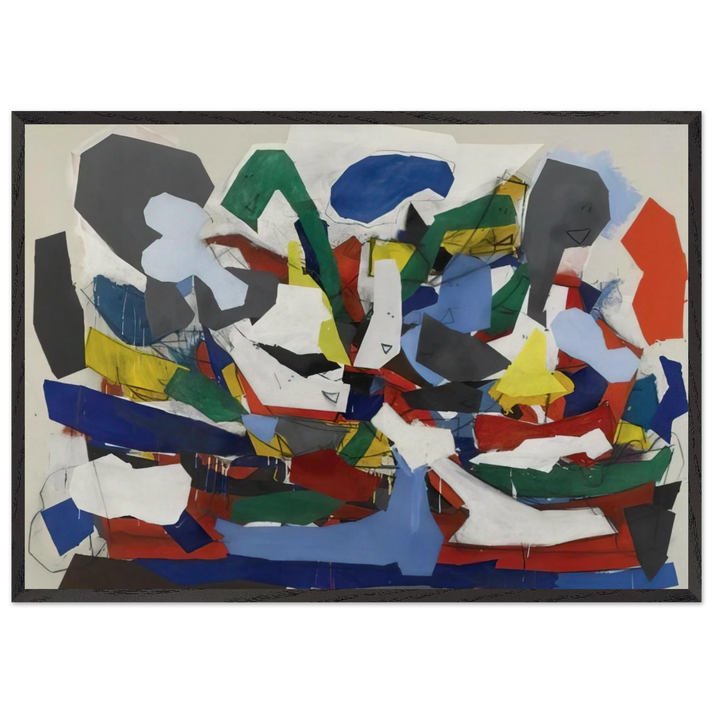
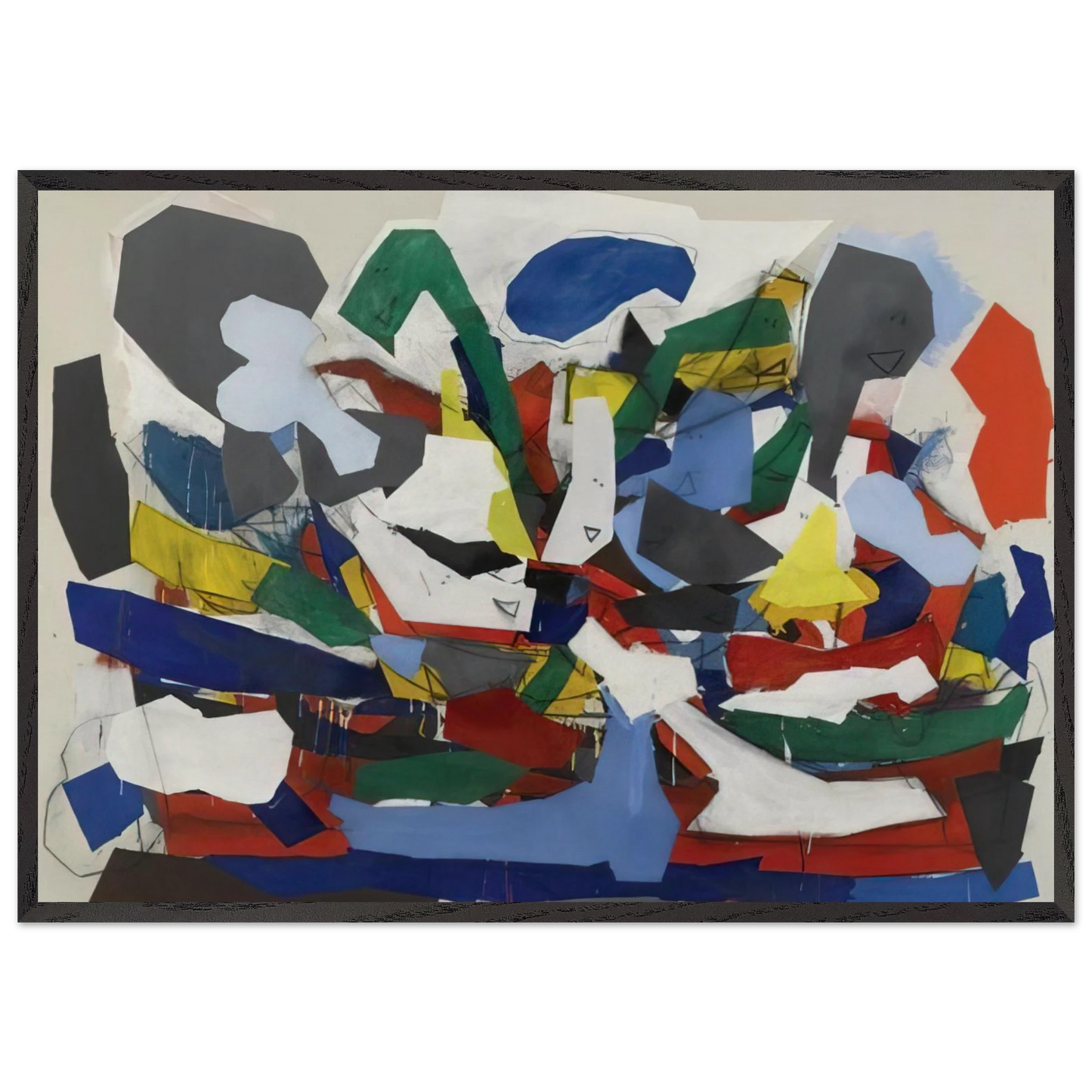
Adventure II - 1963 - Robert Goodnough 70x100 cm / 28x40 inches Framed Art Print – Black Wooden Frame
Adventure II - 1963 - Robert Goodnough 70x100 cm / 28x40 inches Framed Art Print – Black Wooden Frame
Couldn't load pickup availability
Embrace Abstract Dynamism with Robert Goodnough’s Adventure II (1963)
Experience the rhythmic vitality of Adventure II, a seminal 1963 masterpiece by Robert Goodnough. As a central figure in the second generation of the New York School, Goodnough bridged the gap between the raw energy of Abstract Expressionism and the disciplined structure of Color Field painting. This fine art print captures the artist's signature 'cluster' technique, where shard-like geometric forms dance across the canvas, creating a sense of controlled explosion and lyrical movement.
Museum-Quality Execution for the Discerning Collector
At RedKalion, we believe a 1960s masterpiece deserves a presentation of equal caliber. Our museum-quality reproduction is meticulously printed on 250 gsm (110 lb) archival, natural white paper. This heavy-weight, matte, and uncoated paper ensures the subtle nuances of Goodnough’s palette are rendered with absolute fidelity, free from glare, and designed to endure for generations without yellowing.
Sophisticated Framing and Sustainable Luxury
This framed art print is encased in a premium black wooden frame, crafted from responsibly sourced oak and ash. Measuring 20mm (0.79") in both width and thickness, our frames provide a substantial, gallery-grade presence that surpasses standard retail offerings. Every piece is protected by shatterproof plexiglass, ensuring your investment remains pristine while maintaining the visual clarity of the original work.
- Artist: Robert Goodnough (1917–2010)
- Title: Adventure II (1963)
- Paper: 250 gsm archival museum-quality, natural white
- Frame: Sustainably sourced black wood, 20mm profile
- Ready-to-hang: Includes a professional hanging kit for immediate installation
Elevate your interior with an archival masterpiece that encapsulates the adventurous spirit of mid-century American abstraction. This is not merely a print; it is a curated window into the evolution of modern art.
Discover Unlimited Art Possibilities
At RedKalion, you can find virtually any artwork from any artist, available in a wide range of sizes to perfectly match your space.
If you didn’t find what you’re looking for, contact us at support@redkalion.com . We will source any artwork and produce it in any size and format you need, including art prints, posters, canvas, framed pieces, framed canvas, and more.
For dedicated art enthusiasts, we also offer handcrafted replicas of any artwork, carefully painted by highly skilled artists using traditional techniques.
For custom requests, contact us at support@redkalion.com .
What materials are used for this Robert Goodnough fine art print?
We use 250 gsm (110 lb) natural white, matte, uncoated paper. This archival-grade material is FSC-certified, ensuring the highest standards of longevity and environmental responsibility for your museum-quality reproduction.
What are the specifications of the black wooden frame?
The frame is made from responsibly sourced oak and ash, finished in an elegant black. It features a 20mm (0.79") thickness and width, offering a more robust and premium profile than standard 14mm frames.
Is the Adventure II print ready to hang upon arrival?
Yes. Your framed art print arrives fully assembled and includes a professional hanging kit. It is designed to be hung directly on your wall the moment it is unpacked.
How is the artwork protected during shipping and display?
Each print is protected by high-quality shatterproof plexiglass, which offers superior safety and durability compared to glass. We use secure packaging to ensure your piece arrives in perfect condition.
How long will the print last without fading?
Our prints are produced on archival-quality paper using lightfast inks. When kept out of direct sunlight, these materials are designed to resist fading and yellowing for decades, preserving the artist's original vision.
What is the historical significance of Adventure II (1963)?
Adventure II represents Robert Goodnough's transition toward a more structured abstraction. By 1963, his work evolved from chaotic brushwork into sophisticated clusters of shapes, reflecting a balance between spontaneous energy and formal discipline.
Why is Robert Goodnough considered a master of American abstraction?
Goodnough was a key member of the second-generation New York School. His ability to synthesize the 'all-over' composition of Pollock with a unique, collage-like geometric precision earned him a permanent place in the history of modern art.